

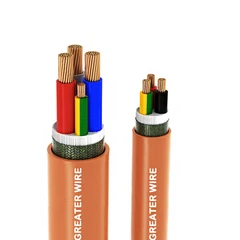

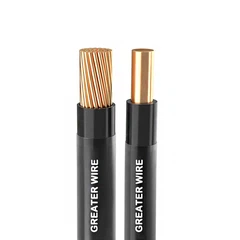
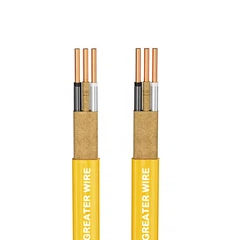



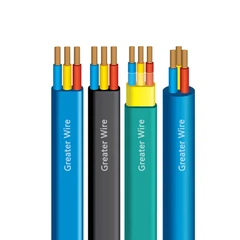
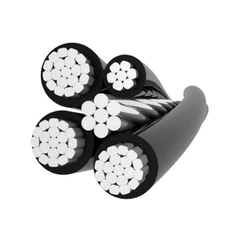
TPS cables, or Thermoplastic Sheathed Cables, are widely used in electrical installations due to their durability, flexibility, and safety features. These cables are designed to provide a secure and efficient means of transferring electrical current in various environments. While TPS cables come in different sizes, types, and colors, each variation has specific uses depending on the application. One of the lesser-discussed variations is the purple TPS cable. In this article, we will explore what purple TPS cables are used for, their
characteristics, and how they compare to other types of TPS cables such as flat TPS cables and other TPS electrical cables.
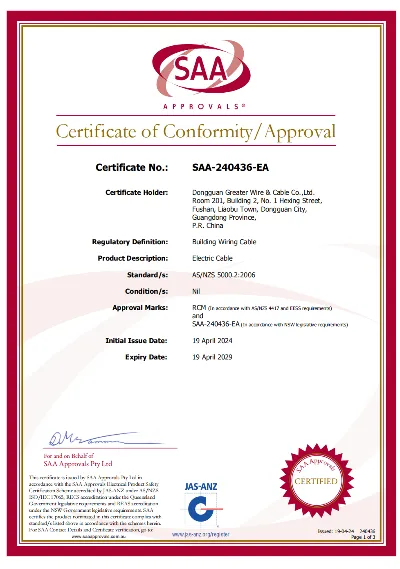


1. Understanding TPS Cable
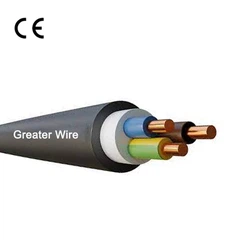
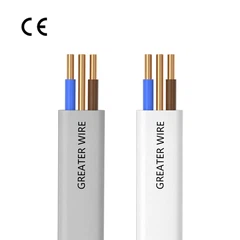
To understand the specific applications of purple TPS cables, it's important first to have a basic understanding of TPS cables in general. A TPS cable is a type of electrical cable that consists of copper or aluminum conductors surrounded by a layer of insulating material and an outer sheath made from thermoplastic material (usually PVC). The insulation provides protection from electrical shorts, while the outer sheath protects the cable from environmental factors such as moisture, mechanical damage, and UV exposure.
1.1 Components of TPS Cable
Conductors: The central conductors of TPS cables are typically made of copper or aluminum. Copper is commonly used because of its excellent electrical conductivity, while aluminum offers a lighter alternative with slightly reduced conductivity.
Insulation: The insulation around each conductor is made of thermoplastic materials, usually PVC. This insulation prevents short circuits and keeps the electrical current within the conductor, ensuring the safety of the installation.
Sheath: The outer sheath of the cable is made from thermoplastic PVC, which provides mechanical protection, resistance to moisture, and protection from UV radiation. The sheath also offers additional insulation to prevent accidental contact with live wires.
While TPS cables are often color-coded to indicate specific uses, the purple TPS cable is a less common but still essential variation. It may not be widely discussed, but it serves a range of practical purposes in specific applications.
2. Characteristics of Purple TPS Cable
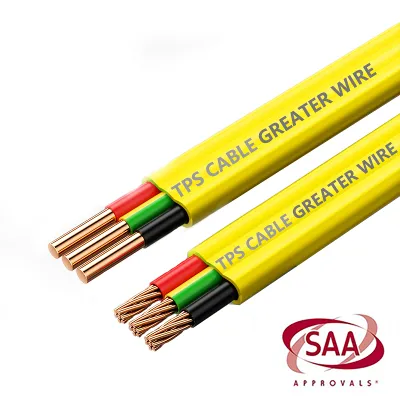
Purple TPS cables are essentially similar to other TPS electrical cables, except for their distinct color. The color coding of electrical cables plays an important role in identifying the purpose of the cable. Colors such as black, red, green, and blue are often used for standard electrical circuits, while colors like purple may indicate a particular function or be used in specialized installations.
Purple TPS cables typically have the same characteristics as other TPS cables, such as:
Current-Carrying Capacity: Like other TPS electrical cables, purple TPS cables can carry electrical currents depending on the size of the conductor (e.g., 1.5mm², 2.5mm², 6mm², etc.). The current-carrying capacity is a crucial specification to consider when selecting the right cable for a specific task.
Voltage Rating: Most TPS cables, including purple ones, are rated for low-voltage applications, typically up to 600/1000V, which is standard for most residential, commercial, and industrial uses.
Flexibility and Durability: Purple TPS cables are designed to be flexible, allowing easy installation even in tight spaces. Their thermoplastic insulation provides durability against physical damage, moisture, and chemical exposure, making them suitable for a wide range of environments.
The purple color of the cable, however, is the defining feature that distinguishes it from other types. In the next section, we will delve into some of the common uses for purple TPS cables.
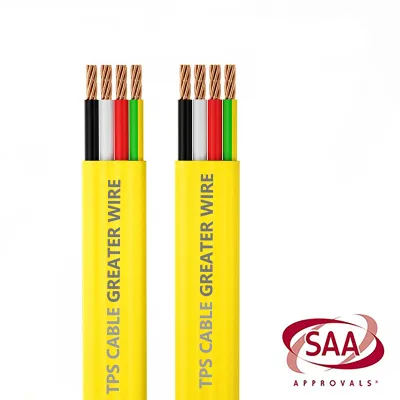
3. Applications of Purple TPS Cable
Purple TPS cables are used in specific applications that require color coding for identification. The color code ensures that electricians, installers, and maintenance personnel can easily distinguish between various types of cables and their intended uses. While the purple TPS cable is not as common as other colors, it is used in certain applications where unique identification is necessary.
3.1 Identification of Special Circuits
In many countries, electrical wiring codes and standards require the use of different colors for different circuits. Purple TPS cables are often used for specific circuits that need to be easily identifiable. For example:
Fire Alarm Circuits: One of the most common uses of purple TPS cables is in fire alarm systems. In installations where multiple electrical circuits are present, the purple cable can be used to identify circuits related to fire alarms or emergency warning systems. This ensures that the correct wiring is in place for critical safety systems.
Emergency Lighting Systems: Similar to fire alarm circuits, purple TPS cables are sometimes used for emergency lighting circuits. In case of a power failure, emergency lighting circuits need to be powered quickly and efficiently. Using a purple TPS cable helps workers identify these circuits during maintenance or troubleshooting.
Control Circuits for Specific Equipment: In industrial or commercial environments, purple TPS cables may be used for wiring control circuits that manage specific equipment, such as safety systems, monitoring devices, or automatic shutdown systems. The color coding helps electricians and engineers quickly locate and isolate these circuits for repair or maintenance.
3.2 High-Voltage Applications
While purple TPS cables are commonly used in low-voltage circuits, there are instances where they may be used in higher voltage applications. Purple-colored cables may be chosen for specific high-voltage power supply systems, where color coding helps prevent confusion with other types of cables that may carry lower voltages.
In these cases, purple TPS cables offer the same safety and durability features as other TPS electrical cables, including insulation that protects the cable from electrical faults and external factors such as moisture, abrasion, and heat. The distinct purple color helps differentiate these cables from others, ensuring proper installation and maintenance.
3.3 Specialty and Custom Wiring
In some cases, purple TPS cables are used in specialty applications, including custom electrical systems. This can include custom wiring solutions for specific industries, where color coding is required to meet certain operational or safety standards. Some potential specialty applications include:
Medical Equipment Wiring: In medical environments, color-coded cables are often used to ensure that different systems and equipment are easily distinguishable. Purple TPS cables may be used in medical equipment installations, particularly for systems where reliable, durable wiring is essential for patient safety.
Automotive and RV Applications: In the automotive and RV industries, color-coded TPS cables are often used for specific wiring systems within vehicles. Purple TPS cables might be used in specialized control circuits or safety systems within RVs, boats, or even custom vehicles.
3.4 Solar Power Systems
With the growing adoption of solar power, purple TPS cables may be used in certain aspects of solar power installations. For example, they could be employed for wiring between solar panels, inverters, or battery storage systems. In these installations, the use of purple cables may be intended to indicate a specific circuit type or function, such as power distribution, control circuits, or connection between different parts of the system.
3.5 Residential and Commercial Electrical Installations
In residential or commercial electrical installations, purple TPS cables are less commonly used but may appear in certain installations where there are specialized circuits that need to be clearly identified. This could include circuits for outdoor lighting, fence lighting, or garden lighting that require unique identification. Purple TPS cables can also be used in multi-phase power systems to differentiate certain circuits from the rest.

4. Benefits of Using Purple TPS Cable
There are several reasons why the purple TPS cable might be chosen for certain applications. These benefits include:
4.1 Clear Identification
The primary benefit of using purple TPS cables is the ability to quickly and easily identify specific circuits. Color coding provides an efficient way to distinguish between different types of wiring, ensuring proper installation, troubleshooting, and maintenance. This is especially useful in complex electrical systems where multiple circuits are present.
4.2 Safety
Using color-coded TPS cables helps to prevent confusion during installation and maintenance. By using purple cables for certain applications, electricians can ensure that safety systems, fire alarms, and emergency circuits are easily identifiable and properly wired. This enhances the overall safety of the installation.
4.3 Compliance with Electrical Codes
In many regions, electrical installations are governed by specific color-coding standards to ensure consistency and safety. Using purple TPS cables in accordance with these standards helps ensure compliance with local codes and regulations, which can prevent costly mistakes and ensure the safety of the building and its occupants.
4.4 Durability and Protection
Like all TPS cables, purple TPS cables are designed to be highly durable. The thermoplastic insulation provides protection against mechanical damage, moisture, and environmental factors, ensuring long-lasting and reliable performance in both residential and industrial environments.