



What Is TC-ER Cable and Where Is It Used?
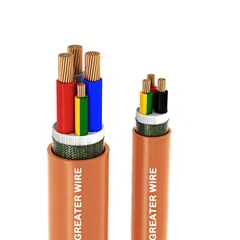
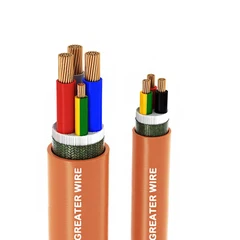
TC-ER cable is a type of Tray Cable used in industrial power and control circuits, including qualifying exposed runs between cable trays and the equipment they serve. "TC" stands for Tray Cable, while "ER" means Exposed Run. However, the designation does not permit unrestricted open installation. The cable must meet the applicable product requirements, and the installation must comply with the electrical code adopted for the project.
For electrical distributors, OEM manufacturers, contractors, and industrial procurement teams, selecting the right TC-ER cable involves more than choosing a conductor size. Voltage, conductor count, insulation and jacket materials, environmental ratings, and compliance requirements all need to be considered.


What Does TC-ER Mean?
Tray Cable (TC)
Tray Cable is designed for use in approved cable-tray installations and is commonly used in industrial power, control, and related circuits. UL 1277 is an important product standard for many Type TC cables used in the North American market.
Exposed Run (ER)
The ER designation identifies cable types permitted for certain exposed runs under applicable requirements. It does not mean that a cable can be installed openly anywhere without regard to support, physical protection, or other installation rules.
In the United States, the applicable edition of the National Electrical Code (NEC), including relevant requirements in Article 336, should be checked for the intended installation. Direct burial and other specialized applications require separate verification; an ER marking alone does not establish suitability for every installation method.
Where Is TC-ER Cable Used?
TC-ER cable is commonly considered for industrial installations such as:
Manufacturing facilities: Power and control connections for production equipment and machinery.
Cable-tray systems: Routing circuits through suitable tray installations in industrial buildings.
Motors and pumps: Connecting qualifying circuits between tray systems and equipment.
Control panels and field devices: Carrying control signals and power where the selected cable's electrical and installation ratings are appropriate.
Industrial equipment installations: Supporting wiring layouts that benefit from a suitable multi-conductor cable construction.
The correct application depends on the complete cable specification and the installation conditions. Before specifying a cable for an exposed run, confirm that the particular product is identified for the intended use and that the proposed routing and support comply with the applicable code.
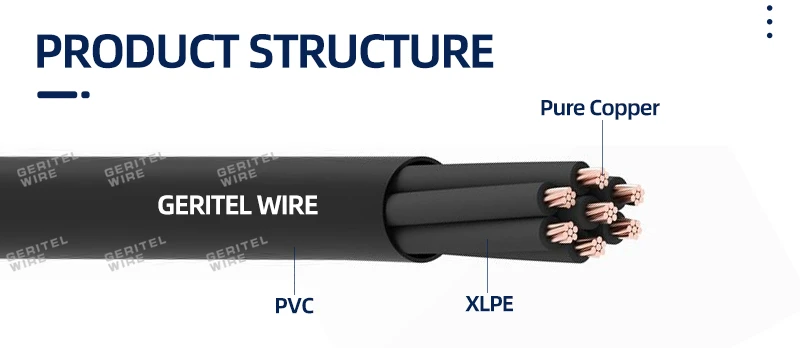
How Is TC-ER Cable Constructed?
TC-ER cable construction varies by product. Buyers should review the full datasheet rather than assume that all cables with the same designation have identical materials or performance ratings.
Conductors and Wire Size
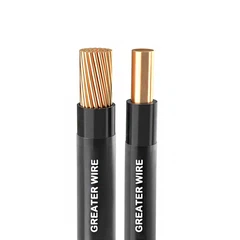
Copper is commonly used for TC-ER conductors, although conductor material and stranding depend on the product. The required conductor size should be selected according to the circuit load, applicable ampacity rules, voltage drop, terminal temperature limitations, and installation conditions.
When evaluating 12 AWG Tray Cable, do not use wire size alone to determine whether the cable is suitable. The number of loaded conductors, ambient temperature, installation method, and other applicable correction factors may affect the allowable current.
Insulation and Outer Jacket
Insulation and jacket materials vary across product lines. Depending on the design, manufacturers may use materials such as PVC-based compounds, cross-linked polyethylene (XLPE), ethylene propylene rubber (EPR), or other specified compounds.
The material name alone does not establish the finished cable's temperature rating, oil resistance, sunlight resistance, or suitability for a particular environment. Confirm the ratings and markings on the exact product datasheet.
Conductor Count, Grounding, and Shielding
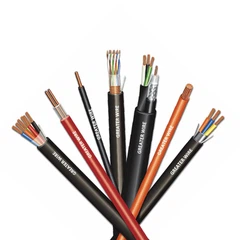
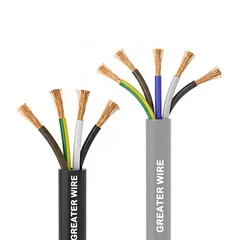
A Multi Conductor Tray Cable may contain several insulated conductors, and some constructions also include a grounding conductor, fillers, or shielding. The required configuration depends on the circuit design and project specifications.
An Unshielded Tray Cable may be appropriate when shielding is not required by the circuit or project. Where electromagnetic interference is a concern, assess the equipment, signal type, routing, and system requirements before deciding whether a shielded construction is needed.

What Standards and Ratings Should Buyers Check?
Product Standards and Installation Codes
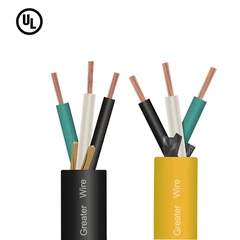
For North American projects, UL 1277 is a key standard associated with many Type TC products. Installation requirements are addressed by the applicable electrical code, such as the NEC in the United States. Product certification and installation compliance are related but separate checks.
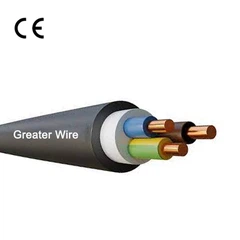
Do not assume that UL, CSA, IEC, and AS/NZS requirements are interchangeable. Confirm the standards and approvals required in the target market and verify that the specific cable is documented for the intended application.
Voltage and Temperature Ratings
Many TC-ER products are rated at 600 V, but the rating must be verified for the selected model. Temperature ratings can also vary by product and by condition, such as dry or wet locations. Use the manufacturer's datasheet and applicable certification information rather than relying on a general rating for the cable category.
Sunlight, Oil, and Other Environmental Conditions
For outdoor or industrial environments, verify the relevant markings and ratings individually:
Sunlight Resistant Tray Cable: Confirm that the product is identified as sunlight resistant when the installation requires it.
Oil Resistant Tray Cable: Check the specified oil-resistance rating and its applicability to the expected exposure.
Direct burial: Confirm that the particular cable is specifically identified or approved for direct burial where required.
Do not infer any of these properties solely from jacket appearance or material descriptions. Also consider moisture, temperature, abrasion, chemicals, and potential physical damage where relevant.
TC-ER vs. Other Wiring Options
| Cable or wiring option | Typical consideration | What to verify |
|---|---|---|
| Type TC without ER designation | Suitable cable-tray applications | Whether the intended exposed run is permitted for that specific cable and installation |
| Type TC-ER | Cable-tray installations and qualifying exposed runs | Product markings, installation method, support, and physical protection requirements |
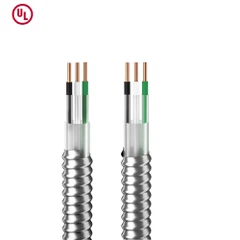
| Metal-clad (MC) cable | Applications where a metal-clad construction is specified | Applicable product listing, wiring rules, environment, and project requirements |
| Individual conductors in conduit | Installations using a raceway system | Conductor ratings, conduit design, fill, protection, and applicable code requirements |
These options are not automatically interchangeable. The right choice depends on the installation design, applicable code, required mechanical protection, environment, and project specifications.


How to Select TC-ER Cable for Your Project
Before requesting a quotation or approving a cable specification, review the following points:
Electrical requirements: Confirm conductor size, number of conductors, voltage, circuit load, and grounding requirements.
Cable construction: Specify conductor material, stranding, insulation, jacket, and whether shielding is required.
Installation method: Identify whether the cable will be installed in a tray, in a qualifying exposed run, or in another configuration.
Environmental ratings: Confirm any required sunlight, oil, moisture, temperature, chemical, or direct-burial suitability.
Compliance documents: Identify the required market standards, certification markings, datasheets, and supporting documents for the exact product.
Clear specifications help buyers compare cable options more accurately and reduce the risk of selecting a product that does not meet the project's requirements.
Discuss Your Tray Cable Requirements with GERITEL WIRE
Choosing the right Tray Cable starts with a clear understanding of the electrical requirements, installation environment, and applicable standards. GERITEL WIRE welcomes inquiries from electrical distributors, OEM manufacturers, electrical contractors, and industrial procurement teams discussing cable requirements for their projects.
When contacting GERITEL WIRE, provide the conductor size, number of conductors, voltage rating, installation conditions, environmental requirements, and target-market compliance needs. This information helps establish which product specifications and technical documents need to be reviewed before a purchasing decision. Contact the team to discuss your project requirements and the cable information needed for your evaluation.
Dongguan Greater Wire & Cable Co., Ltd.
Tel/WhatsApp/Wechat: +86 136 6257 9592
Tel/WhatsApp/Wechat: +86 135 1078 4550
Email: manager01@greaterwire.com
Website: www.greaterwire.com