

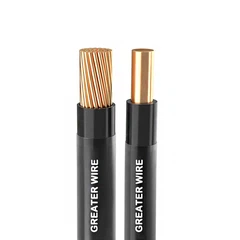

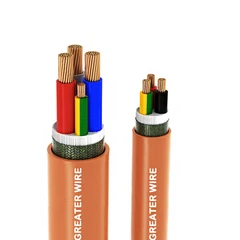
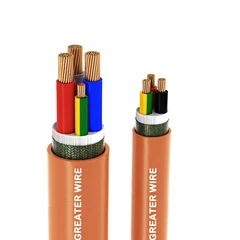
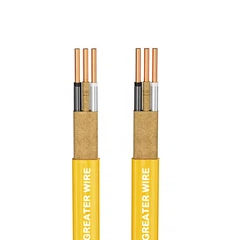
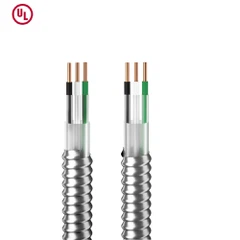
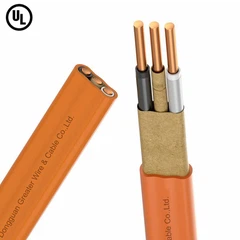
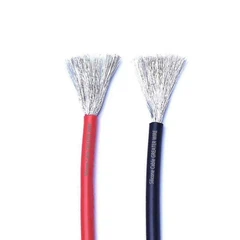
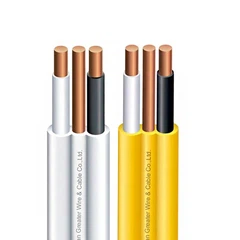
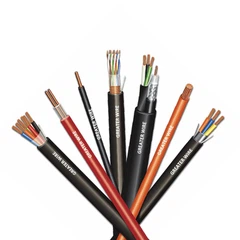
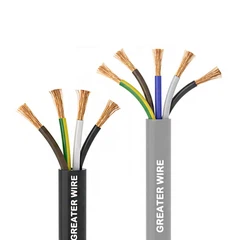
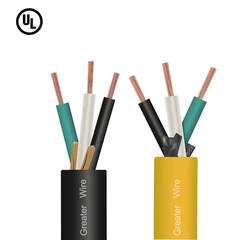
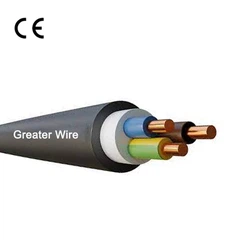
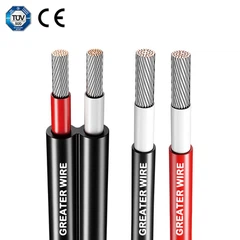

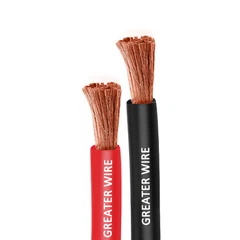
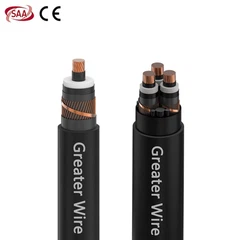
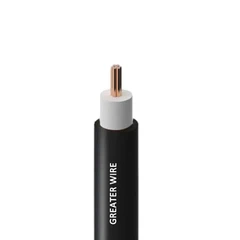
Choosing the right wire and cable is critical in modern construction and electrical engineering. AC cables and BX cables are two of the most common armored cables, yet many people often confuse them. This article will explain the differences in structure, performance, application scenarios, and selection tips, helping you make informed decisions quickly while ensuring safety and efficiency for your projects.
Introduction to AC and BX Cables
| Type | Overview | Construction Features |
|---|---|---|
| AC Cable (Armored Cable) | Commonly used in residential, commercial, and industrial wiring | Multi-strand copper conductors + insulation + metal sheath; flexible and highly protective |
| BX Cable | Traditional steel tape armored cable with a long history | Multi-strand copper conductors + paper insulation + spiral steel tape sheath; requires attention to bending radius during installation |
Key Point: AC cables are more flexible and easier to install due to improved materials and technology. BX cables still have value in specific cases, but modern wiring projects increasingly use AC cables.
Appearance and Structural Comparison
| Feature | AC Cable | BX Cable |
|---|---|---|
| Appearance | Smooth metal sheath, flexible | Spiral steel tape, relatively rigid |
| Conductor | Multi-strand copper with complete insulation | Multi-strand copper with paper insulation |
| Installation Ease | Flexible and easy to pull through conduits | Limited bending, requires specialized tools |
| Visual Identification | Smooth and uniform | Spiral steel tape visible |

Performance and Features Comparison
| Performance | AC Cable | BX Cable |
|---|---|---|
| Fire Resistance | High (flame-retardant sheath) | Medium (steel tape can conduct heat) |
| Water & Moisture Resistance | Excellent | Fair, requires extra protection |
| Durability | High, long service life | Medium, affected by bending |
| Cost | Medium | Low to medium |
| Conductivity | Excellent | Good |
Key Point: AC cables generally outperform BX cables, making them ideal for modern residential and commercial projects where safety and installation efficiency are critical.
Application Scenarios Comparison
| Scenario | AC Cable | BX Cable |
|---|---|---|
| Residential Wiring | ✅ | ⚠️ |
| Office & Commercial Buildings | ✅ | ⚠️ |
| Industrial Equipment Connection | ✅ | ✅ (in specific cases) |
| Outdoor or Moist Environments | ✅ (with additional sheath) | ⚠️ (requires moisture protection) |
Key Point: AC cables are more versatile, while BX cables are mainly used in older buildings or specific industrial situations.

Selection Tips
- Project Environment: Use AC cables for modern indoor wiring; BX cables may be considered for older buildings or renovation projects.
- Installation Convenience: AC cables are better for frequent bending or conduit installation.
- Budget vs Performance: AC cables provide better long-term value and lower maintenance costs.
💡 Quick Selection Table:
| Requirement | Recommended Cable |
|---|---|
| High flexibility & easy installation | AC Cable |
| Renovation of older buildings | BX Cable |
| High fire safety requirement | AC Cable |
Company Advantage
In summary, AC and BX cables differ significantly in structure, performance, and application: AC cables are flexible, highly protective, and suitable for most modern wiring needs; BX cables are appropriate for specific scenarios but can be more challenging to install and maintain.
At Dongguan Greater Wire & Cable Co., Ltd., we specialize in providing high-quality AC cables. Regardless of project size, we offer full technical support and service. Our AC cables are high-performance, easy to install, and cost-effective, backed by a professional pre-sales and after-sales team ready to solve any customer issue.
📞 Contact Us:
- Tel/WhatsApp/Wechat: +86 135 1078 4550 / +86 136 6257 9592
- Email: manager01@greaterwire.com
Choosing the right cable is key to ensuring project safety and efficiency. Contact us today to get professional selection advice and premium AC cable solutions!