


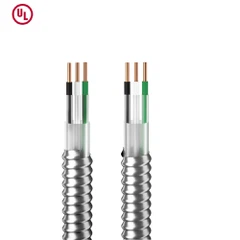
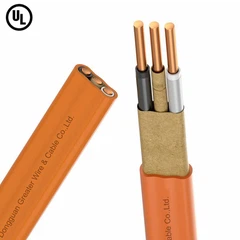
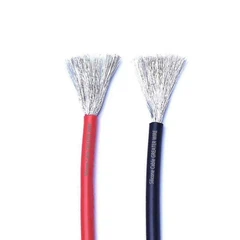
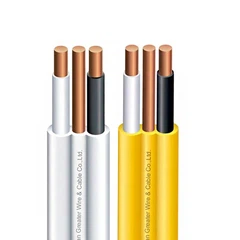
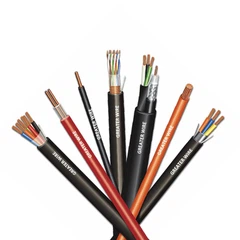
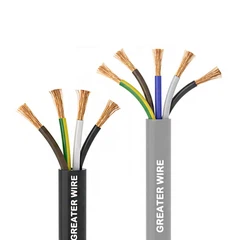
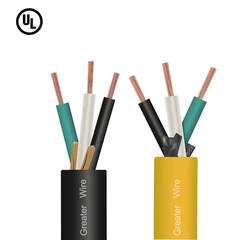
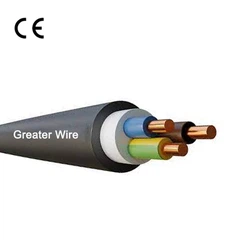
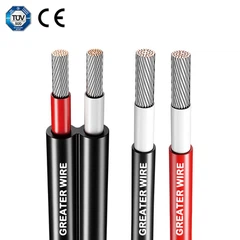

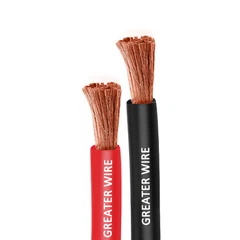
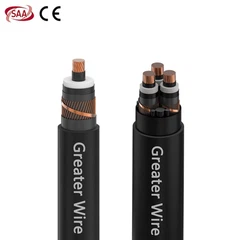
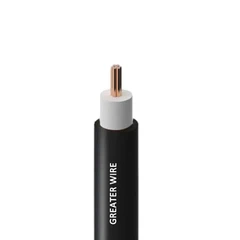
Choosing the right cable can dramatically improve your equipment performance, reduce downtime, and even extend your machine's lifespan. Yet many buyers still struggle to distinguish flexible cables from standard cables, causing unexpected failures or unnecessary maintenance costs. This article will help you quickly understand the key differences, compare them side-by-side, and make the smartest choice for your application.
What Is a Flexible Cable?
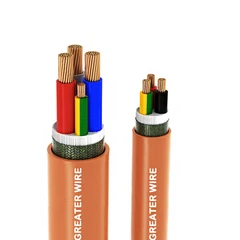
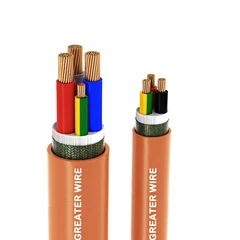
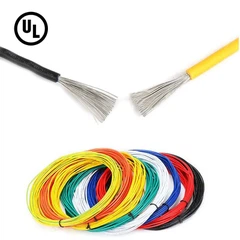
A flexible cable, also known as a flex cable or high-flex cable, is specially engineered for continuous movement, bending, or twisting.
Key Features of Flexible Cable:
- High flexibility using ultra-fine multi-stranded conductors
- Excellent bending resistance, capable of millions of flex cycles
- Durable insulation & sheath engineered for motion-intensive environments
Ideal for dynamic applications such as:
- Industrial robots
- Drag chains / cable carriers
- Automation machines
- CNC equipment
- Moving conveyor systems
Flexible cables are designed for environments where cables must constantly move without breaking, hardening, or deforming.
What Is a Standard Cable?
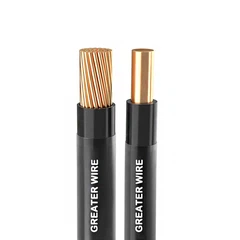
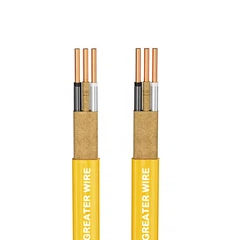
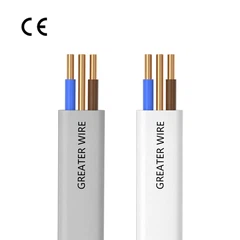
A standard cable is mainly designed for fixed installation, where little to no movement occurs after installation.
Characteristics of Standard Cable:
- Contains thicker conductor strands
- Not suitable for repetitive motion
- Cost-effective solution for non-moving systems
Common applications:
- Building wiring
- Power distribution
- Household appliances
- Static industrial equipment
Standard cables work perfectly in stationary environments but are not intended for constant bending or twisting.

Key Differences Between Flexible Cable and Standard Cable
Structural Differences
- Flexible Cable:Uses fine, multi-stranded copper wires, allowing the cable to bend repeatedly without fatigue.
- Standard Cable:Uses fewer, thicker conductor strands, making it stiffer and prone to breakage under dynamic motion.
Mechanical Performance
- Flexible cables withstand millions of bending cycles, maintaining stable conductivity.
- Standard cables fail quickly when subjected to repetitive motion due to conductor fatigue.
Durability & Lifespan
- Flexible Cable:Engineered for dynamic stress, abrasion, oil, chemical exposure, and mechanical wear.
- Standard Cable:Durable in static environments but wears out fast when moved.
Installation Differences
- Flexible cables allow smaller bending radius, easier routing, and optimized movement.
- Standard cables require larger bending radius, limiting usage in compact or mobile systems.
Cost Differences
- Flexible cable costs more upfront, but saves money long-term by reducing downtime and replacement cost.
- Standard cable is cheaper initially, but unsuitable for moving applications and may lead to repeated failures.
If your application involves motion, bending, or vibration, flexible cable is the only reliable choice.
For static installation, standard cable offers a cost-effective solution.
Flexible Cable vs Standard Cable
| Category | Flexible Cable | Standard Cable |
|---|---|---|
| Conductor Structure | Fine multi-stranded | Thicker, fewer strands |
| Flexibility | Very high | Low |
| Bending Resistance | Millions of cycles | Poor under repetitive motion |
| Applications | Robotics, drag chains, automation | Buildings, static machinery |
| Installation Radius | Small | Large |
| Durability in motion | Excellent | Weak |
| Initial Cost | Higher | Lower |
How to Choose the Right Cable for Your Application?
To select the proper cable, consider the following factors:
- Will the cable move continuously?
Yes → Choose flexible cable
No → Standard cable is enough
- Bending frequency & radius
High-frequency bending → High-flex drag chain cable
Occasional bending → Semi-flexible cable
- Operating environment
Oil, chemicals, abrasion → Industrial flexible cable
Indoor building wiring → Standard cable
- Longevity requirements
Long-term reliability → Flexible cable
Budget projects → Standard cable
- Mechanical stress level
Heavy motion or vibration → Flexible cable
Common Mistakes to Avoid When Selecting Cables
- Using standard cable in dynamic applications, leading to conductor breakage
- Ignoring minimum bending radius, causing premature cable failure
- Choosing low-grade insulation materials not suitable for industrial environments
- Selecting cables based on cost only, instead of performance and lifespan
- Incorrect sizing, resulting in overheating or voltage drop
Avoiding these mistakes ensures safer, longer-lasting systems.

Our Company Advantage
At Dongguan Greater Wire & Cable Co., Ltd., we have 30 years of manufacturing experience, specializing in high-performance flexible cables for robotics, automation, machinery, and industrial systems.
Why Choose Our Flexible Cable?
- Full series VDE / CE / CB certifications
- Tested for millions of bending cycles
- Customizable for any industry application
- Professional pre-sales & after-sales technical support
- Suitable for small projects, large projects, OEM & custom solutions
Choosing our flexible cable means choosing reliability, durability, and long-term cost savings. We help your equipment run smoother, longer, and safer.
📞 Contact Us Today
- Dongguan Greater Wire & Cable Co., Ltd.
- Tel/WhatsApp/Wechat: +86 135 1078 4550 / +86 136 6257 9592
- Email: manager01@greaterwire.com