



In modern electrical engineering and industrial applications, cable selection directly affects system stability and safety. The AC90 cable, known for its high performance in alternating current transmission, is widely used in power distribution, communication, and industrial control systems due to its excellent conductivity and stable impedance characteristics. Understanding the impedance of AC90 cables helps engineers optimize designs, improve energy transmission efficiency, and reduce system failure rates. This article provides a comprehensive analysis of AC90 cables, covering their overview, impedance characteristics, practical applications, and optimization and selection recommendations.
Overview of AC90 Cable
Definition and Applications
The AC90 cable is a medium- to low-voltage alternating current cable, commonly used in industrial, commercial, and communication systems. Its key features include stable rated voltage, excellent insulation performance, and strong anti-interference capabilities. AC90 cables provide reliable performance in both high-frequency signal transmission and long-distance power distribution.
Structure and Materials
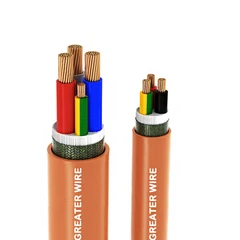
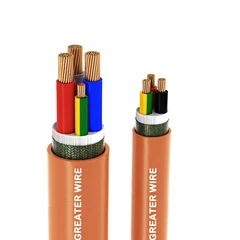
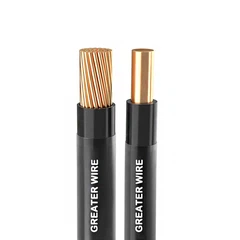
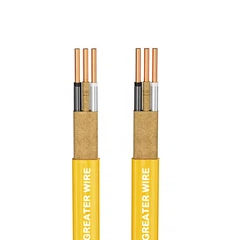
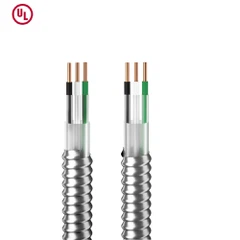
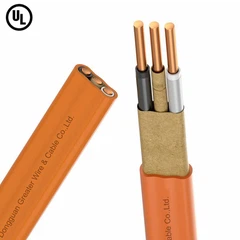
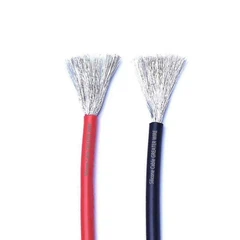
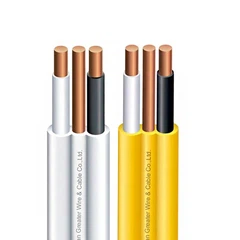
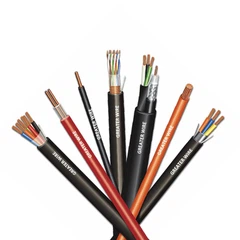
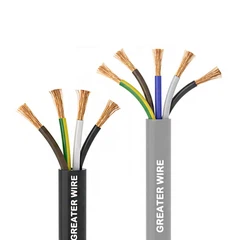
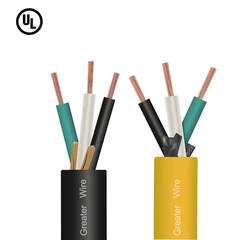
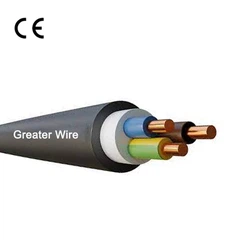
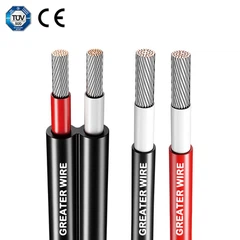
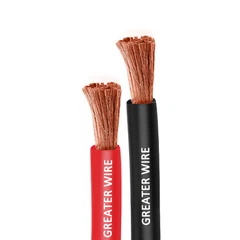
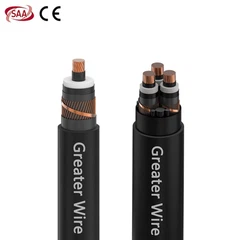
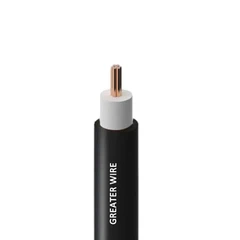
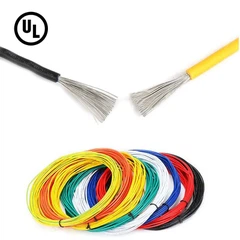
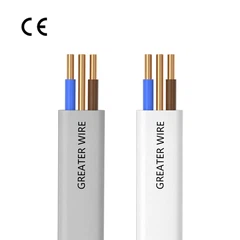
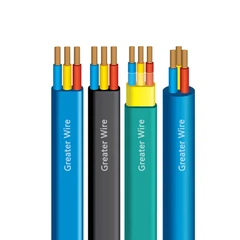
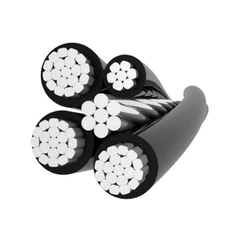
Typically, AC90 cables consist of high-conductivity copper or aluminum conductors, high-temperature insulation, and flexible sheathing. The conductor diameter, insulation thickness, and sheath material significantly influence the cable's impedance. High-quality materials not only ensure conductivity but also reduce resistance losses and signal reflection.
Common Models and Specifications
AC90 cables come in various cross-sectional sizes (e.g., 1.5mm², 2.5mm², 4mm², 6mm²), suitable for different current ratings and system requirements. Standardized specifications facilitate engineering design and installation while ensuring precise impedance matching.
Impedance Characteristics of AC90 Cable
Basic Concept of Impedance
Impedance (Z) represents the total opposition to alternating current and consists of resistance (R) and reactance (X), expressed as Z = R + jX. For AC90 cables, impedance determines energy transmission efficiency and signal integrity under AC conditions.
AC90 Cable Impedance Parameters
- Resistance (R): Determined by conductor material and cross-section, affecting both DC and AC resistance.
- Inductance (L): Influenced by conductor arrangement and cable length; high inductance can cause voltage drops and signal delay.
- Capacitance (C): Determined by insulation thickness and dielectric constant; affects high-frequency transmission loss.
These parameters collectively define the characteristic impedance of AC90 cables, which must be considered in system design to prevent signal reflection and power loss.
Frequency and Environmental Effects on Impedance
AC90 cable impedance varies with frequency:
- Low-frequency applications: Resistance dominates, ensuring high energy transmission efficiency.
- High-frequency applications: Inductance and capacitance become significant; impedance matching is critical.
Environmental factors such as temperature, humidity, and mechanical stress can also impact impedance and system stability.

Practical Significance of AC90 Cable Impedance
Applications in Power Distribution Systems
Impedance matching ensures efficient power transmission, reduces voltage drops, and minimizes power loss. AC90 cables' stable impedance makes them a reliable choice for buildings, factories, and electrical facilities.
Applications in Communication Systems
Impedance mismatches in signal transmission can cause reflection and interference. The excellent impedance stability of AC90 cables ensures signal integrity, increasing transmission speed and reliability.
Applications in Industrial and Harsh Environments
In high-temperature, high-humidity, or long-distance installations, AC90 cables maintain stable impedance, preventing system failures and signal degradation. They provide solid support for complex engineering projects.
Impedance Optimization and Cable Selection Recommendations
Choose Cables Based on Load and Frequency
Engineers should select AC90 cable cross-sections according to system current, voltage, and operating frequency to ensure impedance matches the system and maximize efficiency.
Consider Environmental Factors and Installation
For outdoor, humid, or high-temperature environments, select appropriate sheath materials and insulation thickness to prevent impedance variations from affecting system performance.
Impedance Matching Strategies
- Short-distance, high-frequency transmission: Prioritize cables with low inductance and high capacitance matching.
- Long-distance power distribution: Optimize conductor cross-section to reduce resistance and achieve stable power delivery.
Proper selection and layout optimization allow AC90 cables to perform optimally in various scenarios.

Why Choose Dongguan Greater Wire & Cable Co., Ltd.
As a professional AC cable manufacturer, Dongguan Greater Wire & Cable Co., Ltd. has years of experience producing AC90 cables and offers comprehensive solutions for clients:
- High-Quality Products: Strict material selection ensures conductivity and impedance stability.
- Customized Services: We can handle projects of any size, from large-scale orders to small batches, tailored to your requirements.
- Technical Support: Our professional pre-sales and after-sales team provides impedance analysis, selection guidance, and installation support.
- Global Service: Quick response to client needs ensures smooth project completion.
Contact Us:
- Tel/WhatsApp/Wechat: +86 135 1078 4550 / +86 136 6257 9592
- Email: manager01@greaterwire.com
Choose AC90 cables, choose reliability. Let us support your projects with safety, efficiency, and confidence.