

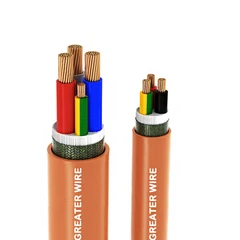
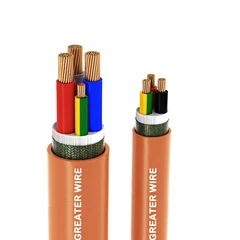

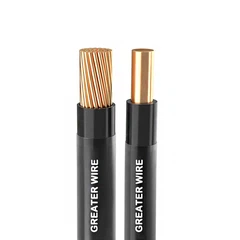
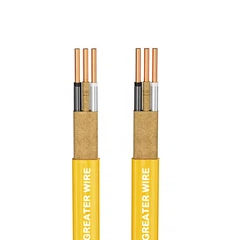
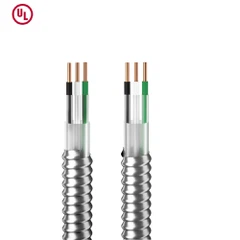
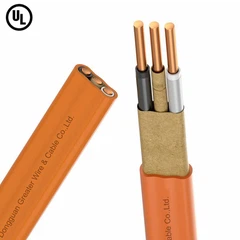
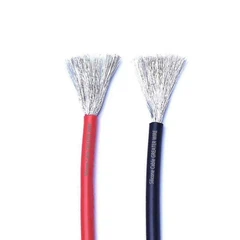
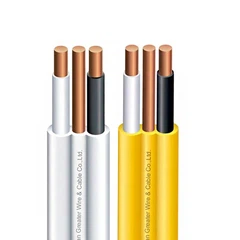
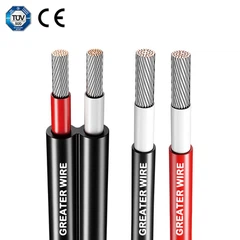

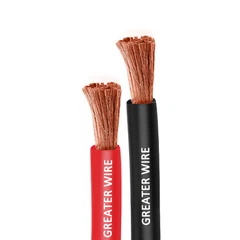
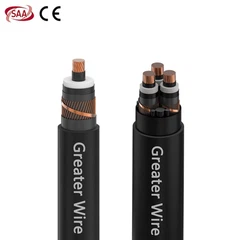
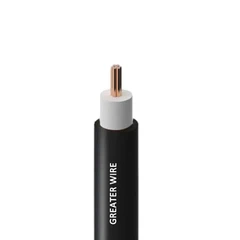
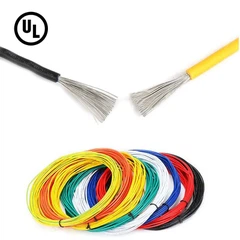
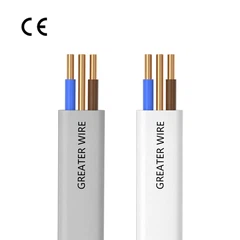
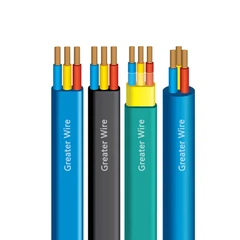
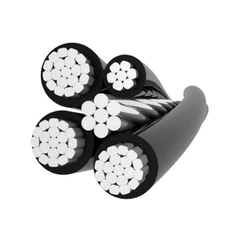
In a solar power system, solar cables or solar wires are integral components responsible for transferring electrical current from photovoltaic (PV) panels to other parts of the system such as inverters, charge controllers, and the electrical grid. To ensure these cables perform safely and efficiently in outdoor environments, they must be insulated with durable materials that can withstand environmental factors such as UV radiation, extreme temperatures, and mechanical stress. The insulation material is crucial for the overall safety, longevity, and performance of the solar cables.
This article explores the various insulation materials used in solar cables, their properties, and why they are chosen for specific applications in solar systems.

1. The Role of Insulation in Solar Cables
The insulation around a solar cable serves several critical functions:
Electrical Safety: It prevents short circuits by isolating the conductive core (copper or aluminum) from external elements and other conductive materials.
Protection from Environmental Factors: It protects the cable from external damage caused by UV radiation, rain, moisture, dust, and temperature fluctuations.
Mechanical Protection: It provides a layer of protection against physical wear and tear, such as abrasion, impacts, and crushing.
Thermal Resistance: Insulation prevents overheating by managing the cable's heat dissipation and ensuring safe operation in hot environments.
The insulation material must meet the specific requirements of the solar installation, ensuring that the solar cables are safe, durable, and efficient over the long term.

2. Common Insulation Materials Used in Solar Cables
Several materials are used for the insulation of solar cables. The choice of material depends on factors such as environmental conditions, temperature range, mechanical requirements, and fire safety considerations. Below are the most common insulation materials used in solar wires:
2.1 Cross-Linked Polyethylene (XLPE)
Cross-linked polyethylene (XLPE) is one of the most widely used insulation materials in solar cables. It is a type of polyethylene that has undergone a chemical process known as cross-linking, which improves its properties and makes it highly suitable for use in solar power systems.
Key Characteristics of XLPE:
High Temperature Resistance: XLPE can withstand temperatures ranging from -40°C to 90°C, with some variants rated for higher temperatures. This makes it ideal for use in environments with fluctuating temperatures and direct sunlight.
UV Resistance: The cross-linking process makes XLPE resistant to UV radiation, which helps prevent degradation of the cable over time, especially in outdoor solar applications where cables are exposed to the sun's rays.
Durability: XLPE is known for its excellent mechanical properties, including resistance to abrasion, impacts, and moisture. This durability ensures the long-term reliability of solar cables even in harsh conditions.
Chemical Resistance: XLPE is resistant to most acids, bases, and oils, making it suitable for use in a wide range of environmental conditions, including areas with exposure to chemicals or high humidity.
XLPE insulation is commonly used in cables designed for both residential and commercial solar installations, as it combines durability, flexibility, and safety features at an affordable cost.
2.2 Thermoplastic Elastomer (TPE)
Thermoplastic elastomer (TPE) is another material often used for the insulation of solar cables. TPE is a versatile material that combines the characteristics of both rubber and plastic, providing excellent flexibility and resistance to external stresses.
Key Characteristics of TPE:
High Flexibility: TPE is highly flexible, making it easier to install and handle, especially in applications with tight or complex routing requirements.
UV and Weather Resistance: TPE is inherently resistant to UV radiation and weathering, making it ideal for outdoor use in solar systems exposed to the sun, rain, and fluctuating temperatures.
Abrasion and Impact Resistance: TPE is resistant to abrasion and impact, providing additional protection to solar cables from physical wear and tear.
Low Toxicity and Environmental Friendliness: TPE is considered more environmentally friendly compared to some other plastic-based materials because it is free from harmful substances such as lead and cadmium.
TPE-insulated solar wires are ideal for residential and commercial installations where flexibility, durability, and environmental resistance are essential.
2.3 Polyvinyl Chloride (PVC)
Polyvinyl chloride (PVC) is one of the most common insulation materials used in general electrical wiring, including some solar cables. Although PVC is not as widely used in solar systems as XLPE or TPE, it still serves as an effective insulation material for specific applications.
Key Characteristics of PVC:
Cost-Effective: PVC is one of the most affordable insulation materials, making it a common choice for low-budget solar installations or where cost is a significant consideration.
Moderate Temperature Resistance: PVC insulation typically has a temperature range of -15°C to 70°C, which makes it suitable for mild climates and indoor applications but not ideal for systems exposed to extreme temperatures.
UV Resistance (Limited): PVC is not naturally resistant to UV radiation. To enhance its UV resistance, it is often treated with additional additives. Without UV protection, PVC can degrade and become brittle when exposed to sunlight for prolonged periods.
Moderate Chemical Resistance: PVC is resistant to many chemicals, but it may degrade in the presence of certain solvents, oils, and acids. This makes it less suitable for harsh environmental conditions compared to XLPE and TPE.
PVC is primarily used in solar cables for indoor applications or areas that are not exposed to extreme temperatures or UV radiation. It can also be used in budget-conscious installations where performance requirements are less stringent.
2.4 Ethylene Propylene Diene Monomer (EPDM)
Ethylene Propylene Diene Monomer (EPDM) is a type of synthetic rubber used in the insulation and sheathing of solar cables, particularly in applications that require high flexibility and resistance to outdoor elements.
Key Characteristics of EPDM:
Excellent UV Resistance: EPDM provides exceptional protection against UV radiation, making it ideal for outdoor solar installations where prolonged exposure to sunlight is common.
High Temperature Range: EPDM can tolerate a broad range of temperatures, typically from -40°C to 90°C, and can endure brief spikes in temperature up to 120°C. This makes it suitable for environments with extreme temperature variations.
Water and Weather Resistance: EPDM has excellent resistance to water, weathering, and ozone, which ensures the longevity of solar cables in wet or high-humidity environments.
Flexibility: EPDM is highly flexible, which allows for easier installation in tight spaces and areas with complex routing requirements.
EPDM is most commonly used in outdoor solar cable applications that require both high flexibility and resistance to UV rays, moisture, and extreme temperatures.
2.5 Fluoropolymers (FEP, PFA, ETFE)
Fluoropolymers, including fluorinated ethylene propylene (FEP), perfluoroalkoxy (PFA), and ethylene tetrafluoroethylene (ETFE), are high-performance insulation materials used in specific solar wire applications, especially where high resistance to chemicals, heat, and extreme environmental conditions is required.
Key Characteristics of Fluoropolymers:
Outstanding Temperature Resistance: Fluoropolymers have exceptional high-temperature resistance, with materials like FEP and PFA being able to withstand temperatures ranging from -200°C to 260°C.
Chemical Resistance: Fluoropolymers are highly resistant to a wide range of chemicals, oils, and solvents, making them ideal for use in harsh industrial environments or places with exposure to corrosive substances.
UV Resistance: Fluoropolymers offer excellent resistance to UV radiation, ensuring that solar cables maintain their integrity over time when exposed to sunlight.
Low Friction and Non-Stick: These materials have low friction, reducing the wear and tear on the cables during installation and operation.
Fluoropolymers are typically used in high-end solar cables for specialized applications, such as in extreme environments or high-performance solar systems that require superior heat and chemical resistance.

3. Factors Influencing the Choice of Insulation Material
The selection of insulation material for solar cables depends on a variety of factors, including:
Environmental Conditions: For outdoor solar installations, materials with high UV and weather resistance, such as XLPE, TPE, and EPDM, are preferred. For indoor or sheltered installations, PVC may be a more cost-effective choice.
Temperature Range: The temperature tolerance of the insulation material should align with the climate conditions in which the solar system will operate. XLPE and EPDM offer a broader temperature range than PVC, making them suitable for installations in areas with extreme temperatures.
Mechanical Requirements: Solar cables that will be exposed to physical stresses, such as abrasion or impact, require durable insulation materials like XLPE or EPDM.
Cost Considerations: PVC and TPE offer a cost-effective solution for certain applications, though they may not provide the same level of protection as more expensive materials like XLPE or fluoropolymers.
GREATER WIRE is a leading cable company specializing in the manufacturing and supply of high-quality cable products. With years of industry experience, we offer a wide range of cables, including America UL cables, Australia SAA cables, VDE cables, and TUV cables, catering to various applications such as industrial, commercial, and residential use.
Contact us today for more information on our products and services. Our dedicated team is ready to assist you with all your cable needs.