

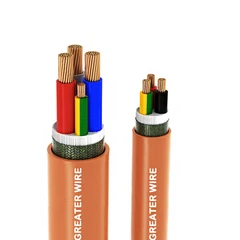
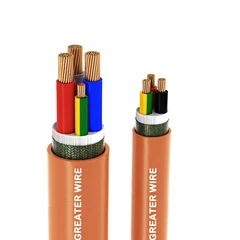

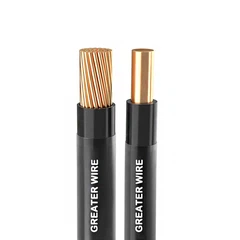
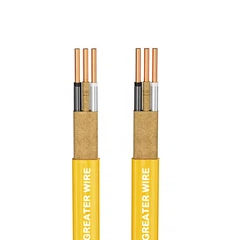
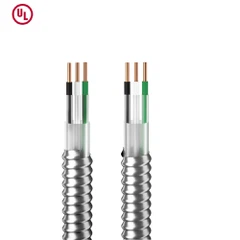
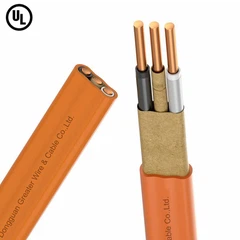
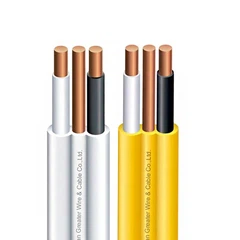
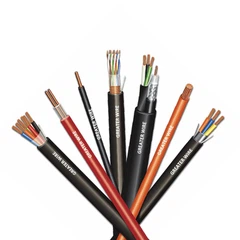
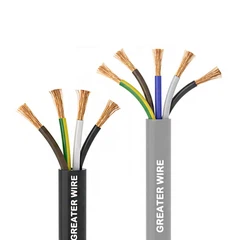
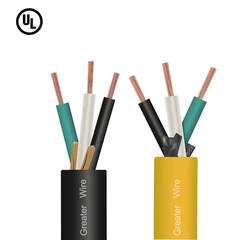
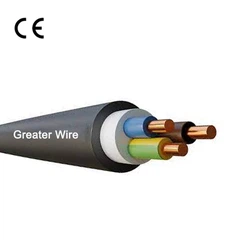
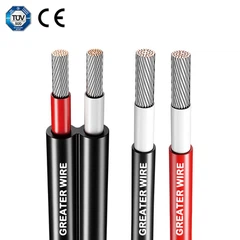

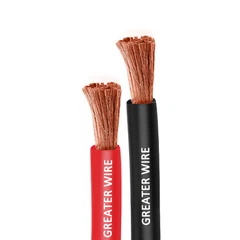
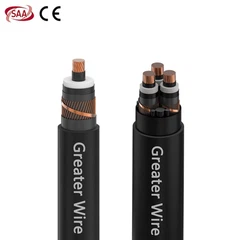
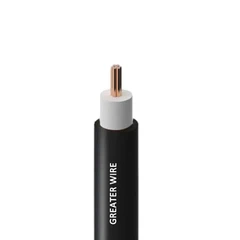
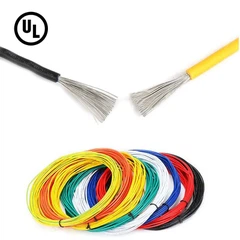
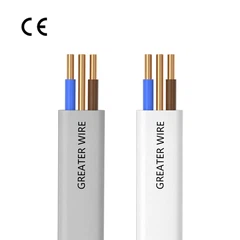
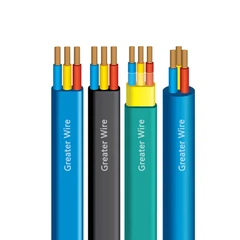
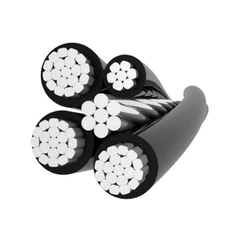
TFFN (Thermoplastic Flexible Nylon) cable is a flexible wire made of thermoplastic nylon material, which is widely used in household, industrial and commercial electrical equipment. TFFN cable is highly regarded for its excellent wear resistance, chemical corrosion resistance and high temperature resistance. One of its main uses is as an electrical connection line, especially suitable for environments that require flexibility and high temperature resistance.


1. Definition and construction of TFFN cable
The full name of TFFN cable is Thermoplastic Flexible Nylon cable. The conductor of this cable is usually made of copper, and the outer insulation layer is made of thermoplastic nylon material. Due to the extremely high heat resistance, wear resistance and strong chemical resistance of thermoplastic nylon, TFFN cable can show excellent durability and stability in harsh environments.
In terms of construction, TFFN cable consists of conductor, insulation layer and sheath. The conductor is made of oxygen-free copper, which can ensure good electrical conductivity. The insulation layer is mainly made of thermoplastic nylon material, which can not only effectively prevent current leakage, but also provide good mechanical protection. Finally, the outer sheath of the cable increases the cable's resistance to wear, especially in situations where it is frequently bent and moved.

2. Main characteristics of TFFN cables
TFFN cables have the following significant characteristics:
Strong flexibility: TFFN cables use thermoplastic nylon as insulation material, which makes them extremely flexible and bendable. It is suitable for applications that require frequent movement or bending, such as automation equipment, home appliances, etc.
High temperature resistance: The thermoplastic nylon material of TFFN cables has excellent high temperature resistance. It can work in high temperature environments, and its insulation layer is not easy to melt or degrade, which makes TFFN cables particularly suitable for high temperature applications.
Abrasion and chemical resistance: Nylon materials themselves have excellent resistance to wear and chemical corrosion. TFFN cables can work stably in various harsh environments to prevent damage caused by external factors.
Good electrical performance: The conductor of TFFN cables usually uses oxygen-free copper, so its electrical performance is very good, which can efficiently transmit current and reduce energy loss.

3. Application fields of TFFN cables
Due to its excellent flexibility and high temperature resistance, TFFN cables are widely used in the following fields:
Home appliance industry: Due to its flexibility and high temperature resistance, TFFN cables are widely used in home appliances such as refrigerators, air conditioners, washing machines and other equipment for electrical connections.
Industrial equipment: In industrial automation equipment, TFFN cables can withstand frequent movement and bending, and are suitable for applications such as robots, sensors and automation devices.
Automotive industry: The application of TFFN cables in automotive electronic and electrical systems is gradually increasing, especially in components that require higher heat resistance and wear resistance.
Building electrical: TFFN cables are also suitable for electrical connections in buildings, especially in installation environments that require high temperature resistance or easy bending.

4. Working temperature range of TFFN cables
The working temperature range of TFFN cables is an important parameter of it, which is directly related to its reliability in different application environments. According to the specifications of TFFN cables, their typical working temperature range is usually:
Minimum working temperature: TFFN cables can work normally in a low temperature environment of -20°C, suitable for use in cold environments.
Maximum operating temperature: The maximum operating temperature of TFFN cables can usually reach 90°C, and some specifications of TFFN cables can withstand higher temperatures for a short period of time. For some special applications, some high-temperature versions of TFFN cables can withstand temperatures of 120°C or even higher.
TFFN cables have excellent temperature resistance and can adapt to a variety of high-temperature environments, especially in high-temperature working environments such as mechanical equipment and household appliances, which can ensure the safe operation and long-term stability of the cables.

5. Working principle of TFFN cables
The working principle of TFFN cables is similar to other cables. It mainly transmits current through conductors, while relying on insulating materials to ensure the stable transmission of current and prevent short circuits or leakage. The outer sheath of the cable protects the inner conductor from the external environment and ensures the long-term stability of the cable.
Due to the characteristics of TFFN cables such as flexibility and high temperature resistance, they can withstand a large range of movement and temperature changes during operation, and are particularly suitable for environments that require high durability and wear resistance.

6. Advantages and challenges of TFFN cables
Advantages
Flexibility: One of the biggest advantages of TFFN cables is their excellent flexibility, which is particularly suitable for application environments that require frequent bending or movement.
High temperature tolerance: TFFN cables can withstand high temperature environments, avoiding problems such as melting or aging in high temperature environments.
Abrasion and chemical resistance: The nylon outer sheath not only increases the durability of the cable, but also effectively prevents the corrosion of the cable by external chemicals.
Challenges
High cost: The cost of nylon materials is higher than that of ordinary materials, so the overall price of TFFN cables is relatively expensive.
Difficulty in installation: Although TFFN cables are very flexible, their harder outer sheaths may require special care during installation to avoid damage to the cable.
Environmental constraints: Although TFFN cables can withstand high operating temperatures, the performance of the cables may still be limited under some extreme temperature conditions.