


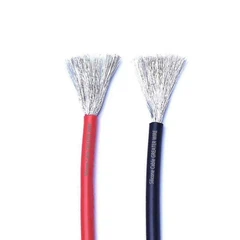

In the world of solar cables and solar wires, choosing the right cable for a solar power system is crucial for the system's performance, safety, and longevity. One of the most important aspects of solar cables is the material of the outer sheath, as it provides the first line of defense against environmental hazards. For PV1-F cables, this material is carefully selected to ensure high durability, protection from external factors, and compatibility with various environmental conditions.
This article will explore the outer sheath material of the PV1-F cable, how it impacts the cable's performance in solar applications, and how it compares to the outer sheath materials used in other common solar cables like H1Z2Z2-K.

1. Overview of PV1-F Cable
Before delving into the specifics of the outer sheath material, it's important to first understand the role of the PV1-F cable in a solar power system.
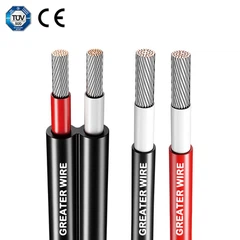
The PV1-F cable is a type of solar cable specifically designed for photovoltaic systems. It is used to connect solar panels to other components of the system, such as inverters, charge controllers, and batteries. The PV1-F cable is engineered to withstand harsh environmental conditions, which is critical since solar power systems are often exposed to extreme weather such as intense sunlight, wind, rain, and even snow.
The PV1-F cable is:
Rated Voltage: Typically 1,000 V DC.
Durability: Built to last in harsh conditions, with excellent resistance to UV radiation and mechanical stress.
Insulation: Usually made of cross-linked polyethylene (XLPE) or similar materials for excellent thermal stability.
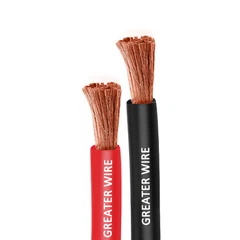
Conductor: Often made from copper or tinned copper to ensure high conductivity and corrosion resistance.
Now that we have a general understanding of the PV1-F cable, let's take a deeper look at the outer sheath material and why it plays such a vital role.

2. What is the Outer Sheath Material of PV1-F Cable?
The outer sheath material of the PV1-F cable is a crucial component that directly impacts the cable's overall performance and longevity. In the case of the PV1-F cable, the outer sheath is typically made from thermoplastic elastomer (TPE), polyvinyl chloride (PVC), or sometimes polyurethane (PUR). These materials are chosen for their ability to withstand environmental stresses such as temperature fluctuations, UV radiation, moisture, mechanical abrasion, and chemical exposure.
2.1 Thermoplastic Elastomer (TPE)
One of the most commonly used materials for the outer sheath of PV1-F cables is thermoplastic elastomer (TPE). TPE is a versatile material that combines the elasticity of rubber with the processability of thermoplastics. This makes TPE an ideal choice for solar cables that need to be both durable and flexible.
UV Resistance: TPE provides excellent resistance to UV radiation, which is important for outdoor use, as solar cables are exposed to the sun's rays for prolonged periods.
Abrasion Resistance: TPE offers strong resistance to mechanical wear and tear, which is particularly important in installations where cables may be exposed to physical damage.
Temperature Resistance: TPE can function effectively in a wide temperature range, typically between -40°C and +90°C, which makes it suitable for both cold and hot climates.
2.2 Polyvinyl Chloride (PVC)
Another material sometimes used for the outer sheath of PV1-F cables is polyvinyl chloride (PVC). PVC is known for its cost-effectiveness, durability, and insulating properties. While it may not offer the same flexibility as TPE, it is still widely used in solar cables due to its other benefits.
Water Resistance: PVC is inherently resistant to water, which is essential for solar cables that may be exposed to rain or moisture over time.
UV Resistance: Although not as resistant to UV as TPE, UV-resistant PVC can be used in environments where moderate sunlight exposure is expected.
Mechanical Strength: PVC provides good resistance to mechanical impact and abrasion, though it can be less flexible than TPE in colder temperatures.
2.3 Polyurethane (PUR)
Some PV1-F cables use polyurethane (PUR) as the outer sheath material. PUR is a high-performance polymer known for its outstanding durability, flexibility, and abrasion resistance. It is less common than TPE and PVC but is still used in specific solar cable applications that require additional toughness.
High Flexibility: PUR has excellent flexibility, even at low temperatures, which makes it ideal for use in locations where the cable may be subject to frequent movement or bending.
Abrasion and Impact Resistance: PUR excels in providing protection against wear and tear, making it suitable for solar power systems in areas with rough or high-traffic conditions.
Chemical Resistance: PUR is highly resistant to a wide range of chemicals, including oils, fuels, and solvents, which could be important in industrial or commercial settings.

3. Why is the Outer Sheath Material Important for Solar Cables?
The outer sheath of a solar cable is the first line of defense against various external factors that could damage the cable or degrade its performance. The material used for the sheath is important for several key reasons:
3.1 Protection from UV Radiation
One of the most important factors to consider for solar cables is their exposure to ultraviolet (UV) radiation. Solar cables are typically installed outdoors and are continuously exposed to sunlight. Over time, UV radiation can degrade the insulation and outer sheath of cables, leading to brittle cables, cracks, and potential electrical faults.
Materials like TPE, PVC, and PUR provide UV resistance, which helps protect the cable from UV degradation and ensures a longer lifespan.
3.2 Mechanical Protection
The outer sheath provides mechanical protection to the solar wire against physical damage. Whether it's from rodents, human handling, or general wear and tear, the sheath material must be able to withstand cuts, abrasions, and impacts. TPE and PUR, for example, offer excellent abrasion resistance, making them ideal for harsh environments.
3.3 Environmental Protection
The outer sheath also acts as a barrier to various environmental factors, including:
Water: PVC and TPE are both resistant to water penetration, preventing moisture from getting inside the cable and causing short circuits or corrosion.
Temperature Fluctuations: The outer sheath material must be able to withstand both extreme heat and cold, maintaining the integrity of the cable's performance. Materials like TPE and PUR offer high thermal stability, making them suitable for a range of temperatures.
3.4 Chemical Resistance
The outer sheath must also be resistant to various chemicals it might come into contact with, such as oils, solvents, and other pollutants. PUR and PVC offer good chemical resistance, making them ideal for industrial environments where cables are exposed to harsh substances.

4. Comparison with Other Solar Cable Sheath Materials
Now that we've explored the outer sheath material of the PV1-F cable, let's briefly compare it with the materials used in other popular solar cables, such as the H1Z2Z2-K and PV2 cables.
4.1 H1Z2Z2-K Cable
The H1Z2Z2-K cable, another popular solar wire, typically uses a cross-linked polyethylene (XLPE) material for its outer sheath. This material offers excellent resistance to UV radiation, high temperatures, and mechanical stress. However, TPE used in PV1-F cables is often more flexible than XLPE, making it more suitable for installations in tight spaces or areas where the cable will be subject to frequent movement.
4.2 PV2 Cable
PV2 cables, which are used in high-voltage solar systems, also feature an outer sheath made from cross-linked polyethylene (XLPE) or thermoplastic materials. While the material is similar to PV1-F cables, the PV2 cables are typically designed to handle higher voltages and offer additional protection for long-term reliability in harsh environments.