























In the design and installation of solar power systems, fire protection is a critical concern, as solar cables are exposed to a variety of environmental conditions that could lead to overheating, electrical faults, or even fires. Among the various types of solar cables, the PV1-F cable is commonly used for connecting solar panels to the rest of the photovoltaic (PV) system. One of the key aspects of solar wires like PV1-F is their fire protection level, which determines their ability to withstand heat, prevent fire propagation, and minimize fire risks in the system.
In this article, we will explore the fire protection level of PV1-F cables, the importance of fire resistance in solar cables, and how PV1-F cables compare with other solar wires in terms of fire safety standards.

1. What is the Fire Protection Level of PV1-F Cable?
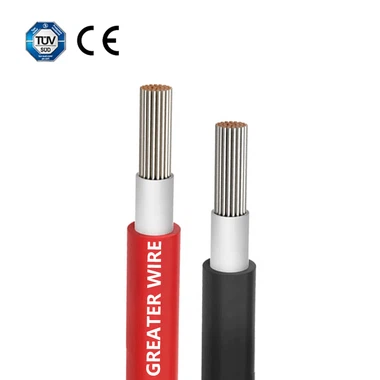
The PV1-F cable is designed for use in solar power systems, and its fire protection level is an essential factor in determining its safety and compliance with international standards. The fire protection level of PV1-F cables is primarily defined by the materials used in its insulation and outer sheath, as well as its ability to withstand fire conditions without posing a risk to the system or the surrounding environment.
1.1 Fire Resistance Standards for PV1-F Cable
The fire protection level of PV1-F cables is usually governed by international standards, such as IEC 60332, IEC 60754, and IEC 61034. These standards provide specific requirements for the flame retardancy, fire propagation resistance, and smoke emission of cables used in electrical installations, including solar cables.
IEC 60332-1: This standard defines the requirements for the flammability of cables. It tests how a cable responds to an external fire source. Cables that pass this test are classified as flame retardant or low smoke cables.
IEC 60754-1: This standard focuses on acid gas emission during combustion. Cables with low acid gas emission are considered safer in case of fire, as they reduce the risk of toxic fumes.
IEC 61034-2: This standard defines the smoke density of cables when exposed to fire. The PV1-F cable is tested to ensure that it emits minimal smoke during a fire, which is important for visibility and escape routes in the event of an emergency.
Most PV1-F cables comply with these standards to ensure that they can withstand various fire hazards and prevent the spread of flames. These cables are typically flame retardant and are classified according to their performance in fire-related tests.
1.2 Flame Retardant Properties
The PV1-F cable is manufactured with a flame retardant outer sheath and insulation material to prevent the propagation of flames. The cable's materials are designed to self-extinguish once the source of the fire is removed, thereby preventing the fire from spreading along the cable and reducing the overall fire hazard in the system.
Flame-retardant cables like PV1-F have been designed to comply with the IEC 60332 standard, meaning they are able to resist flame propagation for a specified period of time during fire exposure.
Low smoke zero halogen (LSZH) versions of PV1-F cables are available to minimize the release of toxic smoke and gases during combustion, which is important in areas where the cable might be used in confined spaces or public buildings.
By complying with these standards, PV1-F cables ensure a high level of fire protection, reducing the risk of fire-related damage in solar power systems.
2. Importance of Fire Protection in Solar Cables
Given the growing use of solar energy in residential, commercial, and industrial settings, ensuring the fire safety of solar cables is of paramount importance. Fire protection in solar wires is crucial for several reasons:
2.1 Overheating and Electrical Fires
Solar cables are responsible for carrying electricity from solar panels to the rest of the system. If the cables become overloaded or damaged, they can overheat, potentially leading to electrical fires. This risk is heightened in the case of poor cable installation, improper connections, or faulty equipment. The PV1-F cable is designed to reduce overheating risks with its fire-resistant materials, ensuring that the cable will not easily catch fire even under extreme conditions.
2.2 Prevention of Fire Spread
The fire protection level of a solar cable like PV1-F is especially important in preventing the spread of fire to surrounding materials. Solar cables are typically installed in roofs, attics, or other areas where there are combustible materials nearby. If a fire were to break out, cables with low flame propagation characteristics can help prevent the fire from spreading quickly, giving people more time to respond.
The PV1-F cable's flame-retardant sheath ensures that flames do not travel along the cable, potentially igniting nearby building materials or components of the solar system. This is especially important in reducing the risk of damage to solar inverters, batteries, and other sensitive equipment.
2.3 Safety for End-Users
The safety of the end-users is the primary concern when selecting solar cables. Cables with poor fire resistance can lead to serious hazards, including injury, property damage, or even loss of life. By using cables like PV1-F, which are specifically designed to meet fire safety standards, installers and system designers can ensure that solar power systems are safe and compliant with local regulations.
3. Comparison of PV1-F Cable with Other Solar Cables
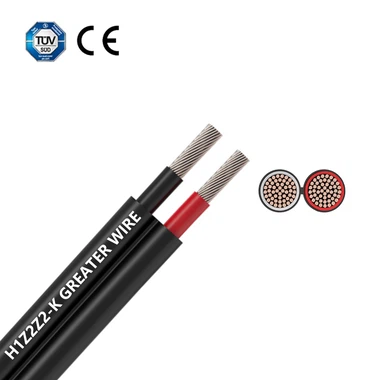
While the PV1-F cable is a popular choice for many solar installations, it's important to compare it with other solar cables, such as H1Z2Z2-K and PV2 cables, in terms of fire protection.
3.1 H1Z2Z2-K Cable
The H1Z2Z2-K cable, commonly used in solar power systems, also provides good fire protection due to its cross-linked polyethylene (XLPE) insulation and outer sheath. Like PV1-F cables, H1Z2Z2-K cables are typically flame-retardant and meet similar fire safety standards like IEC 60332. However, H1Z2Z2-K cables are generally more focused on high voltage applications, making them suitable for commercial and industrial solar systems.
The H1Z2Z2-K cable may offer enhanced fire protection for high-voltage systems, especially if the cables are run in areas with increased fire risks.
PV1-F cables are more suitable for residential solar systems, where fire protection and ease of installation are the main concerns.
3.2 PV2 Cables
PV2 cables are designed for use in high-voltage solar systems, and they often feature fire-resistant materials such as LSZH (Low Smoke Zero Halogen) and XLPE. They offer similar fire safety standards as PV1-F cables, but are generally rated for higher voltages and are often used in larger solar power plants or commercial systems.
PV1-F cables are typically more flexible and can handle the specific fire protection needs of residential and small-scale commercial systems.
PV2 cables, with their higher voltage ratings, may offer slightly more robust fire protection due to the need for enhanced insulation and flame retardancy in larger systems.
4. How to Ensure Fire Safety with PV1-F Cables
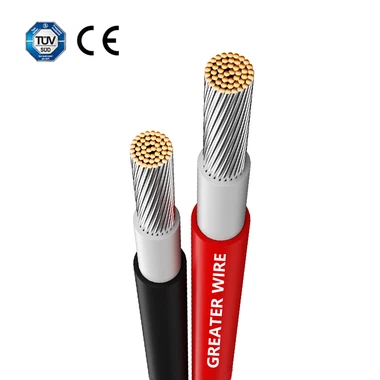
To ensure the fire safety of a solar power system using PV1-F cables, it's important to adhere to proper installation and maintenance procedures. Here are some key guidelines to follow:
4.1 Proper Cable Installation
Ensure that solar cables are installed according to the manufacturer's instructions and in compliance with local electrical codes.
Use cable protection conduits where necessary, especially in areas where cables may be exposed to physical damage, which could lead to overheating or electrical faults.
4.2 Regular Inspections
Solar systems should be inspected regularly for signs of wear and tear on the cables, especially the outer sheath. Look for cracks, abrasions, or discoloration that may indicate damage.
Perform thermal imaging inspections to identify any hot spots in the system, which could signal the potential for overheating.
4.3 Compliance with Fire Safety Regulations
Choose solar cables like PV1-F that comply with international fire safety standards. Ensure that your system is designed and installed to meet local regulations for fire protection.
In regions with higher fire risks, consider using cables with additional fire-resistant features, such as LSZH versions of PV1-F cables.