

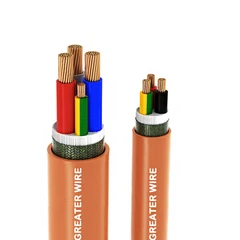
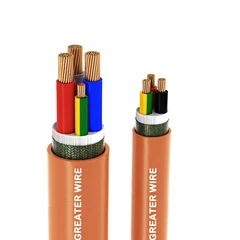

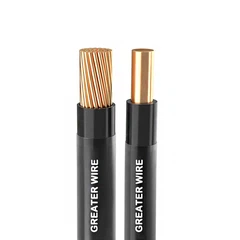
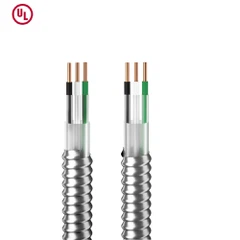
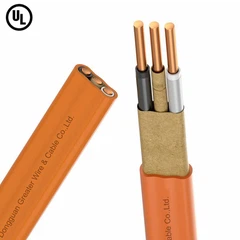
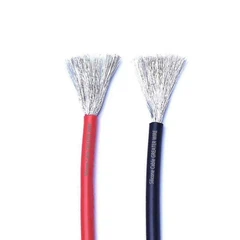
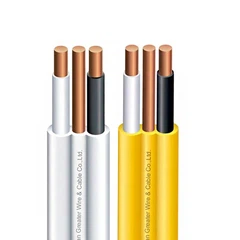
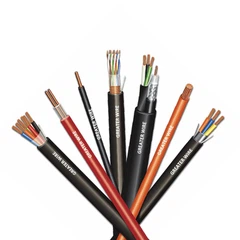

The TPS cable (Thermoplastic Sheathed Cable) is a versatile and widely used electrical cable that provides an essential function in a variety of installations. From residential homes to industrial facilities, TPS electrical cables are employed in a range of applications to safely transmit electrical power, signals, and data. Understanding what a TPS cable is connected to is crucial for its proper installation, ensuring safety, compliance with electrical standards, and efficient operation of the connected systems.
This article will explore what TPS cables are connected to, the types of devices and systems they power, and the different configurations of flat TPS cables versus standard TPS cables. We will also cover the factors that influence the connection of TPS cables, including voltage ratings, load capacity, and safety considerations.


1. Overview of TPS Cables
Before delving into what a TPS cable is connected to, let's first define what a TPS cable is and its key features.
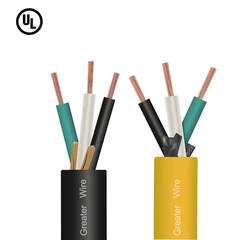
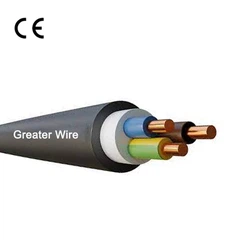
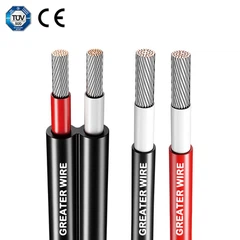
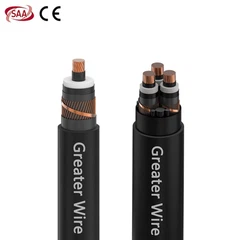
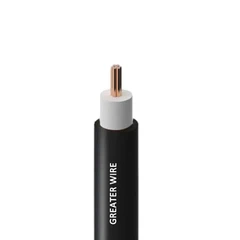
A TPS cable consists of several layers that provide both electrical conductivity and protection:
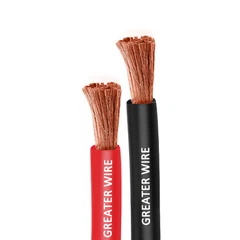
Conductor: Usually made from copper or aluminum, the conductor is the core component that carries the electrical current.
Insulation: The insulation layer, typically made of PVC, surrounds the conductor to prevent electrical leakage, short circuits, and exposure to external elements.
Sheath: The outer layer of the cable, which acts as a protective barrier to shield the cable from environmental damage like moisture, physical impacts, and UV rays.
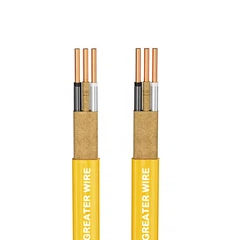
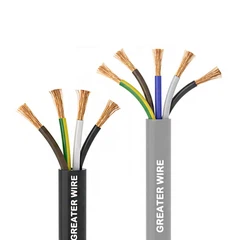
These cables come in various forms, including the standard TPS cable and flat TPS cables, which differ in their construction and flexibility. Flat TPS cables are particularly suited for applications where space is limited or where high flexibility is needed, such as in power cords or industrial applications with confined spaces.

2. Devices and Systems TPS Cables are Connected To
TPS cables are versatile and can be used to connect a wide range of devices, appliances, and systems. Let's break down some of the primary applications for TPS electrical cables:
2.1 Residential Connections
In residential settings, TPS cables are primarily used for general wiring. They connect electrical outlets, lighting systems, and appliances to the electrical power supply. Common devices and systems connected by TPS electrical cables in homes include:
Light Fixtures: TPS cables are used to wire light switches, outlets, and light fixtures. The cable connects the power source (usually a circuit breaker) to the light fixtures, providing the necessary electrical current for operation.
Household Appliances: TPS cables provide power to major appliances, such as refrigerators, microwaves, washing machines, and air conditioning units. These cables ensure safe and efficient power transmission.
Electrical Outlets: TPS cables are used to connect electrical outlets (also called receptacles) to the main electrical panel, allowing devices like computers, TVs, and lamps to draw power.
2.2 Commercial Installations
In commercial buildings, TPS electrical cables connect electrical systems to various devices and infrastructure components. These installations include:
HVAC Systems: Heating, Ventilation, and Air Conditioning systems rely on TPS cables to transmit power from the electrical panel to the system's components, including fans, compressors, and thermostats.
Lighting Systems: Just like residential installations, TPS cables are used to wire lighting fixtures in commercial spaces, such as offices, retail shops, restaurants, and warehouses.
Security and Fire Alarm Systems: TPS cables are commonly used in the installation of security systems, including CCTV cameras, alarm systems, and motion detectors, ensuring proper operation and reliability.
Data Centers: In data centers, TPS cables may be used to power servers, routers, and other critical networking equipment, offering flexibility and protection against electrical hazards.
2.3 Industrial Applications
In industrial settings, TPS cables are widely used to connect heavy machinery, equipment, and control systems. Some of the most common applications include:
Machinery: TPS cables are used to supply power to industrial machines, including conveyor belts, presses, and motors. The cables connect the machinery to the power grid or distribution panel, ensuring the continuous operation of manufacturing processes.
Control Panels: TPS cables are also used in industrial control panels, where they connect circuit breakers, sensors, and programmable logic controllers (PLCs) to the system's power source.
Lighting and Emergency Systems: Industrial sites, such as factories, warehouses, and construction sites, rely on TPS cables to wire emergency lighting systems, exit signs, and general lighting systems.
2.4 Outdoor and Environmental Applications
Thanks to their durability and resistance to environmental stress, TPS cables are commonly used in outdoor installations and harsh environments. These applications include:
Outdoor Lighting: Whether for street lighting, garden lights, or security lighting, TPS cables are used to wire outdoor fixtures. Their resistance to moisture and UV exposure makes them ideal for these applications.
Irrigation Systems: TPS cables are used in agricultural irrigation systems to power water pumps, valves, and sensors that manage water distribution.
Marine and Offshore Installations: In marine applications, TPS cables provide power to onboard systems such as navigation equipment, lighting, and communication devices. The cable's resistance to water and mechanical damage makes it well-suited for these environments.

3. Flat TPS Cables and Their Specific Applications
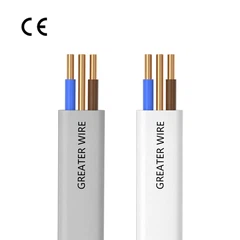
Flat TPS cables are a subtype of TPS cables, characterized by their flat design that allows for more flexibility and compactness than traditional round cables. This makes flat TPS cables ideal for certain specific applications where space is limited or where high flexibility is needed.
3.1 Home Appliances and Power Cords
One of the most common uses of flat TPS cables is in power cords for home appliances. Flat TPS cables are used to connect appliances such as toasters, blenders, televisions, and computer chargers to power outlets. Their compact design makes them easier to manage, especially when the appliances are placed in tight spaces.
3.2 Flexible Wiring in Industrial Settings
In industrial applications, flat TPS cables are often used for flexible wiring between equipment, control panels, and electrical outlets. Their flat structure allows them to be routed through narrow spaces, such as within machinery or along walls, without taking up excessive space or creating interference.
3.3 Automotive Applications
Flat TPS cables are often found in automotive wiring systems, connecting various electrical components such as lights, sensors, and power accessories. The flexible nature of the flat TPS cable allows it to be routed easily through confined spaces within the vehicle's engine bay or cabin.

4. Connection Considerations
When connecting a TPS cable to a device or system, several factors should be taken into account to ensure proper operation and safety:
4.1 Voltage and Current Ratings
One of the most important considerations when selecting a TPS cable is ensuring that the cable is rated for the voltage and current requirements of the system. TPS cables are typically designed for low-voltage residential and commercial applications, with voltage ratings typically up to 600V. However, higher-rated cables are available for industrial applications where higher voltages are required.
4.2 Load Capacity
The load capacity of a TPS cable refers to the amount of current the cable can safely carry. The gauge or thickness of the conductor determines the cable's load capacity. Using a TPS cable that is too thin for the current can lead to overheating, potential fire hazards, or power loss.
4.3 Environmental Conditions
The installation environment plays a critical role in determining the appropriate TPS cable for the job. For outdoor or harsh environments, cables with enhanced protective sheaths and insulation materials that are resistant to moisture, UV rays, and extreme temperatures should be used.
4.4 Compliance with Safety Standards
TPS cables must comply with local and international safety standards to ensure they meet the required safety guidelines for electrical installations. These standards typically cover aspects such as insulation strength, flame retardance, and environmental resistance.