


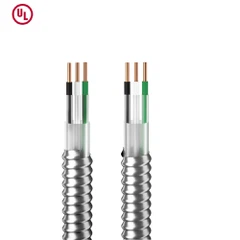
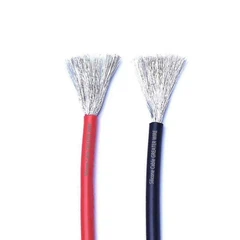

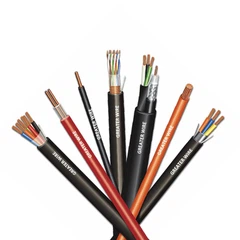
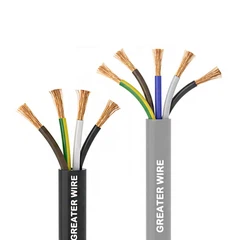
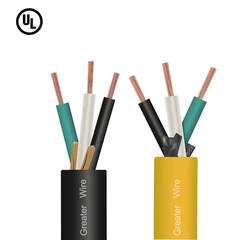
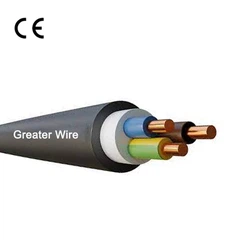
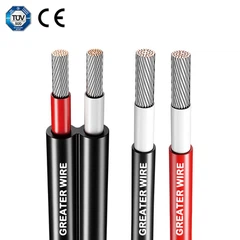

The TPS cable (Thermoplastic Sheathed Cable) is an essential component of modern electrical systems, offering a combination of safety, flexibility, and durability across various applications. Whether in residential, commercial, or industrial settings, TPS electrical cables play a critical role in connecting electrical devices, machinery, and infrastructure to the power supply. In this article, we will explore the key characteristics, types, and applications of TPS cables, with a focus on the flat TPS variety, and how they meet different electrical needs.


1. Understanding TPS Cable
A TPS cable refers to an electrical cable that is typically made up of one or more conductors surrounded by insulation and a protective sheath. The primary component of a TPS electrical cable is its thermoplastic sheathing, which provides mechanical protection and electrical insulation to the conductors inside. The insulation and sheath are typically made from materials like PVC (Polyvinyl Chloride), which provides durability, fire resistance, and resistance to moisture.
1.1 Key Components of a TPS Cable
A typical TPS cable consists of the following components:
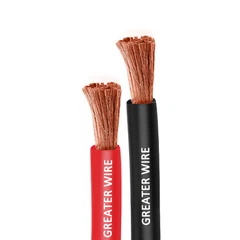
Conductors: These are the metal cores, usually made of copper or aluminum, which carry the electrical current. Copper is the preferred material due to its excellent electrical conductivity and flexibility.
Insulation: The conductors are covered in a layer of insulating material, typically made of thermoplastic materials such as PVC. This insulation prevents the conductors from short-circuiting and protects against electrical leakage.
Sheath: Surrounding the insulated conductors is an outer sheath made from a durable thermoplastic material. This sheath provides additional protection against physical damage, moisture, and certain chemicals.
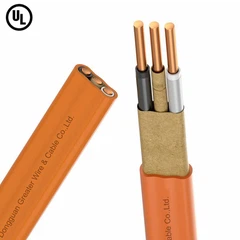
1.2 Construction of Flat TPS Cables
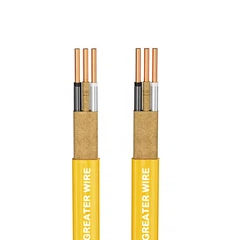
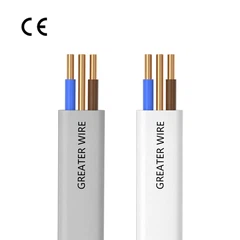
A flat TPS cable is a variation of the standard TPS cable. The key difference lies in its shape: rather than being a round cable, the flat TPS cable is designed with a flat profile, making it more flexible and suited to applications where space is restricted or high flexibility is required.

2. Types of TPS Cables
TPS cables come in various configurations, depending on their intended application. The two most common types are:
2.1 Single-Core TPS Cables
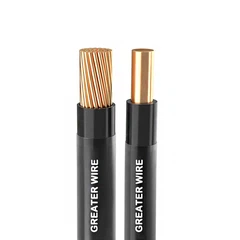
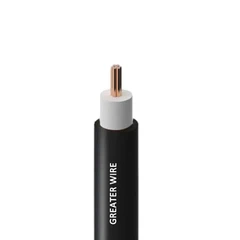
Single-core TPS cables are commonly used in situations where only one conductor is needed, such as for connecting a single device or for circuits requiring a single phase. These cables are often used in residential applications to connect appliances to the power supply.
2.2 Multi-Core TPS Cables
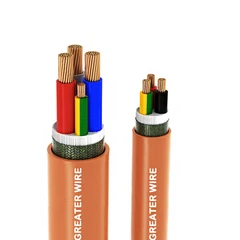
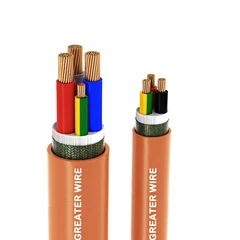
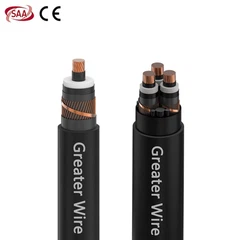
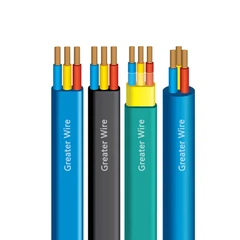
Multi-core TPS cables contain multiple conductors, which allow them to carry several current-carrying paths simultaneously. These cables are often used in commercial and industrial applications where multiple devices or systems need to be connected. Multi-core TPS electrical cables are available with two, three, or more conductors, depending on the complexity of the installation.
Two-Core TPS Cables: Typically used for simpler applications that require only two conductors, such as basic lighting or power circuits.
Three-Core TPS Cables: Commonly used in residential wiring where three-phase power is required or for appliances that require an earth connection.
Four-Core or More TPS Cables: Often used in more complex electrical installations, including commercial buildings and industrial systems, where multiple circuits and earth conductors are necessary.
2.3 Flat TPS Cables
As mentioned earlier, flat TPS cables are designed with a flat profile, making them particularly suitable for use in applications that demand flexibility and space efficiency. These cables are frequently employed in power cords, where they offer a neat and manageable design, and in industrial installations where cables need to be routed through narrow spaces.

3. Applications of TPS Cables
The versatility of TPS cables makes them suitable for a wide range of applications across different industries. Below are some of the key areas where TPS cables and flat TPS cables are used:
3.1 Residential Applications
In residential settings, TPS cables are commonly used for internal wiring. They connect electrical appliances, lighting, power outlets, and other devices to the home's power supply. TPS electrical cables are designed to meet safety standards, ensuring that they can handle the required voltage and current while also providing adequate insulation to prevent electrical hazards.
Some common residential applications include:
Lighting Circuits: TPS cables are used to wire light switches and fixtures, ensuring a safe connection between the power source and the lighting.
Appliance Wiring: TPS cables provide power to home appliances like refrigerators, washing machines, air conditioners, and microwaves.
Power Outlets: TPS electrical cables are used to wire power outlets that provide electrical connections for various devices, from phones to computers.
3.2 Commercial Applications
TPS cables are widely used in commercial buildings, such as offices, schools, retail stores, and hospitals, to provide power to lighting systems, HVAC systems, and other electrical equipment.
HVAC Systems: TPS cables are used to connect heating, ventilation, and air conditioning (HVAC) systems to the power supply. These systems are critical in maintaining indoor air quality and temperature control.
Lighting and Emergency Systems: In commercial buildings, TPS cables are used to wire general lighting and emergency lighting systems, ensuring that these systems are always operational.
Security Systems: TPS cables are also used to power security systems, including CCTV cameras, alarm systems, and access control devices.
3.3 Industrial Applications
In industrial settings, TPS cables are often used to supply power to machinery, control systems, and equipment. These cables must be durable and capable of handling harsh environmental conditions, making TPS electrical cables ideal for use in factories, warehouses, and manufacturing plants.
Some industrial applications include:
Machinery Wiring: TPS cables are used to connect machines and equipment to the electrical grid, providing the necessary power for operation.
Control Panels: TPS cables are commonly used in industrial control panels to connect switches, breakers, and sensors.
Automated Systems: TPS cables are used in robotic systems, conveyors, and other automated manufacturing equipment.
3.4 Outdoor and Environmental Applications
Due to their durability, TPS cables are also used in outdoor and environmental applications where cables are exposed to the elements.
Outdoor Lighting: TPS cables are used to wire outdoor lighting systems, including streetlights, garden lights, and security lights, providing safe and reliable power transmission.
Agricultural Systems: In agriculture, TPS cables are used to power irrigation systems, pumps, and agricultural machinery.
Marine and Offshore Applications: TPS cables are used in marine and offshore applications to supply power to equipment and systems on ships and oil platforms.

4. Advantages of TPS Cables
There are several key advantages to using TPS cables, which contribute to their widespread use in both residential and commercial applications:
4.1 Safety
TPS cables are designed to provide high levels of safety. The thermoplastic sheath offers insulation against electric shock, and the cables are built to resist damage from moisture, UV radiation, and extreme temperatures. This makes them suitable for use in a variety of environments where safety is paramount.
4.2 Flexibility
Flat TPS cables, in particular, offer enhanced flexibility due to their flat profile. This makes them easier to route through tight spaces, such as inside walls, ceilings, or conduits, and is particularly useful in installations where space is at a premium.
4.3 Durability
The thermoplastic materials used in TPS cables provide excellent protection against wear and tear. The sheath offers mechanical protection, reducing the risk of physical damage. Additionally, TPS cables are resistant to chemicals and environmental factors like UV rays, moisture, and abrasion, making them suitable for both indoor and outdoor applications.
4.4 Cost-Effective
Compared to other types of cables, TPS cables are relatively affordable, making them an attractive choice for a wide range of applications. Their durability and low maintenance needs further contribute to their cost-effectiveness.