


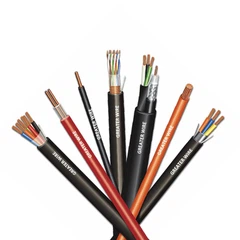
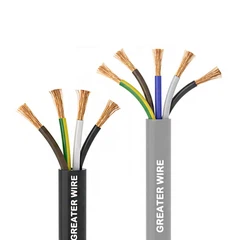
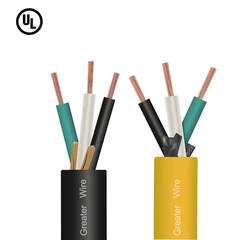
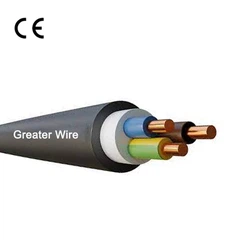

Understanding What "110°C" Really Means
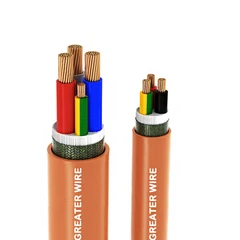
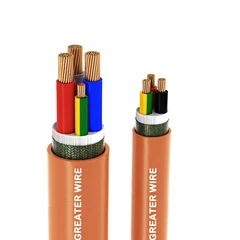
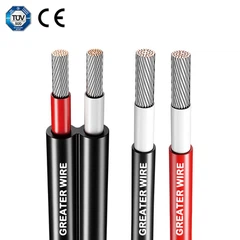
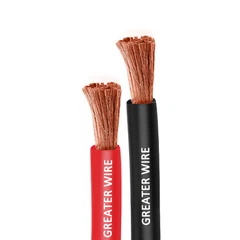
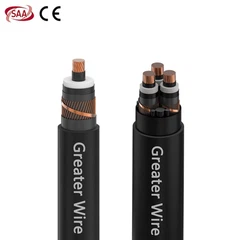
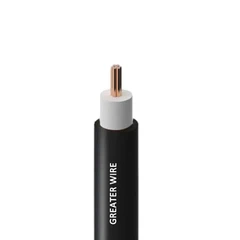
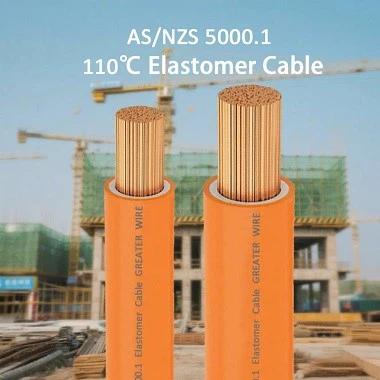
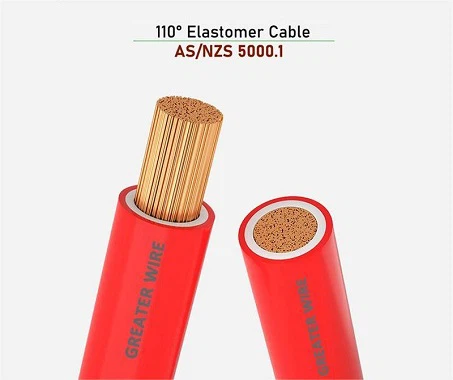
Australian standard 110° electrical wire is also known as elastomer cable.When selecting electrical wires, the "110°C" rating is often viewed as a symbol of high performance. Many users instinctively assume that if a wire can withstand high temperatures, it will also perform well in all challenging environments, including low-temperature conditions. From an engineering perspective, however, this assumption is not entirely accurate.
The 110°C rating refers to the maximum allowable continuous operating temperature of the conductor under normal service conditions. It primarily describes a wire's thermal endurance under high load or elevated ambient temperatures. This rating does not directly indicate how the wire behaves in low-temperature environments in terms of flexibility, impact resistance, or installation suitability.
Therefore, evaluating whether Australian standard 110°C electrical wires are suitable for low-temperature environments requires a deeper look into their material system and design intent.
Practical Effects of Low Temperatures on Electrical Wires
In low-temperature environments, the main challenges for electrical wires are typically mechanical rather than electrical. Common issues include:
Insulation and sheath materials becoming rigid
Reduced flexibility leading to installation stress
Increased risk of cracking under impact
Material fatigue caused by repeated thermal cycling
It is particularly important to note that installation-phase risks are often greater than operational risks. Bending, pulling, or fixing wires at low temperatures can introduce micro-damage if material flexibility is insufficient, even if operating temperatures later return to normal.
As a result, assessing low-temperature suitability focuses on whether the insulation and sheath can maintain adequate elasticity and mechanical integrity in cold conditions.
Performance of Australian Standard 110°C Wires in Low-Temperature Conditions
From a material performance perspective, X-HF-110 elastomer insulation offers clear advantages over PVC. Elastomeric materials exhibit more gradual changes in physical properties across temperature ranges, rather than the rapid stiffening typically seen in PVC at low temperatures.
This allows X-HF-110 cables to demonstrate:
Better flexibility retention at low temperatures
Improved resistance to micro-cracking
Enhanced tolerance to thermal cycling
Additionally, the HFS-110-TP sheath, as a low-smoke, halogen-free elastomeric material, provides superior low-temperature impact resistance compared with standard LSZH or PVC sheaths.
That said, it is important to clarify:
These elastomer insulated cables are suitable for general or moderately low-temperature environments
They are not specifically designed for extreme or continuous sub-zero conditions
Typical Low-Temperature Applications and Limitations
In practical engineering applications, Australian standard 110°C wires can be reliably used in:
Outdoor fixed installations subject to daily or seasonal temperature variations
Industrial facilities, warehouses, and plant rooms without climate control
Wiring near cold storage areas, such as control panels adjacent to cold rooms
Semi-enclosed spaces with intermittent low temperatures
In these scenarios, the elasticity of elastomer cables effectively reduces mechanical stress caused by cold conditions.
However, these wires are not recommended for:
Long-term exposure to extreme low temperatures (e.g. deep-freeze environments)
Applications involving frequent movement or bending at low temperatures
Projects with explicitly specified minimum operating temperature requirements
In such cases, cables specifically designed and rated for low-temperature service should be selected.
Selection and Installation Recommendations
When low-temperature conditions are a factor, engineers and installers should consider:
Confirming that the product is an elastomer insulated cable, not standard PVC
Reviewing manufacturer guidance on minimum recommended installation temperatures
Avoiding aggressive bending or pulling during installation in cold conditions
Aligning selection with AS/NZS standards and real-site environmental conditions
When applied within their intended range, X-HF-110 / HFS-110-TP cables offer greater safety margins and longer service life than conventional wires.
Properly Understanding the Low-Temperature Capability of Australian Standard 110°C Wires
In conclusion, Australian standard 110°C electrical wires should not be viewed as either "high-temperature-only" or "universally low-temperature resistant." Their true value lies in:
An elastomer cable construction
X-HF-110 insulation combined with HFS-110-TP sheathing
Stable mechanical and electrical performance across a wide, but defined, temperature range
For general low-temperature or variable-temperature environments, these elastomer insulated cables represent a reliable and well-balanced solution. For extreme or highly dynamic low-temperature applications, however, purpose-designed cold-resistant cables remain the appropriate choice.
Understanding the intended operating limits of the product is far more important than relying solely on its high-temperature rating.
Please consult with an engineer or contact us to select the most suitable wire specifications based on your specific application scenario.


At Dongguan Greater Wire & Cable Co., Ltd., we understand that choosing the right wire and cable solutions is critical to the success and safety of your projects.
Our experienced pre-sales and after-sales teams provide:
Professional technical consultation
Accurate product selection and application guidance
Fast and responsive support throughout the entire project lifecycle
Whether you are working on small-scale installations or large industrial projects, we are committed to delivering reliable solutions and practical support tailored to your specific requirements.
Contact Us
Dongguan Greater Wire & Cable Co., Ltd.
📞 Tel / WhatsApp / WeChat
+86 135 1078 4550
+86 136 6257 9592
📧 Email
manager01@greaterwire.com
We look forward to supporting your next project with quality products, technical expertise, and dependable service.