

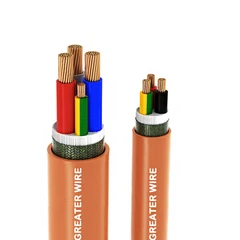
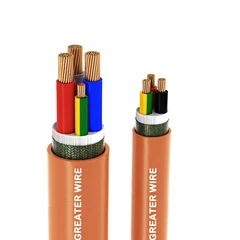

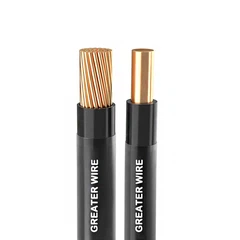
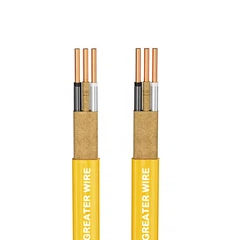
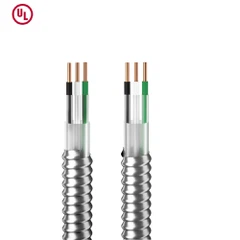
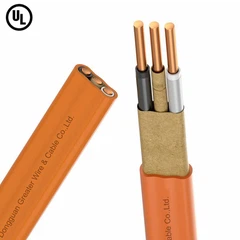
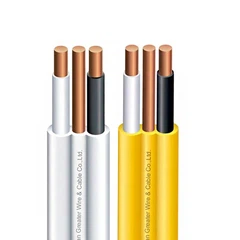
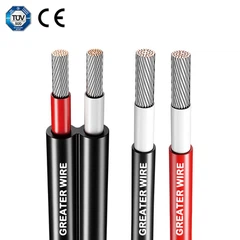

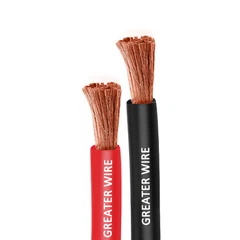
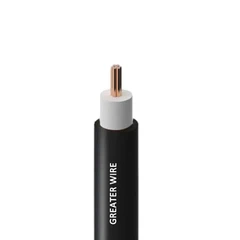
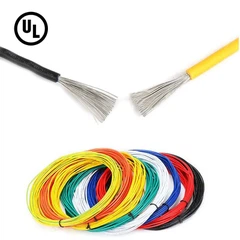
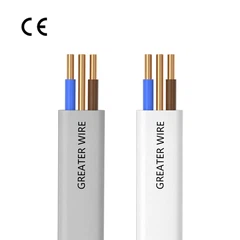
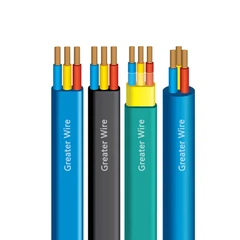
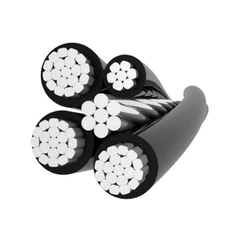
For electrical contractors, industrial purchasers, and building engineering teams selecting low-voltage power distribution wires, XHHW-2 vs RHW-2 Wire is one of the most confusing technical distinctions. Both are UL 44 listed thermoset copper building wires rated 600V, widely used for conduit wiring, feeder circuits, and underground laying in commercial and industrial projects. However, their insulation structure, temperature rating, wet-location performance, and environmental durability differ greatly - especially in tropical high-humidity regions like the Philippines and Southeast Asia.
Choosing the wrong wire will lead to insulation aging, reduced ampacity, project inspection failure, or premature replacement costs. In this article, we deliver a clear, project-oriented comparison between UL 44 Copper XHHW/XHHW-2 Wire and RHW-2 wire, focusing on construction differences, electrical ratings, and real-world application boundaries.

1. Core Construction Difference: XLPE Insulation vs Rubber Insulation
The fundamental gap between the two wires comes from their insulation materials, which determine lifespan, abrasion resistance, and climate adaptability.
XHHW-2 Wire Construction
XLPE Insulated Copper XHHW-2 Wire adopts cross-linked polyethylene thermoset insulation. After professional cross-linking treatment, the insulation forms a dense, stable molecular structure that will not melt, soften, or deform under continuous high temperature. The smooth outer jacket creates low friction, allowing easy pulling in long and multi-bend conduits without scratching.
Most project-grade models adopt stranded copper conductors for flexible routing and consistent conductivity, making it ideal for standardized industrial and commercial wiring systems.
RHW-2 Wire Construction
RHW-2 uses traditional thermoset rubber insulation. It features excellent flexibility and low-temperature toughness, but its loose molecular structure brings obvious drawbacks: high moisture absorption, poor oil resistance, and weak UV resistance. Rubber insulation is thicker and heavier, increasing installation difficulty for large-scale trunk wiring projects. In humid tropical environments, rubber insulation ages much faster than XLPE.

2. UL 44 Electrical & Temperature Rating Comparison
Both wires comply with UL 44 standards and carry 600V voltage ratings, but their wet/dry temperature tolerance is the key selection standard for engineering projects.
XHHW-2: 90°C Wet and Dry Full-Range Rating
90°C Wet and Dry XHHW-2 Copper Wire supports continuous 90°C maximum operating temperature in both dry indoor locations and wet buried environments. It maintains stable insulation resistance and consistent ampacity under long-term heavy-load operation, making it the reliable solution for Copper XHHW-2 Wire for Feeder Circuits in industrial parks, mall trunk lines, and warehouse power distribution systems.
RHW-2: Limited Wet Location Performance
RHW-2 only supports 90°C working temperature in dry locations. Once installed in wet conduits, underground buried pipelines, or high-humidity environments, its safe operating temperature drops to 75°C. Long-term high humidity and heat will accelerate rubber aging, causing insulation degradation, leakage risks, and unstable current transmission.
3. Environmental Adaptability & On-Site Durability
For tropical climate Philippines and Southeast Asian regions, environmental resistance is the most critical advantage of XHHW-2 over RHW-2.
XHHW-2 Wire features outstanding moisture resistance, heat resistance, oil resistance, and sunlight resistance. The compact XLPE insulation completely isolates groundwater, humid air, industrial oil stains, and chemical corrosion. It can serve stably for decades in open cable trays, damp underground conduits, and high-temperature factory workshops.
RHW-2 Wire is only suitable for mild and dry conventional environments. It cannot resist long-term UV exposure, industrial oil pollution, or continuous damp conditions, so it is not recommended for industrial heavy-load and outdoor buried projects in tropical regions.

4. Project Application Scenario Guide
4.1 Best Applications for XHHW-2 Wire
As a high-performance UL44 certified copper building wire, XHHW-2 is prioritized for high-standard and harsh-condition projects:
Industrial heavy-load feeder circuits and main power trunk wiring
Underground conduit wiring in tropical high-humidity areas
Cable tray wiring for warehouses, commercial buildings, and industrial zones
Data center, hospital, and uninterrupted critical power systems
Oil & chemical industrial plant corrosion-resistant wiring
4.2 Suitable Applications for RHW-2 Wire
RHW-2 is cost-effective for conventional low-load building projects with mild environments:
Ordinary residential and commercial building branch circuits
Dry indoor concealed conduit wiring
Low-temperature region building wiring relying on rubber flexibility
Short-distance, low-load general power distribution projects
5. Quick Selection Rule for Contractors
Choose XHHW-2 if your project requires wet location installation, long-term heavy load, outdoor exposure, industrial pollution resistance, or tropical climate adaptability. It delivers higher safety, stable ampacity, and longer service life.
Choose RHW-2 for ordinary dry indoor low-load projects to control budget without sacrificing basic electrical safety.
FAQ
Q1: Are XHHW-2 and RHW-2 both UL 44 certified?
Yes. Both are standard UL 44 thermoset insulated 600V copper building wires and comply with NEC building wiring standards. The difference lies in insulation material and wet-location temperature rating.
Q2: Can RHW-2 replace XHHW-2 in wet underground conduit?
No. RHW-2 has a reduced 75°C temperature rating in wet locations and poor moisture resistance. Replacing XHHW-2 with RHW-2 in damp buried environments will cause accelerated aging and hidden safety hazards.
Q3: Why is XHHW-2 more popular for Philippine tropical projects?
The 90°C full wet/dry rating, XLPE anti-aging insulation, and strong moisture & heat resistance perfectly adapt to the Philippines' year-round high temperature and high humidity climate, ensuring long-term stable operation of power systems.
Q4: Is XHHW-2 wire harder to pull than RHW-2?
No. XHHW-2's smooth XLPE outer surface provides lower friction than rubber-based RHW-2, making conduit pulling easier and faster on construction sites.
Final Verdict
When comparing XHHW-2 vs RHW-2 Wire, XHHW-2 with XLPE Insulated Copper XHHW-2 Wire structure is the upgraded, high-performance solution for modern industrial and tropical commercial projects. It outperforms RHW-2 in temperature resistance, wet-location safety, environmental durability, and long-term power stability. For contractors and distributors focusing on high-pass-rate, low-maintenance engineering projects, UL 44 certified XHHW-2 wire is the preferred copper building wire for feeder circuits and harsh-environment wiring.
Get Premium UL 44 XHHW-2 & RHW-2 Copper Building Wire from Professional Factory
Dongguan Greater Wire & Cable Co., Ltd. is a professional manufacturer specializing in UL-listed thermoset insulated building wires. We supply full-spec Copper XHHW/XHHW-2 Wire and standard RHW-2 wire with complete certification, stable quality, and factory bulk price. Support customized specifications, OEM packaging, and fast FCL shipment for Philippines, Southeast Asia and global engineering projects. All wires strictly comply with UL 44 and NEC standards, fully qualified for commercial, industrial and tropical wet-location construction wiring.
Contact Us for Free Quotation & Technical Support
Tel/WhatsApp/Wechat: +86 136 6257 9592
Tel/WhatsApp/Wechat: +86 135 1078 4550
Email: manager01@greaterwire.com
Website: www.greaterwire.com