


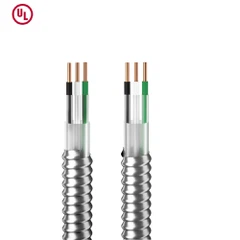
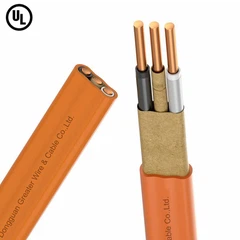
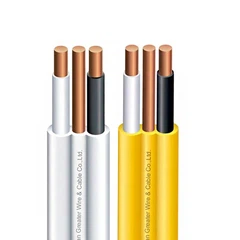

In modern power distribution systems and industrial projects, cable selection plays a critical role. Different types of cables vary significantly in terms of performance, applicable environments, cost, and installation methods. Among them, SWA cable (Steel Wire Armoured Cable) has become a popular choice due to its excellent mechanical protection and reliable electrical properties. It is widely used in commercial buildings, factories, underground installations, mining sites, and other demanding environments.
However, SWA cable is not always the perfect solution for every application. While it offers outstanding advantages, it also comes with some disadvantages. To make the right decision, engineers, project managers, and procurement teams must consider multiple factors such as environment, budget, and technical requirements.
This article provides a full comparison of the advantages and disadvantages of SWA cable, along with a practical comparison with other types of cables, such as NYY cable, to help you select the most suitable option for your project.
What Is SWA Cable?
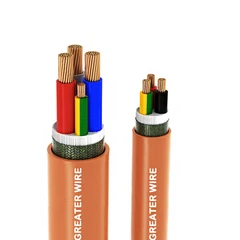
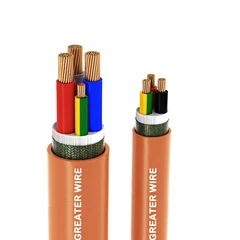
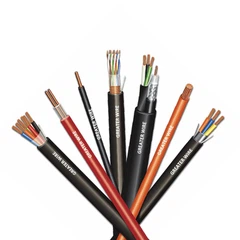
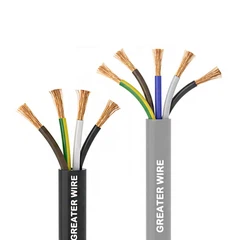
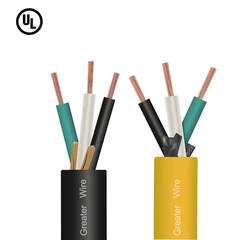
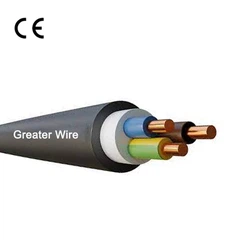
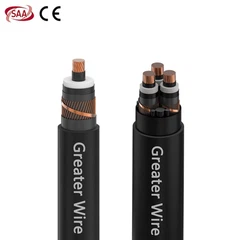
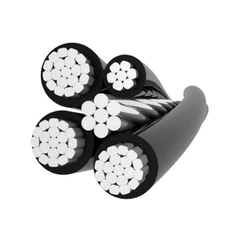
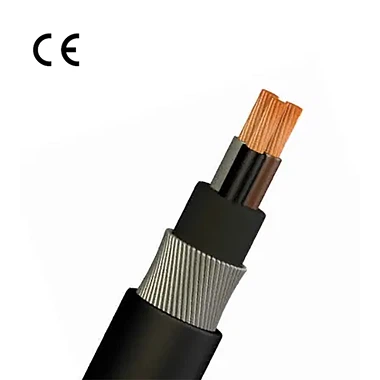
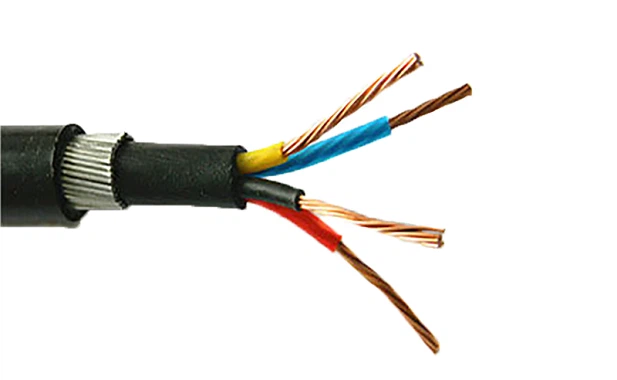
SWA cable, or Steel Wire Armoured Cable, is a type of armoured power cable that adds a steel wire armoured layer outside of the insulation, offering enhanced mechanical protection. Its typical structure includes:
1.Conductor: Copper or aluminum, determining conductivity.
2.Insulation: Usually PVC or XLPE, ensuring stable electrical performance.
3.Steel Wire Armour: Galvanized steel wires that provide resistance against impact, crushing, and mechanical stress.
4.Outer Sheath: Typically PVC, improving resistance to weather, water, and corrosion.
Common applications of SWA cable include:
·Power supply for commercial buildings (offices, shopping malls, hotels).
·Industrial plants and heavy machinery.
·Mining, energy projects, and power plants.
·Transportation infrastructure such as airports, subways, and railways.
·Outdoor and underground installations (park lighting, road projects, temporary power supply).
Thanks to its robust structure and reliability, SWA cable is the preferred solution for environments requiring safety and long-term performance.
Common Specifications and Applications of SWA Cable
| Cable Type | Conductor Size Range | Voltage Rating | Typical Applications |
|---|---|---|---|
| 2-core SWA Cable | 16mm² – 400mm² | 0.6/1kV | Single-phase circuits, outdoor lighting, temporary power |
| 3-core SWA Cable | 16mm² – 500mm² | 0.6/1kV | Industrial motors, building distribution systems |
| 4-core SWA Cable | 16mm² – 630mm² | 0.6/1kV | Three-phase power transmission, commercial complexes |
| 5-core SWA Cable | 16mm² – 400mm² | 0.6/1kV | Control systems, data centers, hospitals |
| XLPE SWA Cable | 16mm² – 800mm² | 6kV – 33kV | High-voltage power lines, mining, power stations |
| PVC SWA Cable | 16mm² – 500mm² | 0.6/1kV | Outdoor wiring, underground cables, standard distribution |
From the table above, it is clear that different specifications of SWA cables are designed for different environments. Choosing the right type depends on load requirements, voltage level, and installation conditions.
Advantages of SWA Cable
1.Strong Mechanical Protection
The steel wire armour makes SWA cables highly resistant to crushing, impact, and external damage, making them ideal for underground installations and heavy-duty environments.
2.Durability and Long Service Life
SWA cables are built for long-term use, even in harsh environments such as moisture, corrosion, and high mechanical stress. This reduces maintenance costs and ensures stable operation.
3.High Safety Performance
The armoured layer significantly lowers the risk of electrical faults or fire hazards. Combined with proper earthing, SWA cable provides a safer and more reliable power system.
4.Stable Electrical Properties
XLPE SWA cables perform better in high-temperature and high-load applications, while PVC SWA cables provide a cost-effective option for standard distribution needs.
Disadvantages of SWA Cable
1.Heavier Weight
The steel armour makes SWA cables significantly heavier than unarmoured cables, increasing handling and installation costs.
2.Limited Flexibility
Compared with flexible cables like RV-K cable, SWA cables are less suitable for tight bends or frequent movement.
3.Higher Cost
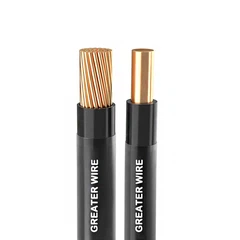
The additional materials and complex structure make SWA cables more expensive than simpler alternatives such as NYY cable or unarmoured power cables.
SWA Cable vs. NYY Cable
| Comparison Aspect | SWA Cable | NYY Cable |
|---|---|---|
| Mechanical Protection | Steel wire armour provides excellent impact resistance | No armour, limited protection |
| Installation Environment | Ideal for underground, outdoor, and heavy-duty industrial use | Suitable for indoor wiring and light applications |
| Cost | Higher due to armour | More economical |
| Service Life | Longer, reliable in harsh environments | Shorter, best for standard applications |
👉 The comparison shows that SWA cable is more suitable for demanding environments, while NYY cable is a cost-effective solution for standard building installations.
Application Recommendations
·Commercial Buildings – Use NYY cable for cost efficiency indoors; SWA cable for underground or outdoor installations.
·Industrial and Mining Projects – SWA cable is the best option for durability and safety.
·Underground and Outdoor Wiring – SWA cable ensures stable performance and protection.
·General Indoor Wiring – NYY cable or flexible alternatives are more economical and easier to install.

Installation Methods of SWA Cable
1.Preparation
·Check cable specifications against design requirements.
·Inspect the cable for any visible damage.
·Clear the installation path to remove sharp objects or obstacles.
2.Installation Techniques
·Direct Buried: Lay SWA cable in a sand bed with warning tape above.
·Cable Trays: Common in factories and commercial buildings for easier maintenance.
·Conduit Installation: Provides extra protection in sensitive environments.
3.Joints and Terminations
·Use compression glands for secure sealing and waterproofing.
·Ensure proper grounding of the armoured layer to prevent electrical faults.
4.Important Notes
·Follow the minimum bending radius requirements.
·Avoid exceeding the maximum pulling tension.
·Keep installation dry to prevent moisture damage.
Our Product Strengths
·Wide Product Range: We specialize in IEC standard cables, with a full portfolio of power cables.
·Compliance with International Standards: Fully compliant with American and global market requirements.
·Comprehensive Specifications: Coverage from 16mm and above, supporting most project needs.
·Fast Delivery: Capable of both small and bulk orders with quick turnaround.
·Strong Technical Support: Professional guidance, worry-free pre-sales and after-sales service.
·Global Cooperation: Years of manufacturing and export experience, with partners worldwide.
·Certified Quality: All cables are IEC certified, ensuring safety and reliability.
·Customizable Options: Materials, specifications, lengths, colors, performance, markings, and packaging can all be tailored to customer requirements.
Dongguan Greater Wire & Cable Co., Ltd.
Company Name: Dongguan Greater Wire & Cable Co., Ltd.
Contact Information:
·Tel/WhatsApp/Wechat: +86 135 1078 4550 / +86 136 6257 9592
·Email: manager01@greaterwire.com
We are committed to delivering high-quality cable solutions for global clients. Whether you are working on a large-scale infrastructure project or a standard distribution system, our SWA cables and other IEC-compliant products are designed to meet your needs with reliability, safety, and efficiency.