



On any commercial building project, power distribution feeder wiring represents one of the largest shares of the total electrical material budget. As copper prices continue to rise, more project buyers and contractors are asking whether aluminum XHHW-2 wire can deliver stable, reliable performance at a lower budget.
The short answer is yes: when sized and specified correctly, aluminum XHHW-2 building wire is a safe, cost-effective solution for large-scale commercial power distribution and long-run feeder wiring. However, many teams hold legitimate concerns about aluminum's conductivity, long-term reliability, and code compliance, and rushing into a switch without rigorous calculation often leads to underperformance or inspection delays.
This guide breaks down everything you need to know about 600V aluminum XHHW-2 feeder wiring for commercial building projects, including performance tradeoffs and a step-by-step selection workflow, so you can reduce costs without cutting engineering standards.

1. Why Aluminum XHHW-2 Is Gaining Traction in Commercial Power Distribution
The industry shift toward aluminum feeder cable is not a passing trend - it is driven by persistent market cost pressure, paired with insulation technology upgrades that make modern aluminum wire far more reliable than older generations.
1.1 Copper Cost Pressure: The Core Driver for Buyers to Reassess Feeder Wiring Options
On large commercial builds, feeder circuits often run hundreds of feet across multiple floors and vertical risers, and conductor material accounts for a huge portion of the electrical budget. Even a moderate increase in copper prices can add tens of thousands of dollars in unplanned costs for a single set of main distribution feeders, directly eroding project profit margins.
This is the core pain point driving interest in aluminum alternatives: commercial project buyers face heavy pressure from soaring copper prices and look for lower-cost alternatives for power distribution, but they doubt aluminum wire's conductivity, safety reliability and code compliance in formal commercial buildings. Many teams still carry outdated assumptions about aluminum wiring from decades-old product generations and hesitate to make the switch.
1.2 XLPE Insulation: The Performance Foundation of Aluminum XHHW-2 Building Wire
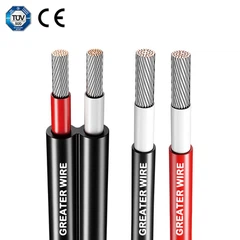
Not all aluminum building wire delivers the same level of performance. XLPE insulated aluminum feeder cable uses cross-linked polyethylene insulation - the same premium insulation material found in high-grade copper XHHW-2 products - with a 90°C wet & dry temperature rating.
This means aluminum XHHW-2 wire maintains stable thermal performance even under continuous full load, and its insulation resists moisture, thermal aging, and the common environmental stresses found in commercial electrical rooms and riser runs. It is a major step up from older thermoplastic jacketed aluminum wires, matching the core insulation performance of copper XHHW-2 at a far lower conductor cost.
2. Addressing the 3 Core Concerns About Aluminum Feeder Wiring
Before you specify aluminum for your distribution project, you need clear answers to the three most pressing concerns. Below is a detailed breakdown grounded in real-world engineering practice.
2.1 Conductivity & Ampacity: How to Correctly Size Aluminum Conductors
It is widely accepted that aluminum has lower conductivity than copper. What many buyers overlook, however, is that this gap is fully predictable and solvable through proper conductor sizing - you simply step up to a larger gauge to match the required ampacity and voltage drop.
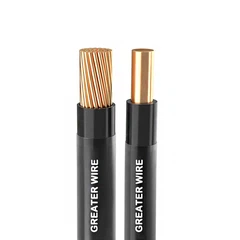
For example, a medium-distance feeder run using 4/0 AWG Aluminum XHHW-2 Wire delivers comparable ampacity to a smaller copper conductor, at a significantly lower material cost. For larger main distribution runs, 250 kcmil XHHW-2 Aluminum Conductor, 500 kcmil Aluminum XHHW-2 Feeder Wire, and 750 kcmil XHHW-2 Power Distribution Cable are standard specifications, sized to match the load requirements of mid-to-large commercial buildings.
The core rule: never copy copper conductor sizes directly for aluminum. Always calculate the required ampacity and voltage drop to confirm the correct conductor size before finalizing your bill of materials.
2.2 Safety & Durability: 90°C Wet & Dry Rating for Commercial Service Life
A common misconception is that aluminum wire is less durable or safe for commercial use. In reality, modern aluminum XHHW-2 building wire with XLPE insulation is engineered for long service life in commercial environments.
With a 90°C wet & dry rating, it maintains stable insulation performance in both dry electrical rooms and damp mechanical spaces. For continuous-load feeder runs, XLPE material offers far better thermal cracking resistance than basic PVC jacket wires such as THHN/THWN-2.
Additionally, aluminum's lightweight advantage is often underestimated: it is much easier to pull through long conduit runs and vertical risers, reducing labor difficulty and installation time on large projects. For long feeder runs, this translates to noticeable labor cost savings on top of material savings.
2.3 Code Compliance: What to Verify Before Specifying Aluminum Conductors
Compliance is the non-negotiable baseline for commercial projects. The critical reminder here is: double-check that local codes and project specifications allow aluminum conductors for your specific application.
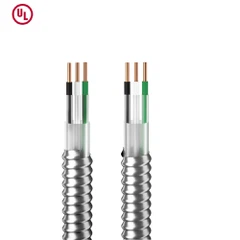
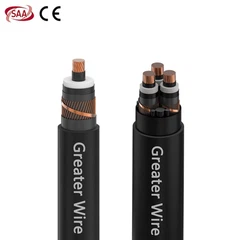
Most modern electrical codes permit aluminum conductors for power distribution feeders when properly sized and terminated. However, some project specifications or local amendments may restrict aluminum in certain circuits, so pre-verification is always required. For multi-conductor assemblies, aluminum XHHW-2 conductors are also commonly used inside aluminum interlocked armor or galvanized steel armor MC cable configurations, available in 3/C and 4/C builds with a bare ground or insulated green ground conductor.

3. Scenario Application Guide: Where Aluminum XHHW-2 Delivers Maximum Value
Aluminum XHHW-2 is not a one-size-fits-all replacement for copper. It delivers the strongest value in specific commercial distribution scenarios.
3.1 High-Fit Scenarios for Commercial Building Power Distribution
Aluminum XHHW-2 is an excellent fit for:
· Main power distribution feeders running between main switchgear and distribution panels over long distances
· Vertical riser feeder circuits in mid-rise and high-rise commercial buildings
· Large 600V feeder projects where conductor material cost is the primary budget driver
· Projects with stable, continuous load profiles typical of commercial office, retail, and mixed-use buildings
For these applications, 750 kcmil XHHW-2 Power Distribution Cable and 500 kcmil Aluminum XHHW-2 Feeder Wire are the most common specifications, delivering the best balance of cost savings and performance.
3.2 Scenarios Where Copper Remains the Preferred Choice
Aluminum is not recommended for:
· Small branch circuits and short runs where cost savings are minimal and sizing adjustments add unnecessary complexity
· Circuits with frequent, extreme load fluctuations
· Applications where local codes or project specs explicitly require copper conductors
4. Practical Selection Checklist for Aluminum XHHW-2 Feeder Wiring
Use this 4-step checklist to ensure accurate, compliant specification every time:
· Calculate the circuit's required ampacity and voltage drop to confirm the appropriate aluminum conductor size.
· Verify that local electrical codes and project specifications allow aluminum conductors for this distribution application.
· Match the conductor configuration (single conductor or armored multi-conductor assembly, 3/C or 4/C with insulated green ground) to project requirements.
· Compare total installed cost (material + labor) rather than just per-foot material price to capture full savings potential.

5. Frequently Asked Questions
Q1: Is aluminum XHHW-2 wire suitable for 600V commercial power distribution?
A: Yes. Aluminum XHHW-2 building wire is commonly available in 600V ratings, suitable for standard commercial building power distribution and feeder circuit applications.
Q2: How much cost can I save by using aluminum instead of copper XHHW-2?
A: Exact savings vary with current metal prices, but aluminum conductors typically deliver significant material cost reduction compared to equivalent-ampacity copper. Larger gauge sizes and longer runs produce the greatest total savings.
Q3: Can aluminum XHHW-2 be used in wet locations?
A: XHHW-2 carries a 90°C wet & dry rating, making it suitable for approved wet location installations as defined by applicable electrical standards. Always verify product-specific ratings before installation.
Q4: Do I need special connectors for aluminum XHHW-2 wire?
A: Yes. Terminations must be rated for use with aluminum conductors to ensure reliable, safe connections. Always use connectors approved for the conductor material and size.
6. Final Takeaway
Aluminum XHHW-2 wire is not a "cheap compromise" - it is a purpose-built, cost-effective solution for commercial building power distribution and large feeder circuits. When sized correctly and specified for the right scenarios, it delivers reliable XLPE-insulated performance at a much lower total installed cost than copper.
If you need help sizing conductors for your upcoming commercial distribution project, or want a quote for single-conductor or armored multi-conductor aluminum XHHW-2 assemblies, reach out to our team. We'll help you build a compliant, cost-effective wiring plan that fits your project budget.
Dongguan Greater Wire & Cable Co., Ltd.
Tel/WhatsApp/Wechat: +86 136 6257 9592
Tel/WhatsApp/Wechat: +86 135 1078 4550
Email: manager01@greaterwire.com
Website: www.greaterwire.com