


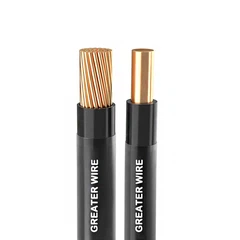
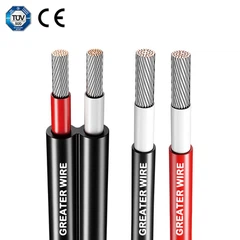

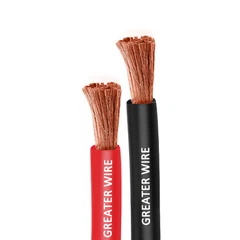
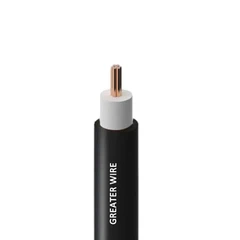
XHHW-2 is one of the most versatile building wires on the market. It works in dry locations, wet locations, hot environments, and cold climates. It goes in conduit, in cable trays, and underground. It feeds small panels and large transformers.
But with so many options, the question is not "can I use it?" The question is: "where does it make the most sense?"
This article covers the most common applications of XHHW/XHHW-2 wire in electrical construction projects. Each application includes a typical wire size so you can see how the specification matches the job.
1. Commercial Building Branch Circuits
In commercial buildings-offices, retail spaces, schools, hospitals-XHHW-2 is a common choice for branch circuits that power lighting, receptacles, and small equipment. The wire runs inside conduit through walls, ceilings, and electrical rooms. The 90°C wet/dry rating means it handles the occasional damp location without derating.
XHHW wire applications like these typically use smaller gauges. A 4 AWG XHHW-2 copper building wire is common for feeders in large commercial spaces. It carries moderate loads to distribution panels, works well in conduit runs, and terminates easily on panel lugs. The XLPE insulation provides long-term reliability in commercial environments with temperature fluctuations and occasional moisture exposure.
The dual THHN/THWN-2 rating on XHHW-2 gives contractors flexibility during installation. They can pull the same wire through dry office areas and damp mechanical rooms without changing specifications. This simplifies purchasing and reduces the risk of using the wrong wire in the wrong place.

2. Industrial Power Distribution
Industrial facilities-factories, warehouses, processing plants-have different demands. The environment is hotter. The loads are larger. Chemicals and oils are present. XHHW-2 excels here because the XLPE insulation resists chemicals and heat better than thermoplastic alternatives.
For industrial power distribution, a 2/0 AWG XHHW-2 wire is frequently specified for feeders to large motors, welding equipment, and heavy machinery. The stranded copper conductor provides flexibility for conduit runs through crowded plant floors. The insulation holds up against oils and coolants that would degrade PVC over time. The 90°C wet rating means the wire can run through damp areas like washdown stations and processing areas without losing ampacity.
XHHW-2 wire applications in industrial settings often involve long feeder runs. The wire's resistance to heat and chemicals means fewer failures and less maintenance over the life of the facility. This is why many plant engineers specify XHHW-2 as their standard building wire for industrial projects.
3. Service Entrance Wiring
Service entrance conductors carry power from the utility meter to the main distribution panel. This is one of the most critical applications for any building. The wire must handle the full building load, often over a significant distance, and it must pass inspection without issues.
Electrical construction wire for service entrances often requires larger gauges. A 500 kcmil XHHW-2 copper building wire is commonly used for 400A services in commercial buildings. The large cross-section minimizes voltage drop over the run from the meter to the panel. The XLPE insulation provides extra protection against moisture ingress at the point where the wire enters the building from underground or overhead.
XHHW-2 is preferred for service entrance applications because the -2 rating ensures full 90°C ampacity even if the conduit is in a damp location. This gives the designer more capacity without upsizing the conductor-a significant advantage when large services are involved.
4. Underground Conduit Installations
Running wire underground is challenging. Conduits collect moisture. Temperature changes cause condensation. Groundwater finds its way through fittings. In this environment, a wire's wet location rating is not optional-it is essential.
XHHW-2 is rated 90°C wet, which means it maintains full ampacity even when moisture is present in the conduit. This is a significant advantage over THHN, which drops to 75°C when wet. For underground feeders, this difference can mean using one size smaller conductor, saving money on copper.
Underground conduit installations are common in XHHW-2 wire applications for site distribution-feeding outdoor lighting, parking lot equipment, and remote buildings. The XLPE insulation resists water absorption and maintains its electrical properties even with long-term moisture exposure.

5. Cable Tray and Raceway Systems
XHHW-2 is rated for use in cable trays and raceways. This expands its application to larger-scale wiring systems where multiple conductors run together in open trays. The insulation's resistance to abrasion and mechanical stress makes it suitable for these installations.
In data centers, industrial plants, and large commercial buildings, cable trays provide a flexible way to route power throughout the facility. XHHW-2 in cable trays is common for feeders to distribution panels, UPS systems, and mechanical equipment. The wire's flexibility makes it easier to lay in trays. The 90°C rating allows higher ampacity when conductors are spaced properly.
XHHW wire applications in tray systems often use gauges ranging from small branch circuits to large feeders. The versatility of XHHW-2 means one wire type can serve multiple needs in the same tray system-simplifying inventory and reducing the chance of installation errors.
6. Retrofit and Renovation Projects
Retrofitting existing buildings presents unique challenges. Existing conduits are often smaller than what modern loads require. Clearances are tight. Working space is limited. XHHW-2 helps here because its 90°C rating means it can carry more current than lower-rated wires in the same conduit.
This is a critical advantage in retrofit projects. An existing conduit that was sized for THHN may not fit a larger THHN conductor, but the higher ampacity of XHHW-2 might allow the same size conductor to carry the new load. This avoids the cost and disruption of replacing conduits.
Contractors working on renovations value XHHW-2 for its flexibility in stranded form and its ability to handle the mixed conditions typical of old buildings-some areas dry, some damp, some hot. One wire type covers all of them.
7. XHHW-2 in Critical Facilities
Hospitals, data centers, and emergency response facilities have some of the strictest electrical requirements. Systems must be redundant and wiring must be highly reliable. XHHW-2 is commonly specified for these critical applications because of its proven reliability in demanding conditions.
In data centers, XHHW-2 feeds UPS systems, cooling equipment, and IT power distribution. In hospitals, it powers life safety systems, operating rooms, and diagnostic equipment. The wire's resistance to fire propagation and low smoke emissions (when specified) makes it suitable for these sensitive environments.
XHHW-2 wire applications in critical facilities often involve multiple parallel runs to support redundant power paths. The wire's consistent quality and UL certification give designers confidence that it will perform as specified when it matters most.
8. Choosing the Right Size for Your Application
Understanding the application is the first step. Choosing the right size is the second. Here is a simple guide:
4 AWG XHHW-2 works for sub-feeders, large branch circuits, and equipment connections in commercial buildings.
2/0 AWG XHHW-2 handles heavy feeders in industrial plants, large motors, and welding equipment.
500 kcmil XHHW-2 is specified for service entrances, main distribution panels, and large commercial feeders.
Always verify ampacity and voltage drop calculations for your specific project. Local codes and site conditions may require adjustments.
FAQ
Q1: What is the most common use for XHHW-2 in commercial construction?
Commercial building branch circuits and feeders. XHHW-2 is frequently specified for 4 AWG and larger feeders in office buildings, retail spaces, and schools.
Q2: Can XHHW-2 be used in cable trays?
Yes. XHHW-2 is suitable for cable tray and raceway installations, provided the installation meets code requirements for conductor spacing and tray fill.
Q3: Why is XHHW-2 preferred over THHN in wet locations?
XHHW-2 maintains its 90°C ampacity in wet locations. THHN drops to 75°C when wet unless it is dual-rated THHN/THWN-2.
Q4: What gauge is typical for service entrance applications?
500 kcmil is common for 400A commercial services. The specific size depends on the building load and the distance from the meter.
Q5: Does Greater provide UL 44 certified XHHW-2 wire?
Yes. Dongguan Greater Wire & Cable Co., Ltd. holds UL 44 certification for XHHW/XHHW-2 copper building wire. We can provide the certificate and file number upon request.

Need Help Selecting the Right XHHW-2 Wire for Your Project?
Tell us about your project-application, load, distance, and installation conditions. We will recommend the right XHHW/XHHW-2 wire size and send a quick quote.
Contact us
Dongguan Greater Wire & Cable Co., Ltd.
Tel/WhatsApp/Wechat: +86 136 6257 9592
Tel/WhatsApp/Wechat: +86 135 1078 4550
Email: manager01@greaterwire.com
Website: www.greaterwire.com