

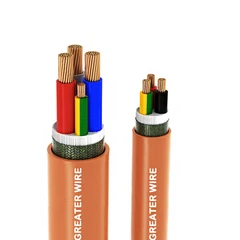
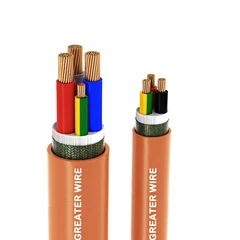

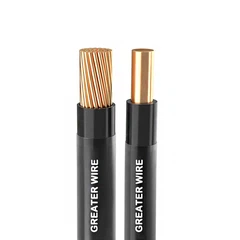
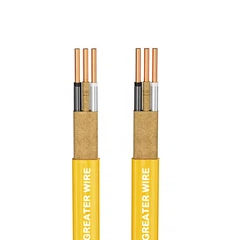
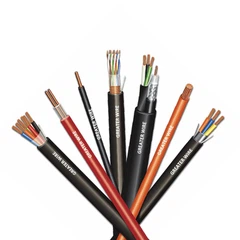
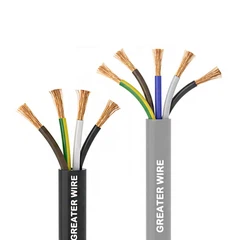
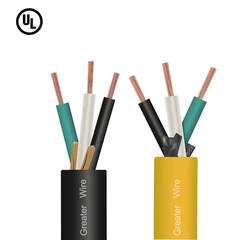
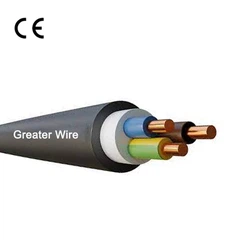
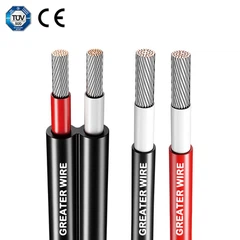

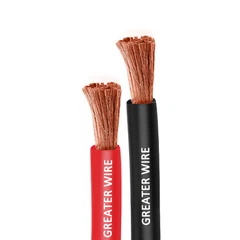
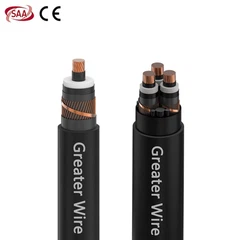
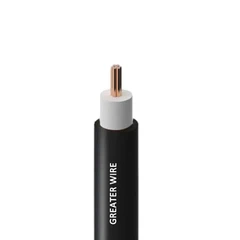
With the acceleration of global energy transition, solar photovoltaic (PV) power generation has become one of the most important sources of clean and renewable energy. In North America, South America, the Middle East, and Southeast Asia, PV power plants are being built at an unprecedented scale. At the same time, the requirements for electrical systems-especially cables-are becoming more stringent.
PV plants operate under harsh conditions: extreme heat in deserts, high humidity in coastal regions, or prolonged exposure to strong ultraviolet radiation. In such environments, cables must withstand high temperatures, UV radiation, moisture, and chemical corrosion, while ensuring safety and long-term stability.
Among many PV cables, RHW-2 cable has become a widely adopted option, especially in large-scale centralized PV power plants, thanks to its reliable structure and superior performance. This article provides a detailed analysis of the advantages of RHW-2 cables in PV applications, along with a comparison to XHHW-2 cables, offering valuable technical insight for system designers, contractors, and procurement professionals.
Technical Characteristics and Advantages of RHW-2 Cable
Structure and Standards
RHW-2 cable is insulated with cross-linked polyethylene (XLPE), a material known for excellent electrical insulation and mechanical strength. The abbreviation "RHW" stands for Resistant to Heat and Water, while the "2" indicates that it can operate continuously at 90°C in both wet and dry locations.
Key technical specifications:
- Rated Voltage: 600V
- Temperature Rating: 90°C (suitable for both wet and dry environments)
- Insulation Material: XLPE, providing high dielectric strength and excellent thermal stability
- Installation Methods: Suitable for direct burial, conduit installations, and outdoor exposure
- Certification: Fully compliant with UL standards, ensuring safety and reliability for the North American market
RHW-2 cable is designed to withstand challenging environmental conditions while ensuring safe and efficient power transmission over the long term, making it an ideal solution for PV systems.

Specifications of RHW-2 Cable
To meet the diverse requirements of PV projects, RHW-2 cables are manufactured in a wide range of sizes. The following table presents common sizes and their basic electrical characteristics:
| AWG/kcmil | Cross-Section (mm²) | Conductor Type | Insulation Thickness (mm) | Outer Diameter (mm) | Ampacity (A, 90°C) |
|---|---|---|---|---|---|
| 14 AWG | 2.08 | Solid/Stranded | 1.14 | 4.0–4.5 | 20–25 |
| 12 AWG | 3.31 | Solid/Stranded | 1.14 | 4.5–5.0 | 25–30 |
| 10 AWG | 5.26 | Stranded | 1.14 | 5.5–6.0 | 35–40 |
| 8 AWG | 8.37 | Stranded | 1.14 | 6.5–7.0 | 50–55 |
| 6 AWG | 13.3 | Stranded | 1.14 | 8.0–8.5 | 65–75 |
| 4 AWG | 21.1 | Stranded | 1.14 | 9.5–10.0 | 85–95 |
| 2 AWG | 33.6 | Stranded | 1.14 | 11.5–12.0 | 115–130 |
| 1/0 AWG | 53.5 | Stranded | 1.52 | 14.0–14.5 | 150–170 |
| 4/0 AWG | 107.2 | Stranded | 1.52 | 20.5–21.0 | 230–260 |
| 500 kcmil | 253.0 | Stranded | 2.03 | 28.0–29.0 | 380–420 |
Note: The above specifications are based on common UL standards. Actual parameters may vary slightly depending on manufacturing processes and application requirements.
Applications of Different RHW-2 Cable Sizes
- Small Sizes (14–10 AWG)
Used for control circuits, monitoring systems, and sensor power connections inside PV plants. These circuits carry lower currents but require stable insulation and ease of installation.
- Medium Sizes (8–4 AWG)
Typically applied between PV string combiner boxes and inverters. These cables handle moderate currents and must offer both electrical performance and mechanical durability.
- Large Sizes (2 AWG–1/0 AWG)
Commonly installed between inverters and AC distribution panels or transformers. These circuits usually involve long-distance power transmission, requiring cables with low power loss and high ampacity.
- Extra-Large Sizes (4/0 AWG–500 kcmil)
Used in main feeder circuits of utility-scale PV plants. These cables ensure efficient transmission of high-power output to the grid.
By selecting RHW-2 cables in appropriate sizes, PV system designers can achieve the optimal balance between performance, safety, and cost efficiency.

Comparison Between RHW-2 and XHHW-2 Cables
To better illustrate the advantages of RHW-2 cables, we compare them with XHHW-2 cables:
| Feature | RHW-2 | XHHW-2 |
|---|---|---|
| Insulation | XLPE, resistant to heat and moisture | XLPE, enhanced weather resistance |
| Temperature Rating | 90°C wet/dry | 90°C wet/dry |
| Applications | PV plants, direct burial, wet areas | Rooftop wiring, conduit installations |
| Flexibility | Moderate, suitable for burial | Higher, easier for complex routing |
| PV Suitability | Utility-scale, outdoor and underground | Rooftop distributed PV systems |
Analysis:
- XHHW-2 cable is more flexible, making it ideal for rooftop PV systems with complex wiring paths.
- RHW-2 cable emphasizes durability and moisture resistance, making it highly suitable for direct burial and long-term outdoor exposure.
- Both cables meet UL standards, but for utility-scale PV plants, RHW-2 provides superior reliability in large-scale and long-term applications.
Practical Value of RHW-2 Cable in PV Power Plants
1.Main Feeders in Utility-Scale PV Plants
RHW-2 cables are ideal for connecting inverters to transformers, where high current and temperature conditions are common. Their robust construction ensures stable long-term operation.
2.Coastal and Humid Regions
With strong moisture resistance and corrosion resistance, RHW-2 cables perform reliably in coastal areas and tropical environments.
3.Long-Term Outdoor Exposure
In desert climates with extreme heat or high-altitude regions with strong UV radiation, RHW-2 cables maintain excellent performance over decades of operation.
4.Direct Burial Installations
Thanks to high insulation strength and compression resistance, RHW-2 cables can be directly buried, reducing installation costs and minimizing conduit use.

Our Cables Deliver Trusted Performance
-
Comprehensive UL-Certified Product Line
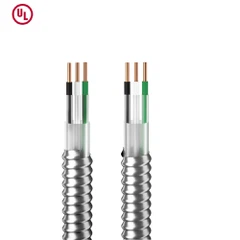
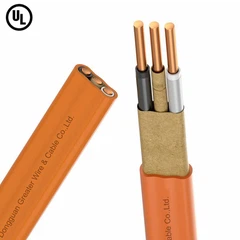
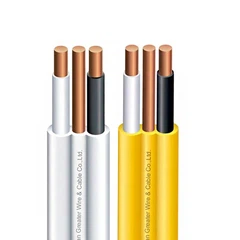
We manufacture a wide range of UL-certified cables, including THHN, THW, MC cable, and AC cable. Our UL Wire product portfolio covers diverse applications in PV and power distribution systems.
-
Compliance with the Americas Market
All products meet UL/CSA standards, widely recognized across North and South America.
-
Complete Specifications
Our RHW-2 cable range includes all standard sizes, ensuring full coverage for projects of any scale.
-
Strong Delivery Capacity
We maintain large inventories to guarantee fast delivery, supporting both bulk and small-volume orders.
-
Technical and Service Advantages
Our team provides professional technical support, assisting customers with cable selection and wiring design. Pre-sales and after-sales services ensure peace of mind throughout the project lifecycle.
-
Global Cooperation
With years of manufacturing and export experience, we have built long-term partnerships across North America, Latin America, the Middle East, and Southeast Asia.
-
Certified Quality
All cables are UL-certified, meeting international safety and performance standards.
-
Customization Options
We provide extensive customization services, including material, size, length, color, performance, marking, and packaging, tailored to customer requirements.
Company Information
Dongguan Greater Wire & Cable Co., Ltd.
- Tel/WhatsApp/Wechat: +86 135 1078 4550 / +86 136 6257 9592
- Email: manager01@greaterwire.com