

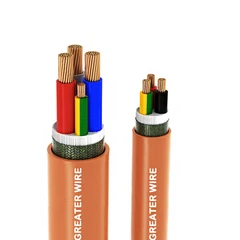
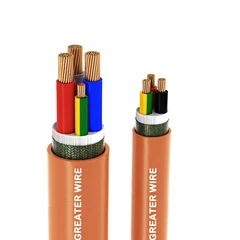

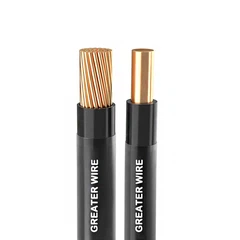
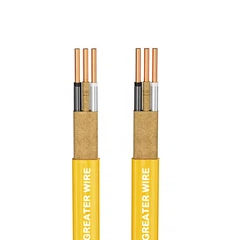
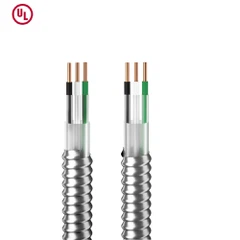
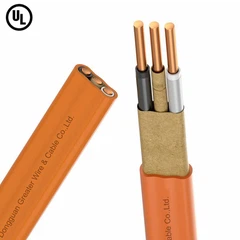
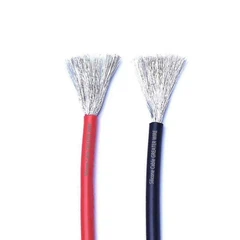
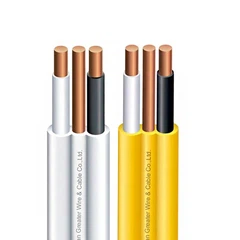
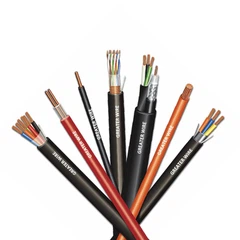
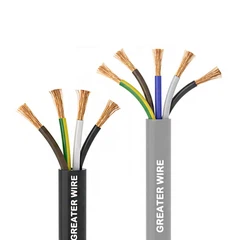
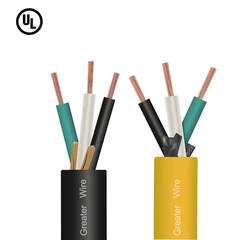
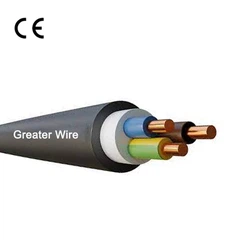
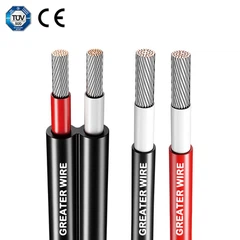

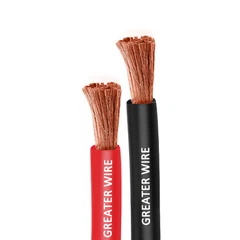
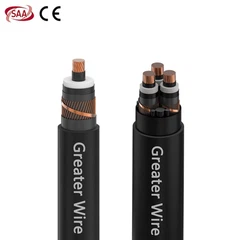
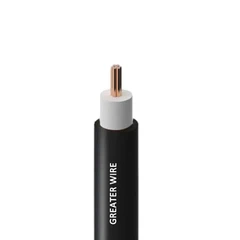
Basic structure and temperature resistance characteristics of MC cable
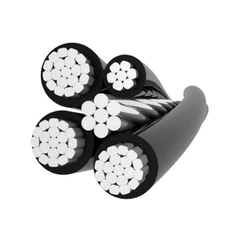
Conductor: Common materials include copper and aluminum, and copper conductors such as 1/3 MC Cable Copper have better conductivity and heat resistance.
Insulation layer: made of materials such as THHN, XHHW, or EPR, which directly affects temperature resistance.
Metal Cladding: Aluminum or steel sheaths provide mechanical protection while also affecting heat dissipation performance.
Outer Jacket: Used for additional protection, especially in outdoor applications, the Outdoor Rated MC Cable uses special weather resistant materials to improve its adaptability to high temperature and humid environments.
The temperature resistance of MC cables depends on their insulation layer and outer sheath materials. For example, MC cables with THHN insulation can withstand a working temperature of 90 ° C, while cables with XHHW-2 insulation can withstand higher temperatures (typically up to 105 ° C).


The impact of high temperature environment on MC cables
In high temperature environments, MC cables may be affected by the following:
Elevated conductor resistance: Temperature rise can cause an increase in resistance, thereby affecting the current carrying capacity of the cable.
Accelerated aging of insulation layer: High temperature will accelerate the deterioration of insulation layer material, affecting the service life of cables.
Softening or brittleness of sheath material: If the outer sheath material cannot withstand high temperatures, it may soften or become brittle, reducing its protective effect.
Decreased current carrying capacity: Due to heat accumulation, the current carrying capacity of the cable may need to be adjusted to prevent faults caused by overheating.


MC cable suitable for high temperature environment
1. 6/3 with Ground MC Cable
6/3 with Ground MC Cable uses 6 AWG conductors, including three current carrying conductors and one grounding wire, suitable for HVAC equipment, motors, and high-power power systems.
Temperature resistance: THHN/THBN insulation is usually used, with a standard temperature resistance of up to 90 ° C, suitable for medium high temperature environments.
Applicable scenarios: commercial buildings, electrical distribution, industrial equipment.
2. 1/3 MC Cable Copper
1/3 MC Cable Copper uses 1 AWG copper conductor, suitable for high-power power supply needs such as backup power sources, generators, and high load electrical equipment.
Temperature resistance: XHHW-2 insulation is usually used, which can withstand temperatures of 105 ° C or higher.
Applicable scenarios: industrial power distribution, main power transmission in high-temperature environments.
3. 12/7 MC Cable
The 12/7 MC Cable uses 12 AWG conductors and includes 7 current carrying conductors, suitable for lighting, electrical control, and data center cabling.
Temperature resistance: THHN insulation is generally used, suitable for environments ranging from 75 ° C to 90 ° C.
Applicable scenarios: internal wiring of buildings, medium temperature industrial control equipment.
4. Outdoor Rated MC Cable
The Outdoor Rated MC Cable is specially designed for outdoor environments, with insulation and sheath materials that can withstand extreme temperatures and humidity.
Temperature resistance: XLP, EPR or PVC are usually used as insulation materials, with a temperature resistance of up to 105 ° C or higher.
Applicable scenarios: solar power plants, outdoor industrial equipment, and high-temperature exposure environments.


Installation suggestions in high-temperature environments
Choose the appropriate insulation material:
THHN/THWN is suitable for environments up to 90 ° C.
XHHW-2 is suitable for higher temperature environments (up to 105 ° C).
EPR/FEP insulation is suitable for extreme high temperature environments (up to 150 ° C).
Ensure good heat dissipation conditions: When routing cables, leave enough space for air circulation to reduce heat accumulation.
Adjust current carrying capacity: Adjust the rated current carrying capacity of the cable according to the ambient temperature to prevent overload and overheating.
Take additional protective measures, such as adding extra heat shielding layers in high-temperature areas or selecting specially designed outdoor Rated MC cables.


Use cases of MC cables in different high-temperature application scenarios
1. Industrial power supply
In high-temperature workshops and metallurgical industries, using 1/3 MC Cable Copper as the main power transmission cable can provide stable power supply and withstand environmental temperature changes.
2. Data center cabling
Data centers often face the problem of temperature rise caused by high load operation. Using 12/7 MC Cable for power wiring can reduce cable loss caused by high temperature and improve system stability.
3. Outdoor solar power plants
The cables of solar power plants need to be exposed to high temperatures and ultraviolet radiation for a long time. Outdoor Rated MC Cable uses high temperature and weather resistant materials to ensure long-term reliable operation.
4. HVAC power supply for commercial buildings
Air conditioning and HVAC systems typically require high current power supply, and 6/3 with Ground MC Cable uses heat-resistant insulation materials to ensure stable operation and reduce failures caused by high temperatures.
