


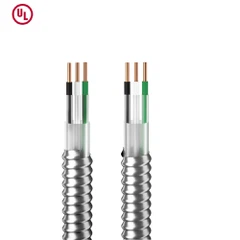


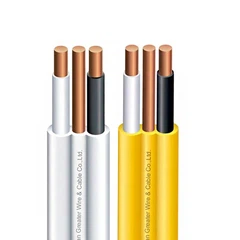
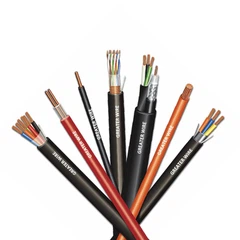
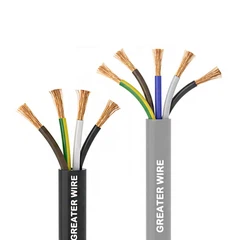


Electrical wiring systems form the backbone of both residential and commercial buildings, yet the requirements governing their design, materials, performance, and compliance differ significantly. While both rely on building wire as the fundamental conductor type, variations in load characteristics, operating conditions, safety expectations, and regulatory oversight lead to distinctly different wiring standards and selection criteria.
Understanding these differences is critical for electrical engineers, contractors, designers, and procurement professionals. Selecting the wrong building wire specification can result in overheating, premature insulation aging, code violations, or increased lifecycle costs.

Overview of Residential vs. Commercial Electrical Systems
Residential Electrical Systems
Residential electrical systems are typically designed for:
Low to moderate electrical loads
Intermittent usage patterns
Single-phase power (120/240 V in North America)
Limited circuit density
Most residential buildings serve lighting, small appliances, HVAC systems, and consumer electronics. Electrical demand is relatively predictable and rarely operates at full load for extended periods.
Commercial Electrical Systems
Commercial buildings-such as offices, hospitals, data centers, shopping malls, and industrial facilities-present a very different electrical profile:
Higher and continuous electrical loads
Three-phase power systems
Dense wiring infrastructure
Mission-critical equipment and systems
As a result, commercial wiring systems must prioritize thermal stability, long-term reliability, scalability, and code rigor, all of which directly impact building wire requirements.

Code and Regulatory Differences
Residential Wiring Codes
Residential wiring is typically governed by:
NEC (NFPA 70) – With emphasis on Chapters 1–4 and residential-specific provisions
Local building codes and amendments
Residential code requirements focus on basic electrical safety, shock protection, and fire prevention, often with simplified installation rules.
Commercial Wiring Codes
Commercial buildings are subject to:
Full NEC compliance, including Articles 310, 725, 760, 800, and others
OSHA workplace safety requirements
Fire and life-safety codes (NFPA 13, NFPA 72)
Local authority having jurisdiction (AHJ) inspections
Commercial installations are less forgiving, with stricter enforcement of conductor derating, grouping rules, grounding methods, and material certifications.
Implication for building wire:
Commercial projects often require higher-rated, more versatile wire types to meet inspection and long-term performance expectations.

Electrical Load Characteristics and Their Impact on Building Wire Selection
Load Levels
Residential: Loads are relatively low and diverse, rarely operating continuously at maximum current.
Commercial: Many circuits are designed for continuous load (defined by NEC as operating for 3 hours or more).
This distinction directly affects conductor sizing and insulation requirements.
Continuous Load Considerations
For continuous loads, NEC requires conductors to be sized at 125% of the actual load. This often leads to:
Larger conductor cross-sections
Higher temperature-rated insulation
As a result, commercial applications frequently specify THHN/THWN-2 or XHHW-2 building wire, even where residential systems might allow simpler solutions.

Temperature Rating Requirements
Residential Temperature Ratings
In residential installations:
Most terminations are rated 60°C or 75°C
Conductors are often sized conservatively
Heat buildup is generally limited
Therefore, standard building wire types such as NM-B cable or THHN (in conduit) are sufficient for most applications.
Commercial Temperature Ratings
Commercial systems often require:
90°C-rated building wire to accommodate derating factors
High ambient temperatures in electrical rooms
Large conductor bundling in conduits or trays
Even if terminals are rated at 75°C, using 90°C insulation allows designers to apply derating without upsizing conductors excessively.
Result:
Commercial wiring almost universally relies on THHN/THWN-2 or XHHW-2 building wire.

Environmental and Installation Conditions
Residential Environments
Residential wiring is usually installed in:
Dry, temperature-controlled spaces
Limited exposure to moisture or chemicals
Low mechanical stress environments
Accordingly, building wire requirements are relatively modest.
Commercial Environments
Commercial buildings present more challenging conditions:
Wet or damp locations (basements, parking garages, rooftops)
Mechanical rooms with elevated temperatures
Long conduit runs and crowded raceways
Potential exposure to oils, cleaning agents, or industrial chemicals
These factors demand building wire with enhanced insulation integrity, moisture resistance, and thermal endurance.

Wire Types Commonly Used in Residential Buildings
NM-B Cable (Nonmetallic Sheathed Cable)
Common in wood-frame housing
Integrated sheath and conductors
Limited to dry locations
While NM-B is widely used, it is not classified as building wire in the same sense as single-conductor THHN or XHHW.
THHN Building Wire in Residential Use
THHN is commonly used when:
Wiring is installed in conduit
Local codes restrict NM cable
Advantages include ease of installation and low cost, making THHN a practical residential building wire option.

Wire Types Commonly Used in Commercial Buildings
THHN/THWN-2 Building Wire
This is the default choice for most commercial installations due to:
90°C rating in dry and wet locations
Nylon jacket for easy conduit pulling
Broad UL and NEC acceptance
XHHW-2 Building Wire
XHHW-2 is selected when:
Long-term thermal aging is a concern
Higher electrical stability is required
Industrial or critical facilities are involved
Its cross-linked insulation provides superior resistance to heat and moisture compared to thermoplastic alternatives.

Mechanical and Fire Safety Considerations
Residential Fire Safety
Residential wiring emphasizes:
Arc-fault and ground-fault protection
Flame-retardant insulation
Simpler evacuation and life-safety requirements
Commercial Fire and Life-Safety Requirements
Commercial buildings must address:
High occupant density
Emergency power and life-safety circuits
Fire alarm and communication systems
This often leads to requirements for:
Plenum-rated or low-smoke cables
Enhanced insulation integrity
Clear separation of power and signal wiring
While not all of these are strictly "building wire," they influence overall conductor selection strategy.

How to Select the Correct Building Wire for Residential vs. Commercial Projects
Selection Criteria for Residential Buildings
Key considerations include:
Installation method (conduit vs. cable assemblies)
Ambient temperature
Cost efficiency
Local code acceptance
Typical choices:
NM-B (where permitted)
THHN for conduit installations
Selection Criteria for Commercial Buildings
Commercial projects require a more rigorous approach:
Environment
Dry: THHN/THWN-2
Wet or harsh: THWN-2 or XHHW-2
Load Profile
Continuous loads favor 90°C-rated insulation
Installation Density
High conductor count requires higher thermal margins
Lifecycle Expectations
Long service life favors cross-linked insulation

Cost vs. Performance Considerations
Residential projects prioritize initial cost and installation speed, while commercial projects focus on:
Reliability
Scalability
Reduced maintenance
Compliance certainty
Although XHHW-2 building wire is more expensive than THHN, its performance benefits often justify the cost in commercial and industrial settings.


Matching Building Wire to Building Function
The fundamental difference between residential and commercial electrical wiring lies in operational intensity and risk profile. Residential systems are designed for comfort and convenience, while commercial systems are engineered for continuous operation, higher loads, and strict safety compliance.
From a building wire selection perspective:
Residential buildings favor simplicity and cost efficiency
Commercial buildings demand higher ratings, broader approvals, and long-term reliability
Choosing the correct building wire specification is not about selecting the "highest-rated" product, but about aligning wire performance with real-world operating conditions, regulatory requirements, and lifecycle expectations.
When these factors are properly balanced, electrical systems can achieve both safety and efficiency-regardless of whether the building is a home or a high-rise commercial facility.
At Dongguan Greater Wire & Cable Co., Ltd., we understand that choosing the right wire and cable solutions is critical to the success and safety of your projects.
Our experienced pre-sales and after-sales teams provide:
Professional technical consultation
Accurate product selection and application guidance
Fast and responsive support throughout the entire project lifecycle
Whether you are working on small-scale installations or large industrial projects, we are committed to delivering reliable solutions and practical support tailored to your specific requirements.
Contact Us
Dongguan Greater Wire & Cable Co., Ltd.
📞 Tel / WhatsApp / WeChat
+86 135 1078 4550
+86 136 6257 9592
📧 Email
manager01@greaterwire.com
We look forward to supporting your next project with quality products, technical expertise, and dependable service.