

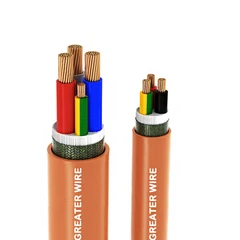
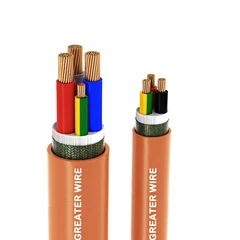

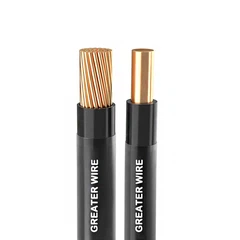
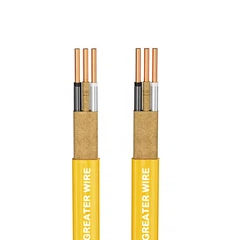
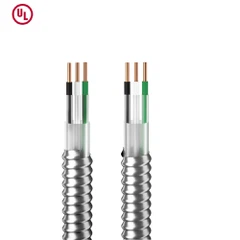
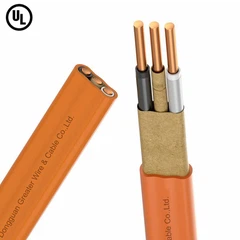
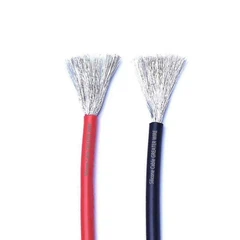
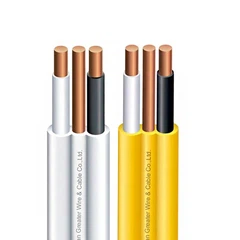
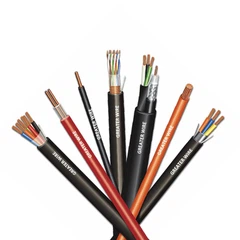
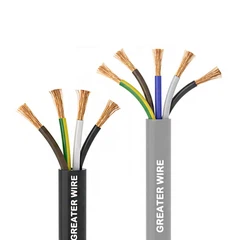
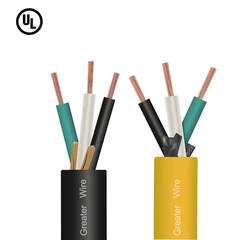
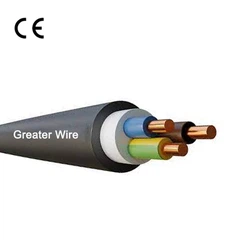
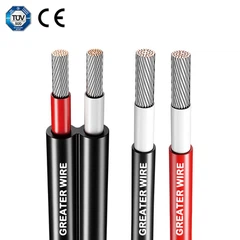

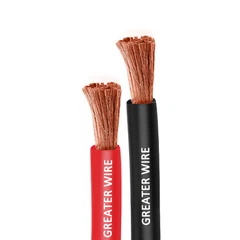
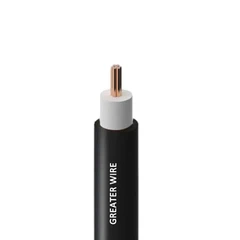
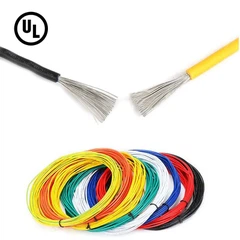
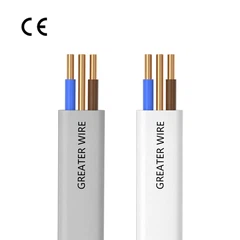
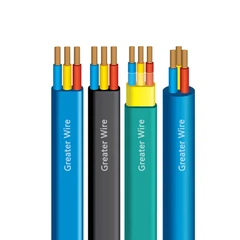
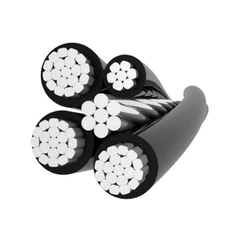
In modern electrical installations, building wire forms the backbone of power distribution systems in residential, commercial, and industrial buildings. In North America and regions that follow NEC-based electrical systems, wire designations such as THHN, THWN, and XHHW are widely used.
These model numbers are not arbitrary product names. Instead, they are standardized technical codes that define a wire's insulation material, temperature rating, moisture resistance, and intended application environment. Correctly understanding these designations is essential for electrical safety, regulatory compliance, system reliability, and cost optimization.
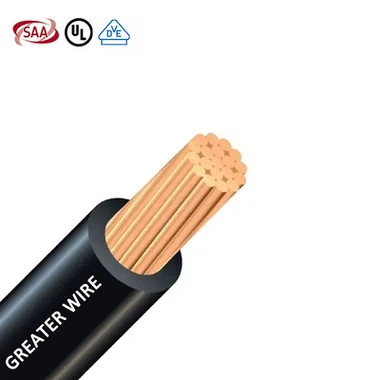
Understanding Building Wire and Its Regulatory Framework
What Is Building Wire?
Building wire refers to insulated conductors primarily used for fixed electrical installations within buildings. These wires are typically installed in:
Metallic or non-metallic conduits
Cable trays
Raceway systems
Distribution panels, switchboards, and control cabinets
Unlike flexible cords or portable cables, building wire is designed for permanent installation and minimal mechanical movement once installed.
Applicable Standards and Codes
THHN, THWN, and XHHW wires are defined and regulated by the following standards:
UL 83 – Thermoplastic-Insulated Wires and Cables
UL 44 – Thermoset-Insulated Wires and Cables
NEC (NFPA 70), Article 310 – Conductors for General Wiring
The wire designation itself is a concise summary of compliance with these standards.

Decoding Building Wire Designations
Each letter in a building wire model number represents a specific material or performance characteristic.
Common Letter Meanings
| Letter | Meaning |
|---|---|
| T | Thermoplastic insulation |
| H | Heat-resistant (75°C) |
| HH | High heat-resistant (90°C) |
| W | Water-resistant |
| N | Nylon outer jacket |
| X | Cross-linked insulation |
Understanding this naming logic allows engineers and installers to interpret wire performance at a glance.

THHN Building Wire: Characteristics and Applications
Meaning of THHN
THHN = Thermoplastic High Heat-resistant Nylon
This designation indicates a thermoplastic-insulated conductor with high heat resistance and a nylon outer jacket.
Construction
Conductor: Solid or stranded copper (bare or tinned)
Primary insulation: PVC (polyvinyl chloride)
Outer layer: Thin nylon jacket
Temperature and Environmental Ratings
Dry locations: Up to 90°C
Wet locations: Limited unless dual-rated with THWN
Advantages
Cost-effective solution
Smooth nylon surface improves conduit pulling
Widely available in multiple sizes and colors
Typical Applications
Dry indoor wiring systems
Power distribution in conduits
Residential and commercial buildings
THHN is one of the most commonly used building wire types due to its balance of performance and cost.
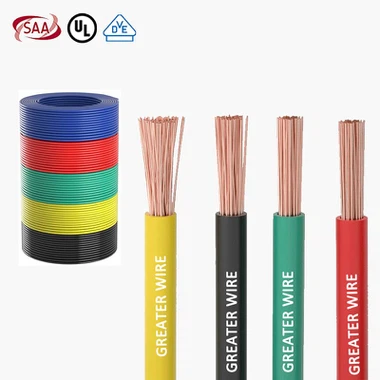
THWN Building Wire: Enhanced Moisture Resistance
Meaning of THWN
THWN = Thermoplastic Heat-resistant Water-resistant Nylon
Compared to THHN, THWN explicitly allows use in wet or damp locations.
Performance Characteristics
PVC insulation with nylon jacket
Approved for moisture exposure
Temperature rating:
75°C in wet locations (THWN)
90°C in wet locations (THWN-2)
Dual-Rated THHN/THWN-2 Wires
Most modern building wires are dual-rated as THHN/THWN-2, meaning:
90°C rating in both dry and wet locations
Suitable for nearly all standard building wiring applications
Typical Applications
Underground conduit systems
Damp mechanical rooms
Outdoor feeder circuits
Commercial and mixed-use buildings
From a selection standpoint, THHN/THWN-2 has become the default choice for general-purpose building wire.

XHHW Building Wire: Cross-Linked Insulation for Higher Reliability
Meaning of XHHW
XHHW = Cross-linked Polyethylene High Heat-resistant Water-resistant
The key distinction is the cross-linked insulation system, which differs fundamentally from thermoplastic PVC.
Construction
Conductor: Copper or aluminum
Insulation: XLPE (cross-linked polyethylene)
Outer jacket: Typically no nylon layer
Performance Advantages
Superior thermal aging resistance
Better electrical stability under load
Enhanced resistance to moisture, chemicals, and deformation
Thicker insulation compared to THHN
Temperature Ratings
Dry locations: 90°C
Wet locations:
XHHW: 75°C
XHHW-2: 90°C
Typical Applications
Industrial facilities
High-load distribution systems
Electrical rooms and substations
Continuous-duty power circuits
XHHW is commonly selected when long-term reliability and electrical performance outweigh installation convenience or initial cost.

Technical Comparison of THHN, THWN, and XHHW
| Parameter | THHN | THWN / THWN-2 | XHHW / XHHW-2 |
|---|---|---|---|
| Insulation type | PVC | PVC | XLPE |
| Cross-linked | No | No | Yes |
| Nylon jacket | Yes | Yes | Usually no |
| Wet-location use | Limited | Approved | Approved |
| Thermal aging resistance | Moderate | Moderate | Excellent |
| Installation ease | Excellent | Excellent | Moderate |
| Cost level | Low | Medium | Higher |
| Typical application | General wiring | Universal building wire |
High-reliability systems |
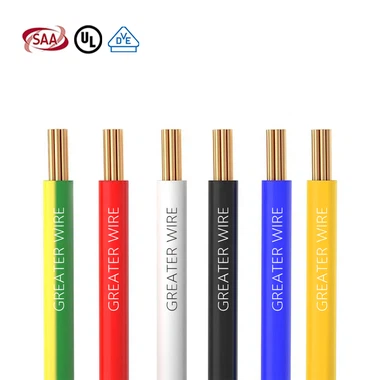
How to Select the Correct Building Wire Specification
Selection Based on Installation Environment
Dry indoor areas: THHN
Wet or damp locations: THWN-2 or XHHW-2
Harsh or industrial environments: XHHW-2
Selection Based on Temperature Rating
75°C systems: THWN, XHHW
90°C systems: THHN, THWN-2, XHHW-2
Note: Actual ampacity must always comply with NEC tables and terminal temperature limitations.
Electrical and Mechanical Reliability Considerations
Standard commercial buildings: THHN/THWN-2
High-duty industrial systems: XHHW
Cost and Installation Balance
Dense conduit runs: Nylon-jacketed wires reduce pulling friction
Long service life requirements: Cross-linked insulation offers superior aging performance

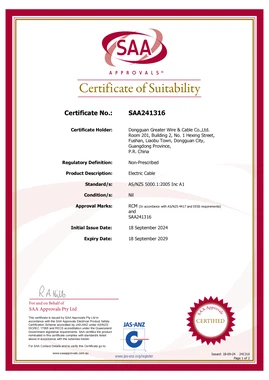
Building Wire Designations as an Engineering Language
THHN, THWN, and XHHW are not merely product labels-they are a technical language that communicates insulation chemistry, environmental suitability, thermal capability, and regulatory compliance.
THHN: Economical and efficient for dry locations
THWN-2: The most versatile and widely used building wire today
XHHW-2: Designed for demanding environments and long-term reliability
In practical engineering, the best building wire is not the highest-rated one, but the one that precisely matches the installation conditions, code requirements, and system design objectives.
At Dongguan Greater Wire & Cable Co., Ltd., we understand that choosing the right wire and cable solutions is critical to the success and safety of your projects.
Our experienced pre-sales and after-sales teams provide:
Professional technical consultation
Accurate product selection and application guidance
Fast and responsive support throughout the entire project lifecycle
Whether you are working on small-scale installations or large industrial projects, we are committed to delivering reliable solutions and practical support tailored to your specific requirements.
Contact Us
Dongguan Greater Wire & Cable Co., Ltd.
📞 Tel / WhatsApp / WeChat
+86 135 1078 4550
+86 136 6257 9592
📧 Email
manager01@greaterwire.com
We look forward to supporting your next project with quality products, technical expertise, and dependable service.