























Have you ever stood at a job site staring at a bundle of wires, wondering, "Are these really safe to use outdoors?" Choosing the right type of wire isn't just about "conducting electricity." It's about safety, durability, and long-term performance in challenging environments.
If you're considering using THW wire (Thermoplastic, Heat-resistant, Water-resistant), this question becomes especially important. One wrong choice can mean the difference between a reliable installation and a costly hazard.
In this article, we'll break down everything you need to know -
What exactly is THW wire?
What are the key electrical requirements for outdoor wiring?
Can THW wire actually be used outdoors, and under what conditions?
How should you properly install THW wire for outdoor use?
And finally, what are the common applications of THW wire?
At the end, we'll also show you why Dongguan Greater Wire & Cable Co., Ltd. is your best partner for THW cables - with full UL & CUL certifications, complete technical support, and a 24-hour professional service team. Let's dive in!
What Is THW Wire?
Before deciding whether THW wire can be used outdoors, let's understand what it is.
- T = Thermoplastic insulation
- H = Heat-resistant (up to 75 °C)
- W = Water-resistant (for damp or wet locations)
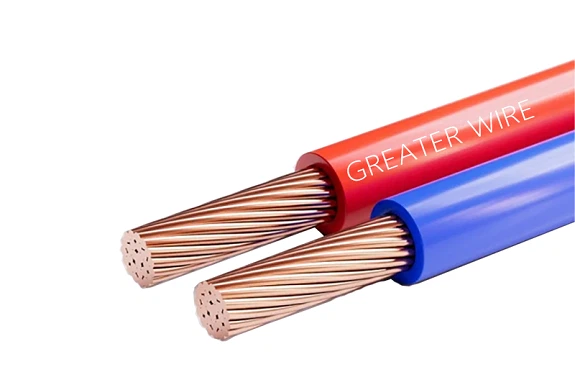
THW wire typically consists of a copper or aluminum conductor with PVC insulation, rated up to 600 V. Compared with THHN or THWN, standard THW wire does not have a nylon jacket and offers moderate temperature and moisture resistance.
In short: THW wire is a general-purpose building wire designed for indoor or conduit installations in both dry and damp environments. However, that doesn't automatically mean it's ideal for direct outdoor exposure.
Understanding Outdoor Electrical Requirements
Outdoor wiring environments are much harsher than indoor ones. Here are the main factors you must consider:
Environmental Challenges
- UV Exposure: Sunlight can rapidly degrade insulation materials.
- Temperature Fluctuations: Day-night heat swings cause expansion and contraction.
- Moisture & Humidity: Rain, condensation, and ground dampness all affect insulation.
- Mechanical Damage: Wind, vibration, animals, or construction activity can harm wires.
- Corrosion: Salt, chemicals, and pollution can deteriorate insulation and conductors.
Safety & Compliance Standards
- The National Electrical Code (NEC) defines wire ratings and installation methods for wet, damp, and outdoor locations.
- Outdoor wires must often be UV-resistant, moisture-resistant, and mechanically protected.
- Always look for UL or CUL certification marks to ensure compliance and safety.
In short - outdoor use demands tougher wire specifications and installation protection. Using indoor wire outdoors without proper shielding can cause insulation breakdown, short circuits, or even fire risks.
Can THW Wire Be Used Outdoors?
THW wire can be used outdoors if it is properly installed in conduit or protective tubing, shielded from direct sunlight and physical damage.
-
The "W" in THW means Water-resistant, so it's suitable for wet or damp environments.
- However, THW is not sunlight-resistant and lacks a nylon jacket that protects against abrasion and UV radiation.
- Therefore, THW is not recommended for direct exposure to sun, rain, or physical impact.
If you install it inside PVC or metal conduit, in a shaded and well-protected area, THW performs reliably. But for fully exposed or outdoor applications, THWN or THWN-2 is the better choice.
Quick Comparison Table
| Wire Type | Water-Resistant | Heat Rating | UV Resistant | Outdoor Approved |
|---|---|---|---|---|
| THW | ✅ Yes | 75 °C | ❌ No | ⚠️ Only if in conduit |
| THWN | ✅ Yes | 75–90 °C | ✅ Yes | ✅ Yes |
| THWN-2 | ✅ Yes | 90 °C | ✅ Yes | ✅ Yes |
Bottom line:
THW wire can be used outdoors if protected in conduit and installed properly, but not for exposed runs or direct sunlight. When in doubt, upgrade to THWN-2 for better long-term reliability.
How to Properly Install THW Wire Outdoors
If you plan to use THW wire outdoors, follow these best practices to ensure safety and compliance:
Installation Guidelines
- Always use conduit or raceway protection.
Install THW inside PVC, EMT, or flexible metallic conduit.
Never leave the wire directly exposed to the elements.
- Avoid direct sunlight and heat sources.
Cover or shade any exposed sections to prevent UV degradation.
- Ensure proper drainage and ventilation.
Avoid water accumulation in conduits.
- Choose installation locations carefully.
Keep away from high-temperature or corrosive areas.
- Follow local NEC codes and standards.
Verify wire size, ampacity, and installation method comply with regulations.
- Label and document all outdoor wiring.
Helps with maintenance and inspection.
- Perform regular inspections.
Look for cracks, discoloration, or moisture intrusion.
Common Mistakes to Avoid
| ❌ Mistake | ✅ Correct Practice |
|---|---|
| Assuming "Water-resistant" = "Outdoor-ready" | Always use conduit or UV protection |
| Using indoor standards outdoors | Follow NEC outdoor wiring codes |
| Ignoring insulation type | Choose wire based on environment, not just size |
In short, protection + code compliance = safe outdoor THW installation.
Common Applications of THW Wire
THW wire is widely used in both residential and commercial projects. Typical applications include:
- Indoor power distribution and branch circuits in buildings.
- Damp or wet environments like basements, mechanical rooms, or cooling systems.
- Conduit and raceway installations - especially when moisture is present.
- Partially protected outdoor systems where the wire is enclosed and shielded.
- Industrial control and HVAC systems extending to semi-outdoor areas.
Wire Type Comparison
| Type | Key Features | Typical Applications |
|---|---|---|
| THW | PVC insulation, 75 °C, moisture-resistant | Indoor wiring, conduit, damp areas |
| THWN | Nylon-jacketed, 90 °C, UV & water-resistant | Indoor/outdoor, exposed locations |
| THHN | High-heat rated, nylon jacket, dry only | Indoor dry environments, machinery |
When your project involves more exposure - sunlight, high heat, or open installation - THWN-2 is the ideal upgrade.

Why Choose Dongguan Greater Wire & Cable Co., Ltd.?
After understanding THW wire's features and outdoor requirements, let's talk about why Greater Wire & Cable is the supplier you can trust.
Our Advantages
- Full Range of THW Products: We offer a complete line of THW wires in various sizes, colors, and conductor types - perfect for any project scale.
- Certified Quality: All our products are fully UL and CUL certified, meeting U.S. and Canadian safety standards.
- Comprehensive Service: Whether it's a small residential job or a large industrial project, we provide full technical support.
- 24/7 Customer Assistance: Our professional pre-sales and after-sales teams are always available to answer your questions.
- Fast Response & Global Supply: Quick lead times and reliable logistics ensure your projects stay on schedule.
Contact Us Today
📞 Tel / WhatsApp / WeChat:
+86 135 1078 4550 / +86 136 6257 9592
✉️ Email: manager01@greaterwire.com
Want a free consultation or quotation for your THW project?
Simply send us your wire size, voltage, and installation conditions - our engineers will recommend the best solution for your specific environment.