

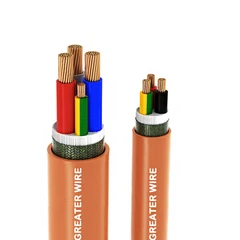

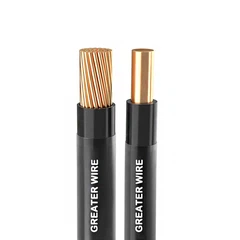
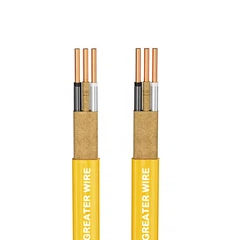
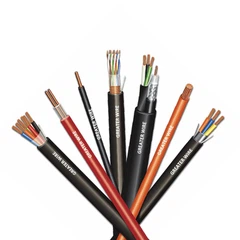
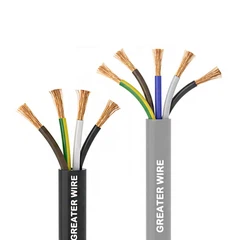
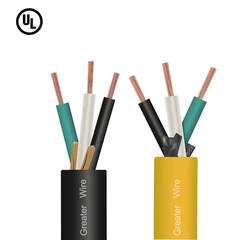
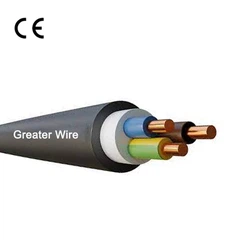
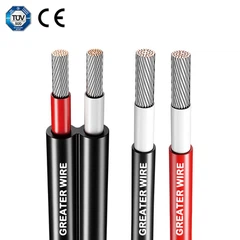

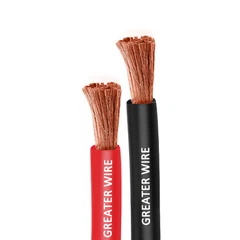
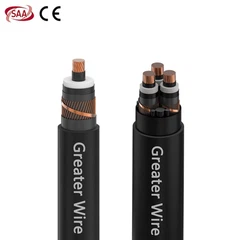
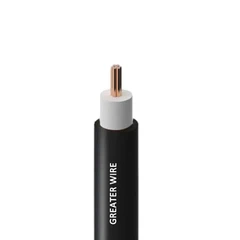
In modern power transmission and distribution systems, the selection of cables is one of the key factors to ensure the efficient and safe operation of the system. XHHW wire (cross-linked polyethylene high temperature heat-resistant cable) is a high-performance cable that is widely used in harsh environments such as high temperature, moisture, and chemical corrosion. However, in underground installation, cables need to meet a series of additional requirements, such as water resistance, corrosion resistance, and physical protection. Therefore, this article will explore whether XHHW wires are suitable for underground installation, and analyze its related characteristics and advantages and disadvantages to help users make the most suitable cable selection when wiring underground power.

1. Basic characteristics of XHHW wires
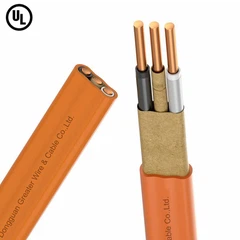
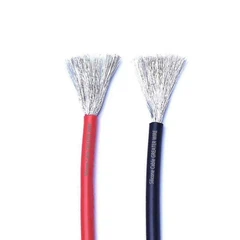
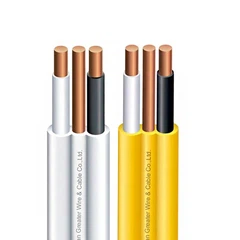
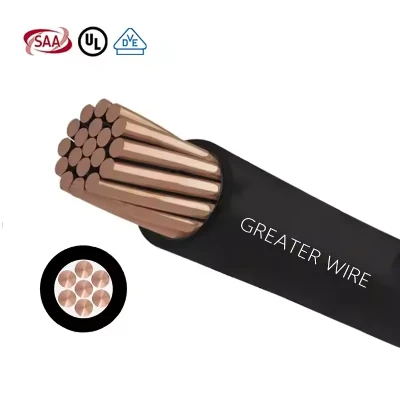
Before understanding whether XHHW wires are suitable for underground installation, we first need to understand their basic characteristics and construction. XHHW wires are usually made of copper or aluminum conductors and cross-linked polyethylene (XLP) as insulation materials. XLP materials enhance the physical and chemical properties of polyethylene through a cross-linking chemical process, making the cable more durable in high temperature, chemical corrosion and humid environments.
1.1 Construction of XHHW Wires
Conductor: The conductor of XHHW wires is usually copper conductor, which has good electrical conductivity and can effectively transmit current. Copper conductors also have good corrosion resistance and are suitable for use in some chemically corrosive environments.
Insulation material: The insulation layer of XHHW wires uses cross-linked polyethylene (XLP), which not only has high temperature resistance (can withstand operating temperatures up to 90°C), but also has excellent water resistance, chemical resistance and mechanical protection.
Outer sheath: Some XHHW cables are also equipped with an outer sheath (such as a polyethylene sheath) to further improve the physical protection of the cable and prevent external mechanical damage.
1.2 XHHW-2 Cable
XHHW-2 is an upgraded version of the XHHW cable. In addition to all the characteristics of the XHHW cable, it also has stronger temperature resistance and a wider range of applications. XHHW-2 cables can work for a long time in an environment of 90°C and have better resistance to ultraviolet radiation, making them suitable for outdoor and underground environments.
2. Applicability of XHHW wires in underground environments
2.1 Basic requirements for underground cables
When installing cables in underground environments, a series of special requirements need to be considered. Underground cables must not only have good electrical properties, but also be able to withstand external physical and chemical influences. Specific requirements include:
Water resistance: The underground environment is usually humid, and the cable needs to have good water resistance to prevent the cable insulation layer from being soaked in water and degrading its performance, or even causing safety problems such as short circuits.
Chemical corrosion resistance: Underground cables are sometimes exposed to corrosive liquids, gases or soil, so the cables must have strong corrosion resistance to ensure long-term stable operation.
Physical protection: Underground cables may encounter physical damage such as soil pressure and mechanical shock, so their external structure needs to have certain compressive strength and durability.
Electrical performance: The cable needs to maintain good conductivity and insulation performance to prevent current leakage or electrical failure.
2.2 Advantages of XHHW wires
XHHW wires meet the requirements of underground installation in many aspects, especially in terms of high temperature resistance, moisture resistance and chemical corrosion resistance, and have significant advantages:
Water resistance: XHHW cables use cross-linked polyethylene (XLP) as insulation material, which has extremely high water resistance. Compared with traditional PVC insulated cables, the cross-linked polyethylene of XHHW cables can not only prevent moisture penetration, but also maintain excellent electrical properties in wet or humid environments.
Corrosion resistance: Since XHHW wires use cross-linked polyethylene materials, they have strong chemical corrosion resistance and can be used in environments with strong chemical corrosion, such as petrochemical plants, power plants and other places that require corrosion resistance. Therefore, XHHW cables are very suitable for underground environments, especially in soil or liquids with chemical erosion.
High temperature tolerance: XHHW cables can withstand long-term high temperature work and are suitable for temperature fluctuations that may occur underground. Even at high temperatures, the insulation performance of XHHW cables remains stable and can continuously transmit power.
Physical protection: The cross-linked polyethylene outer layer of the XHHW cable has good mechanical protection and can withstand a certain degree of external physical pressure. This allows the XHHW cable to effectively resist risks such as soil pressure and external collisions when laid underground.
2.3 Improvements of XHHW-2 Cable
Compared with the XHHW cable, the XHHW-2 cable has higher temperature and environmental resistance. Its temperature resistance reaches 90°C, so it is particularly suitable for use in underground environments with large temperature fluctuations. In addition, the XHHW-2 cable usually has stronger resistance to ultraviolet radiation, which makes it suitable not only for underground use, but also for underground applications exposed to sunlight (such as laying under bridges, tunnels, etc.).
2.4 Disadvantages
Although XHHW cables are suitable for underground installation, they also have some disadvantages:
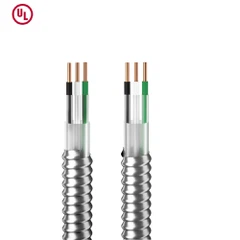
External physical protection: Although the cross-linked polyethylene of XHHW cables has a certain compressive strength, in some cases (such as deep underground or places subject to large external forces), additional protection measures may be required, such as adding an external sheath or using XHHW armored cable to enhance the physical protection capabilities of the cable.
Higher cost: Compared with other types of cables, XHHW cables are generally more expensive. For projects with tight budgets, choosing XHHW cables may increase additional costs.

3. Installation and maintenance of XHHW cables
3.1 Installation precautions
Appropriate laying depth: In order to ensure the long-term and stable operation of XHHW cables, it is necessary to follow the cable laying standards when installing underground to ensure that the cable is buried deep enough to avoid damage to the cable due to external physical impact or soil compaction.
Environmental protection: During the installation process, especially in chemically corrosive environments, it is necessary to ensure that the protective layer of the XHHW cable is not damaged. If the cable needs to pass through corrosive areas, consider using XHHW armored cable to enhance the durability of the cable.
Adapting connectors: The connectors of XHHW cables need to meet the certification requirements of UL CABLE and UL44 to ensure the electrical safety of the connection parts. The sealing and water resistance of the joint parts must be ensured during installation.
3.2 Maintenance recommendations
Regularly check the outer sheath of the cable: Regularly check whether the outer layer of the cable is mechanically damaged or aging. For underground cables with physical protection requirements, consider replacing the outer sheath regularly, especially in high-corrosion areas.
Monitor current load: During long-term use, regularly check the current load to ensure that the cable is not overloaded. If the surface temperature of the cable is found to be too high, it may be necessary to adjust the electrical load or replace it with a higher capacity cable.
