























Solar power is a key component of the global shift toward renewable energy. Photovoltaic (PV) systems, which harness solar energy to generate electricity, rely on a variety of components, and one of the most critical is the solar cable. These cables connect photovoltaic panels to other parts of the solar system, such as inverters, batteries, and distribution boards. As solar installations are often exposed to harsh outdoor environments, the cables need to meet strict performance and safety standards to ensure their reliability and longevity.
In this article, we will explore how solar cables comply with international standards such as IEC 60216, IEC 60332, and others. We will discuss the importance of these standards and how they ensure that solar cables are safe, durable, and efficient under various environmental conditions.
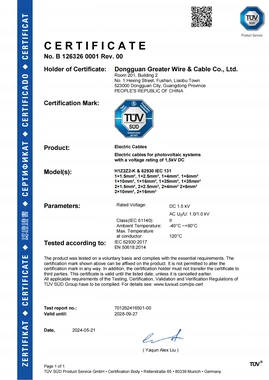
What Are Solar Cables?
A solar cable is a specialized electrical cable used to connect components of a photovoltaic system. The key function of solar cables is to carry electrical current from the solar panels to the inverter, batteries, and other parts of the system. These cables are designed to withstand outdoor conditions, including exposure to UV radiation, high temperatures, moisture, and mechanical stresses.
Solar cables come in various sizes and types, typically categorized into DC (direct current) and AC (alternating current) cables. The most common material for the conductors is copper, although aluminum is sometimes used, and they are insulated with materials such as cross-linked polyethylene (XLPE) or thermoplastic elastomers (TPE). The insulation and sheathing materials are selected to protect the cables from environmental damage while ensuring safety and efficiency in power transmission.

The Importance of International Standards for Solar Cables
International standards are essential in the solar industry to ensure that the components, such as solar cables, meet the highest levels of quality, safety, and performance. Solar cables must be reliable in diverse environmental conditions, from the dry heat of deserts to the humidity of coastal regions. International standards provide a framework for evaluating and certifying these cables, ensuring they perform as expected and do not pose safety risks.
Standards also ensure that manufacturers produce consistent, high-quality products that comply with the regulations in different countries. Compliance with international standards helps manufacturers avoid legal issues and ensures that solar cables can be used globally, making them compatible with a wide range of solar systems.

Key International Standards for Solar Cables
Several international standards govern the design, manufacturing, and testing of solar cables. These standards ensure that cables are suitable for the challenging conditions they may face in solar energy systems. Below are some of the most important standards related to solar cables:
1. IEC 60216 – Electrical Insulating Materials
IEC 60216 is a standard that specifies the requirements for the thermal endurance of electrical insulating materials. It provides testing procedures to determine how well insulating materials in cables can withstand prolonged exposure to heat. This is important for solar cables, as they are often exposed to high temperatures from both the sun and surrounding environmental conditions.
Under IEC 60216, cables are tested for thermal aging, which simulates the effects of long-term exposure to heat. Solar cables that comply with this standard ensure that their insulation will not degrade prematurely due to temperature fluctuations, thereby providing reliable performance over their lifespan.
Relevance to Solar Cables: Solar cables must perform reliably even under high temperatures and prolonged exposure to sunlight. Compliance with IEC 60216 ensures that the insulation of the cables remains intact and functional throughout the lifetime of the solar system, even in harsh environments.
2. IEC 60332 – Flame Retardant Testing
IEC 60332 is a standard that defines the test methods for determining the flame-retardant properties of cables. It is divided into various parts, such as IEC 60332-1 (testing the single cable's resistance to flames) and IEC 60332-3 (testing cable bundles). This standard ensures that cables are not prone to spreading fire in the event of an electrical fault, which is a critical safety concern in any electrical installation, including solar power systems.
Relevance to Solar Cables: Since solar cables are often installed in outdoor environments, as well as in buildings and other structures, they must be resistant to fire. Solar cables must comply with IEC 60332 to prevent the spread of flames in case of electrical failures, ensuring the safety of both the solar system and the surrounding area.
3. IEC 60502 – Power Cables
IEC 60502 covers the general specifications for power cables used in low-voltage and medium-voltage installations. This standard outlines the construction, testing, and performance characteristics of cables used in a variety of applications, including electrical power transmission.
While IEC 60502 applies to a broader range of cables, including those used in industrial and commercial applications, it still plays an important role in guiding the construction and testing of solar cables. Solar cables need to meet the relevant parts of this standard to ensure that they can reliably carry the electrical current generated by the photovoltaic system.
Relevance to Solar Cables: Compliance with IEC 60502 ensures that solar cables have the required electrical performance and durability to meet the demands of photovoltaic systems. This includes ensuring that the cables can handle the electrical current and voltage associated with solar power systems without overheating or degrading.
4. IEC 61730 – Photovoltaic (PV) Module Safety
While IEC 61730 primarily focuses on the safety requirements for photovoltaic modules (solar panels), it also includes relevant guidelines for the installation of solar components, including cables. This standard ensures that solar cables used in photovoltaic systems meet specific safety requirements, such as proper insulation and protection against electric shock.
Relevance to Solar Cables: IEC 61730 helps ensure that solar cables are part of a safe and reliable photovoltaic system. By meeting this standard, cables contribute to the overall safety of the solar energy system, reducing the risks of electrical faults, fires, and other hazards.
5. UL 4703 – Photovoltaic Wire
The UL 4703 standard, developed by Underwriters Laboratories (UL), is an American safety standard that governs photovoltaic wire used in solar power systems. It defines the performance and safety requirements for photovoltaic wires and cables, including aspects such as electrical ratings, mechanical properties, and environmental resistance. UL 4703 is widely used in North America to ensure that solar cables are suitable for use in photovoltaic systems.
Relevance to Solar Cables: UL 4703 ensures that solar cables are not only safe but also durable enough to withstand the challenging conditions encountered in solar energy systems. This standard is important for verifying that cables will not degrade over time due to exposure to UV light, moisture, or temperature extremes.
6. IEC 60364 – Low-Voltage Electrical Installations
IEC 60364 covers the installation of low-voltage electrical systems, including photovoltaic installations. It provides detailed guidelines for the wiring, protection, and installation of electrical systems in residential, commercial, and industrial settings. While not specific to solar cables, this standard provides general installation rules that must be followed for safe and effective solar power system design.
Relevance to Solar Cables: Adherence to IEC 60364 ensures that solar cables are installed correctly within the broader electrical system. This standard helps prevent issues such as overloading, short circuits, and improper cable connections, all of which can lead to inefficiency, damage, or even fire.

Solar Cable Compliance with These Standards
Solar cables that comply with international standards such as IEC 60216, IEC 60332, IEC 60502, IEC 61730, and UL 4703 are designed to meet high safety and performance criteria. The specific requirements of these standards ensure that the cables used in photovoltaic systems:
Withstand High Temperatures: Solar cables are exposed to heat from the sun, and they need to retain their insulating properties and electrical conductivity even under high temperatures. Compliance with IEC 60216 ensures that cables do not degrade prematurely due to thermal stress.
Are Flame-Resistant: Given that solar cables are often installed in buildings or other structures, fire resistance is a critical concern. Compliance with IEC 60332 ensures that cables can resist ignition and prevent the spread of fire in case of electrical faults.
Perform Safely and Efficiently: Compliance with standards such as IEC 60502 and UL 4703 ensures that solar cables are capable of handling the electrical loads they are designed for without overheating or losing efficiency.
Provide Electrical Safety: Standards like IEC 61730 and IEC 60364 ensure that solar cables, when properly installed, contribute to the overall safety of the photovoltaic system, reducing the risk of electrical shocks, short circuits, and system failures.