


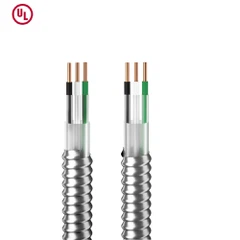
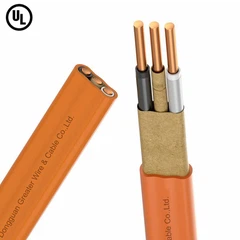
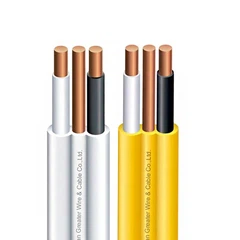
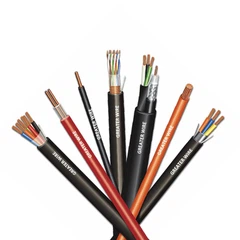

Choosing the right type of cable is far more critical than most engineers or buyers realize. Whether you are working in industrial automation, robotics, EV charging, renewable energy, building wiring, or advanced manufacturing, the decision between Flexible Cable and Solid Wire directly affects your system's performance, safety, and long-term operational cost. The wrong choice can lead to unexpected downtime, reduced signal stability, faster cable fatigue, and costly maintenance-issues that disrupt projects and impact productivity.
The right choice, however, ensures reliable connectivity, smoother installation, longer service life, and overall better efficiency. Each cable type has unique structural characteristics, mechanical behavior, and application advantages, and understanding these differences is essential for making an informed decision.
In this article, we provide a clear, engineering-level comparison of Flexible Cable vs Solid Wire to help you select the best option for your specific application-backed with professional insights, industry use cases, and expert recommendations.
What Is Flexible Cable and Solid Wire?
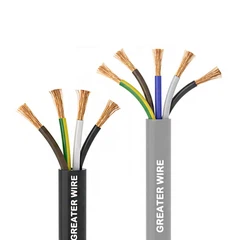
Flexible Cable (Stranded Wire)
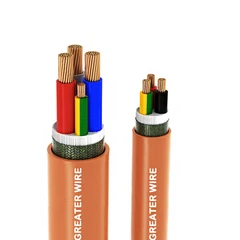
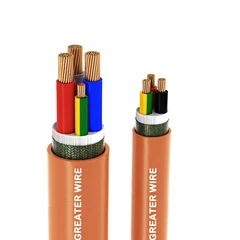
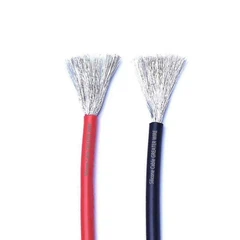
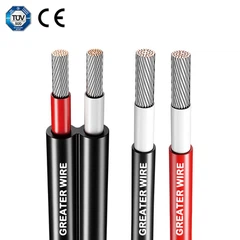
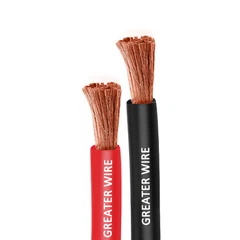
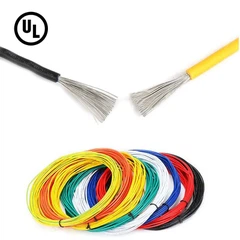
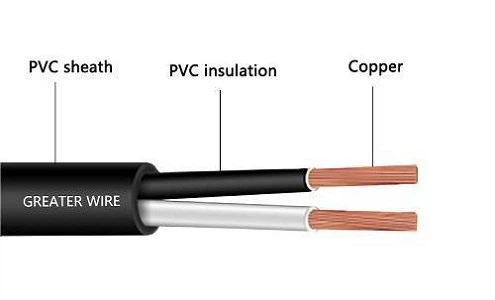
Flexible cable consists of multiple fine copper strands twisted together, covered by specialized insulation and sheathing materials.
Key Features:
- High flexibility
- Excellent bending endurance
- Suitable for continuous movement
- Better vibration resistance
- Ideal for dynamic or mobile applications
Solid Wire (Single-Core Wire)
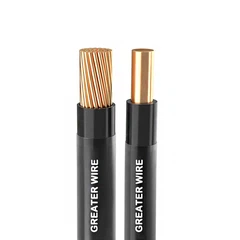
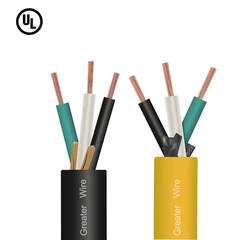
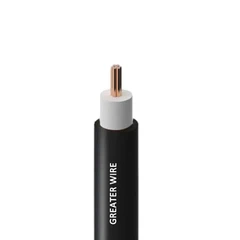
Solid wire contains one single solid conductor.
Key Features:
- Higher conductivity per unit area
- More stable in fixed installations
- Less flexible but more rigid
- Lower cost
- Ideal for static wiring and long-distance conduction
Technical Comparison: Flexible Cable vs Solid Wire
Technical Parameter Comparison
| Parameter | Flexible Cable | Solid Wire |
|---|---|---|
| Structure | Multi-stranded | Single solid conductor |
| Flexibility | Excellent | Poor |
| Bending Radius | Small radius, supports repeated bending | Large radius, not suitable for movement |
| Vibration Resistance | High | Low |
| Conductivity | Slightly lower (due to air gaps between strands) | Higher |
| Installation Difficulty | Easy to route through tight spaces | More difficult in narrow channels |
| Durability in Motion | Very high | Very low |
| Best Use Cases | Dynamic equipment, robotics, drag chains | Fixed building wiring, panels, long-run circuits |
Application Scenarios & Industry Use Cases
Flexible Cable – Best for Dynamic & High-Performance Environments
- Robot arms & automation machinery
- Drag chain systems & cable carriers
- EV chargers & new energy systems
- CNC machines & moving platforms
- Railway, marine, aerospace
- Audio, data, and instrumentation requiring vibration resistance
Solid Wire – Best for Static Installations
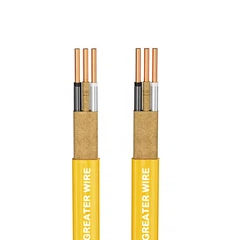
- Building wiring & electrical distribution
- Switchgear cabinets
- Fixed industrial panels
- Home appliances internal static wiring
- Long-distance power transmission in fixed setups
How to Choose the Right Cable for Your Application
Consider Movement & Flexing Requirements
- If the cable moves frequently → choose Flexible Cable
- If the cable stays fixed → Solid Wire is sufficient
Evaluate Environmental Conditions
- Temperature changes
- Oils, chemicals, UV, humidity
- Mechanical stress
Flexible cables with specialized jackets (PVC, PUR, TPE) often outperform solid wires in harsh industrial environments.
Consider Installation Limitations
- Tight spaces, frequent bending → flexible
- Straight routes and static conduits → solid
Consider Project Cost vs Lifetime Cost
Flexible cable may cost more initially but significantly reduces:
- Maintenance
- Replacement
- Downtime losses
Check Certification Requirements
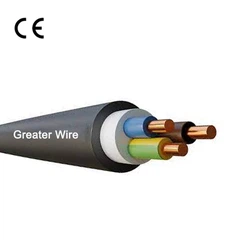
Certain industries require internationally certified cables (VDE / CE / CB).
Certified cables ensure safety, compliance, and smoother international project audits.
Common Mistakes & Professional Recommendations
Reality:
Solid wire breaks easily under vibration or repeated bending.
Correct Approach:
Use flexible cable for any application involving motion or vibration.
Reality:
The wrong choice can lead to overheating, insulation cracks, or premature failure.
Correct Approach:
Match the cable to the specific mechanical and environmental requirements.
Reality:
Mechanical properties often determine cable lifespan more than conductivity.
Correct Approach:
Prioritize mechanical performance in robotic, mobile, or industrial applications.
Reality:
Lack of certification may cause:
- Failed inspections
- Compliance issues
- Safety hazards
- Insurance denial
Correct Approach:
Use cables with VDE / CE / CB / RoHS certifications for safer and globally compliant projects.
What We Can Offer You
At Dongguan Greater Wire & Cable Co., Ltd., we bring 30 years of manufacturing experience and a complete product ecosystem to support projects of any size-from small prototyping to large-scale industrial deployments.
Why Choose Our Flexible Cable Products?
✔ Complete certifications: VDE / CE / CB / RoHS
✔ High-flex, long-life industrial-grade design
✔ Superior bending endurance for robotics & automation
✔ Stable performance under vibration, oil, temperature and mechanical stress
✔ Fully customizable (materials, insulation, shielding, diameter, length)
✔ Expert engineering guidance for cable selection
✔ Dedicated pre-sale & after-sale technical support
✔ Strong production capacity + fast delivery
Our flexible cable solutions deliver:
- Higher operational stability
- Reduced maintenance frequency
- Longer equipment lifespan
- Overall lower cost for industrial customers
If you want to avoid cable failures and maximize system performance, our certified flexible cables are the ideal choice.
Contact Us for Technical Support & Quotation
Dongguan Greater Wire & Cable Co., Ltd.
📞 Tel/WhatsApp/Wechat: +86 135 1078 4550 / +86 136 6257 9592
📧 Email: manager01@greaterwire.com
Whether your project is large or small, our engineers are ready to provide professional cable selection advice, sample support, and complete product solutions.