

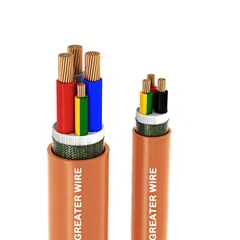
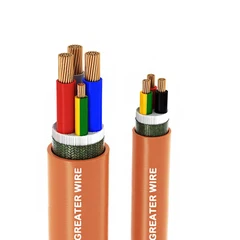

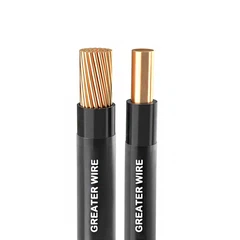
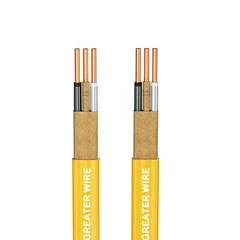
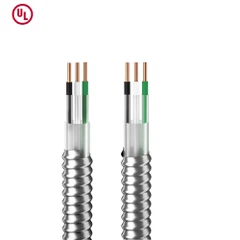

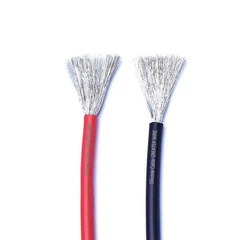
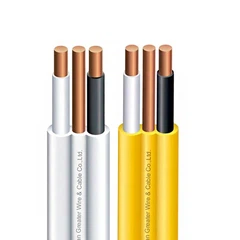
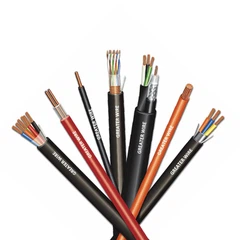
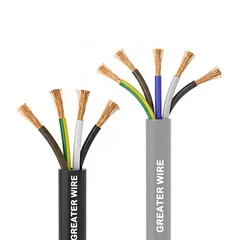
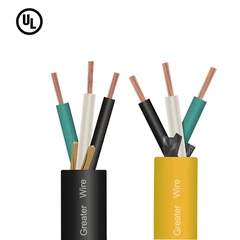
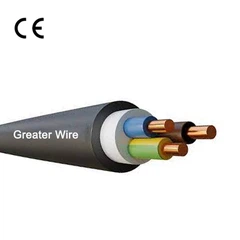
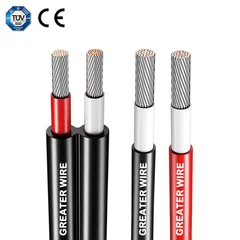

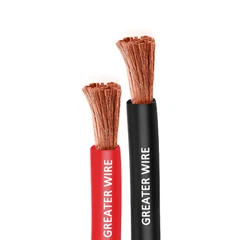
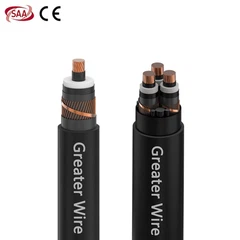
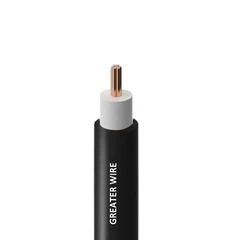
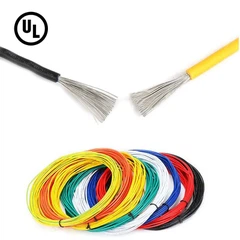
THHN wire, also known as Thermoplastic High Heat-resistant Nylon-coated wire, is a cornerstone of modern electrical systems, valued for its robust construction and versatility. Among its many advantages, the chemical resistance of THHN wire is a key factor in its widespread use across industries. This article examines the chemical-resistant properties of THHN wire, its suitability for challenging environments, and how it compares with other wire types.


What is THHN Wire?
THHN wire is designed for a variety of electrical applications, thanks to its durable and multi-layered construction. Key components include:
Copper or Aluminum Conductor: The core of the wire that conducts electricity.
Thermoplastic Insulation: Provides electrical insulation and heat resistance.
Nylon Coating: A protective outer layer that enhances the wire's mechanical and chemical resistance.
This combination of materials makes THHN wire, or wire THHN, a popular choice for installations in residential, commercial, and industrial settings.

Chemical Resistance of THHN Wire
Nylon Coating as a Protective Shield
The nylon outer jacket is a significant factor in THHN wire's chemical resistance. Nylon is highly resistant to a range of chemicals, including:
Oil and Gasoline: The nylon layer prevents degradation when exposed to hydrocarbons, making THHN wire ideal for industrial plants and fuel-related applications.
Acids and Alkalis: It offers resistance to mild acids and bases, ensuring long-term durability in chemically challenging environments.
Resistance to Environmental Chemicals
THHN wire demonstrates exceptional performance in environments where it might encounter chemicals such as cleaning agents, solvents, or lubricants. This property is crucial for wiring systems in factories, laboratories, and other industrial facilities.

Thermoplastic Insulation Properties
While the nylon jacket provides external chemical resistance, the thermoplastic insulation contributes additional protection against certain corrosive substances. This dual-layer protection ensures the wire's longevity in chemically aggressive environments.
Testing and Standards Compliance
THHN wire complies with industry standards such as UL 83, which includes tests for resistance to oil and chemicals. Compliance with these standards confirms its ability to withstand exposure to commonly encountered industrial chemicals.

Applications in Chemically Demanding Environments
The chemical-resistant properties of THHN wire make it suitable for a wide range of applications:
Industrial Facilities: Where exposure to oils, greases, and chemicals is common.
Chemical Plants: Environments with frequent contact with acids, alkalis, and other reactive substances.
Marine Applications: The wire resists degradation from saltwater and related chemicals, ensuring reliability in harsh marine conditions.
Underground Installations: THHN wire's resistance to soil chemicals enhances its suitability for buried conduit installations.
Comparison with Other Wire Types
THHN vs. XHHW
THHN Wire: Known for its balance of chemical and heat resistance due to the nylon jacket.
XHHW Wire: Offers superior chemical resistance, particularly in wet environments, due to cross-linked polyethylene insulation.
THHN vs. MTW (Machine Tool Wire)
THHN Wire: Provides a broader range of applications with better chemical resistance, especially against oils.
MTW Wire: More flexible but less resistant to certain chemicals compared to THHN.
THHN vs. TFFN (Thermoplastic Flexible Fixture Nylon)
THHN Wire: Better suited for industrial environments due to its higher chemical resistance.
TFFN Wire: Primarily used in lighting fixtures and has lower chemical resistance.

Factors Influencing Chemical Resistance
While THHN wire is chemically resistant, certain factors can influence its performance:
Type of Chemical Exposure: Prolonged exposure to highly concentrated or aggressive chemicals can affect its durability.
Temperature: Elevated temperatures may accelerate chemical interactions and reduce the lifespan of the wire.
Mechanical Stress: Abrasion or cuts in the nylon coating can compromise chemical resistance.
Maintenance and Best Practices
To maximize the chemical resistance of THHN wire:
Use Conduit Protection: Enclosing the wire in a conduit provides additional protection against chemical exposure.
Avoid Direct Prolonged Exposure: Where possible, minimize direct contact with aggressive chemicals.
Inspect Regularly: Routine inspections can identify potential damage to the nylon jacket or insulation, preventing failures.