

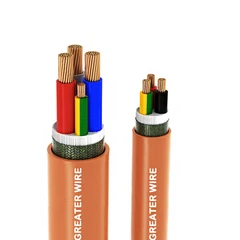
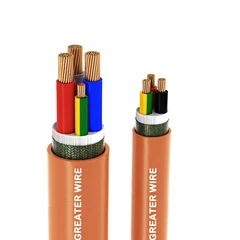

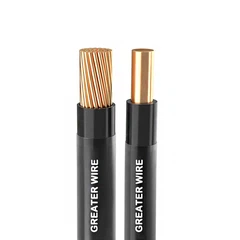
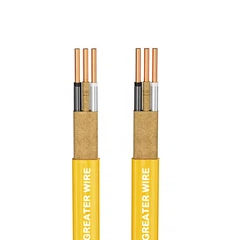
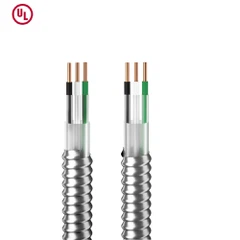
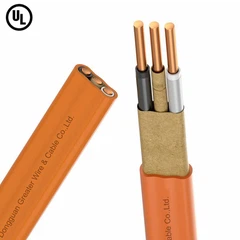
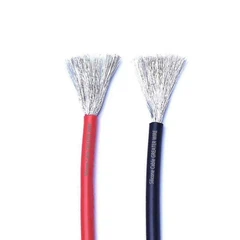
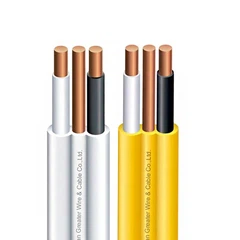
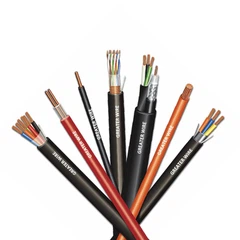
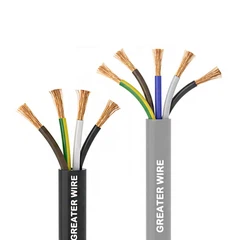
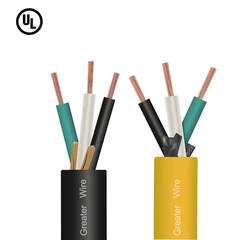
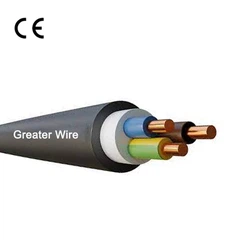
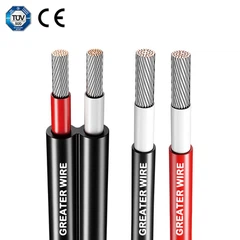

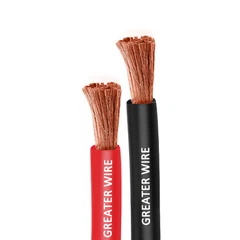
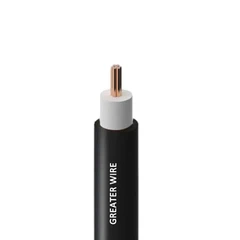
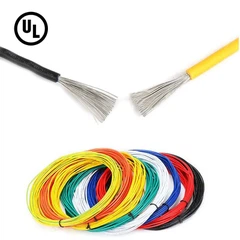
THHN wire, or Thermoplastic High Heat-resistant Nylon-coated wire, is a fundamental component of modern electrical systems. Its durability, versatility, and adherence to safety standards make it a preferred choice for various installations. This article examines the environments and applications where THHN wire or wire THHN excels, highlighting its adaptability to meet diverse electrical demands.


Overview of THHN Wire Construction
THHN wire is engineered for optimal performance across a range of conditions. Its composition includes:
Conductor Material: Typically copper or aluminum, providing excellent electrical conductivity.
Thermoplastic Insulation: A heat-resistant layer that ensures electrical safety and stability.
Nylon Jacket: A protective outer layer offering mechanical strength, chemical resistance, and abrasion protection.
This combination allows THHN wire to operate effectively in demanding environments while complying with safety standards such as UL 83.

Suitable Environments for THHN Wire
Dry Locations
THHN wire is primarily designed for dry environments. Its thermoplastic insulation and nylon coating perform reliably in areas without exposure to moisture. Common dry-location installations include:
Indoor electrical systems
Wiring in residential and commercial buildings
Control panels and switchboards
Damp Locations
Although not as moisture-resistant as some specialized cables, THHN wire can be used in damp locations when properly installed in conduit. Typical damp applications include:
Basements and crawl spaces
Industrial facilities with occasional humidity
Outdoor installations shielded from direct water contact
High-temperature Environments
With a temperature rating of up to 90°C (194°F) in dry locations, THHN wire is well-suited for areas subject to elevated heat levels. Examples include:
Machinery rooms
HVAC systems
Environments with significant heat-generating equipment
Chemical-rich Environments
The nylon jacket offers resistance to oils, gasoline, and mild acids, making THHN wire ideal for chemical plants, refineries, and manufacturing facilities.
Underground Installations (in Conduit)
While THHN wire is not rated for direct burial, it can be used in underground installations when encased in protective conduit. This application is common in:
Underground power distribution systems
Outdoor lighting systems
Industrial infrastructure

Applications of THHN Wire
Residential Wiring
THHN wire is frequently used in residential electrical systems, thanks to its versatility and cost-effectiveness. Applications include:
Lighting circuits
Outlet wiring
Service panels
Commercial Wiring
In commercial buildings, THHN wire supports a wide range of electrical needs, including:
Office lighting systems
HVAC wiring
Elevator systems
Industrial Applications
Industrial facilities often rely on THHN wire for its durability and resistance to challenging conditions. Specific uses include:
Motor control wiring
Power supply for heavy machinery
Wiring in chemical processing plants
Marine and Coastal Applications
The chemical resistance and protective nylon coating make THHN wire suitable for marine environments. Applications include:
Wiring in ships and boats
Dockside power systems
Marine control panels
Renewable Energy Systems
THHN wire is increasingly used in renewable energy installations, such as solar and wind systems. Common applications include:
Solar panel wiring
Inverter connections
Battery storage systems
Data Centers and Technology Hubs
In environments requiring precise and reliable electrical systems, THHN wire is used for:
Server room wiring
Backup power systems
Control panels for IT equipment
Temporary Installations
The flexibility and ease of installation make THHN wire a popular choice for temporary setups, such as:
Event lighting systems
Temporary construction site wiring
Portable generator connections

Advantages of THHN Wire for Specific Applications
Cost-Effectiveness
THHN wire provides excellent performance at a reasonable cost, making it an economical choice for large-scale projects.
Ease of Installation
Its smooth nylon jacket reduces friction, simplifying the process of pulling wires through conduit.
Safety and Compliance
THHN wire adheres to strict industry standards, ensuring safe and reliable operation in diverse environments.
Durability
The combination of thermoplastic insulation and nylon coating offers long-term reliability, even in harsh conditions.

Limitations and Considerations
While THHN wire is versatile, it is important to consider its limitations:
Not Suitable for Direct Burial: Requires conduit for underground installations.
Moisture Sensitivity: In wet locations, THHN wire must be installed as THWN or THWN-2 to meet moisture resistance requirements.
Abrasion Risks: Though the nylon jacket provides some protection, extreme mechanical stress can damage the wire.
To maximize its performance, adhere to proper installation guidelines and match the wire type to the specific application.