

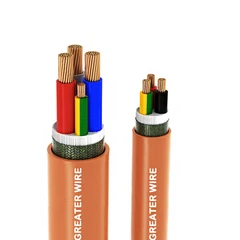
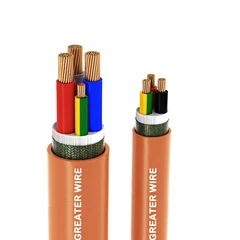

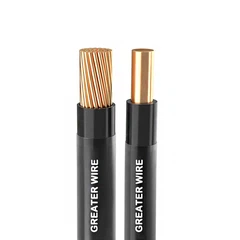
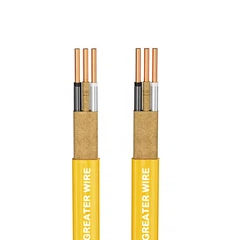
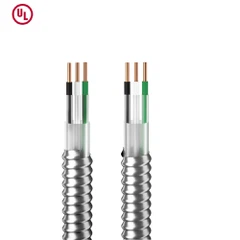
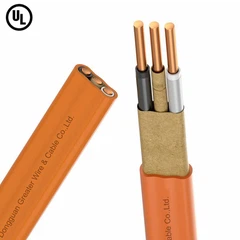
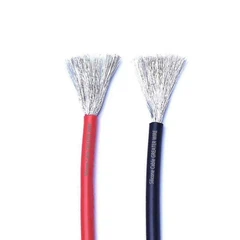
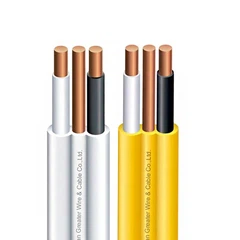
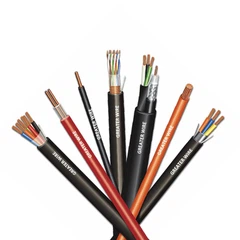
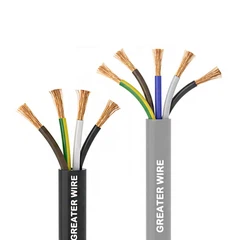
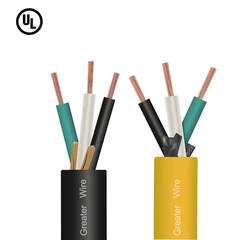
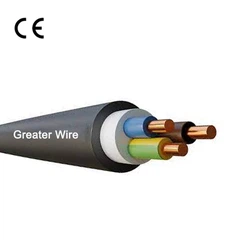
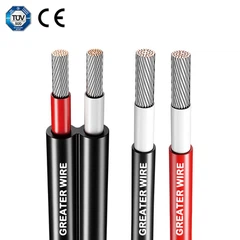

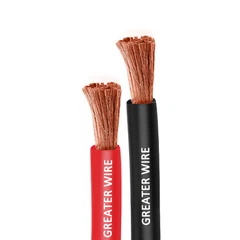
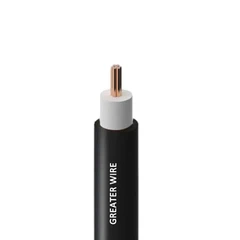
UF-B (Underground Feeder-B) cables are widely used for outdoor and underground electrical installations, thanks to their durability, water resistance, and robust insulation. Whether you're powering garden lights, garages, or outdoor outlets, one common question arises: how many times can a UF-B cable be bent before it risks breaking?
In this article, we'll explore the factors that influence bending durability, the importance of following industry standards, and practical tips to maximize the lifespan of your UF-B cables. By the end, you'll know how to handle UF-B wire safely and effectively-without compromising performance.
Understanding UF-B Cable
What is UF-B Cable?
UF-B cables, also known as underground feeder cables, are designed for direct burial or outdoor installations. Unlike standard indoor wiring, UF-B is built to withstand moisture, sunlight, and physical stress. Its structure typically consists of:
- Outer jacket: Protects against UV exposure, water, and chemical corrosion.
- Insulation layers: Safeguard the copper conductors and prevent short circuits.
- Copper conductors: Provide efficient and stable electrical transmission.
Key Properties of UF-B Cable
Compared to NM-B (indoor) cables, UF-B wire is stiffer and less flexible, meaning bending requires careful handling. It also comes in various gauges such as 14/2, 12/2, and 10/2, with larger gauges being thicker and less easy to bend. UF-B's rugged design makes it ideal for outdoor use, but proper handling is critical to prevent damage.
Factors Affecting Bending Durability
Several factors influence how many times a UF-B cable can be bent without damage:
Cable Gauge
Thicker cables (lower gauge numbers) have larger copper conductors and insulation layers, which require more force to bend and are less tolerant of repeated flexing.
Temperature and Environment
Cold temperatures make the cable stiffer and more prone to cracking. Prolonged exposure to sunlight or harsh weather can also degrade the outer jacket, reducing flexibility and bending tolerance.
Cable Quality
High-quality UF-B cables are manufactured with superior materials, offering better flexibility, tensile strength, and longevity. Lower-quality alternatives may fail more quickly under repeated bends.
Bend Frequency and Sharpness
Repeatedly bending the cable in the same spot or creating sharp angles can quickly damage both the insulation and copper conductors. Gentle curves and careful handling are key.

Understanding Minimum Bend Radius (NEC Guidelines)
What is Bend Radius?
The bend radius is the smallest radius a cable can be bent without causing damage. For UF-B cables, this is typically 5 to 8 times the cable's diameter. Maintaining the correct bend radius is far more important than counting the number of bends.
NEC Recommendations
According to the National Electrical Code (NEC), UF-B cables should never be bent sharply or excessively at a single point. Avoid 90-degree corners and repeated adjustments in the same location to ensure compliance and safety.
Practical Example
For a 12/2 UF-B cable with a diameter of 0.375 inches, the minimum safe bend radius is approximately 3 inches (0.375 × 8). Staying within this radius prevents stress on the copper conductors and insulation, ensuring long-term reliability.
How Many Times Can a UF-B Cable Be Bent?
General Guidelines
If the cable is bent within the safe radius, UF-B wire can tolerate multiple bends. However, avoid repeatedly bending it in the same spot. Over time, even proper bending will gradually stress the insulation and copper strands.
Approximate Bend Tolerance
| Cable Gauge | Safe Bend Radius | Estimated Bend Cycles |
|---|---|---|
| 14/2 | ~2.5 inches | 15–20 times |
| 12/2 | ~3 inches | 10–15 times |
| 10/2 | ~4 inches | <10 times |
Signs of Cable Damage
- Cracks or splits in the outer jacket
- Soft or hollow spots along the cable
- Overheating or short circuits during operation
If any of these signs appear, the cable should be replaced immediately to avoid safety hazards.
Best Practices for Bending UF-B Cable
- Use the Right Tools: Employ cable rollers, bend guides, or conduits to minimize stress.
- Warm Up the Cable in Cold Weather: Slightly warming the cable improves flexibility and reduces the risk of cracking.
- Secure the Cable Properly: Use cable clamps or supports to prevent sagging or strain.
- Plan Your Route: Minimize repeated bends by carefully planning the cable's path from the start.
By following these tips, you can ensure a long-lasting, safe installation for both small and large projects.

Safety and Compliance
Always prioritize safety. Make sure UF-B cable installations comply with NEC regulations and local codes. Use GFCI-protected circuits for outdoor outlets, and routinely inspect buried or exposed cables for signs of wear or damage.
Choose us Dongguan Greater Wire & Cable Co., Ltd.
UF-B cable is a durable, high-performance solution for underground and outdoor electrical wiring. Its bending durability depends on gauge, bend radius, environment, and handling, rather than a fixed number of bends. Observing proper bend radius, following NEC standards, and taking precautions during installation ensures the cable remains safe and reliable for years to come.
At Dongguan Greater Wire & Cable Co., Ltd., we offer top-quality UF-B wire and comprehensive technical support for projects of any size-from residential installations to large-scale commercial or industrial projects. Our team provides professional pre-sales guidance and responsive after-sales service, helping clients address technical challenges efficiently.
For high-performance UF-B cable solutions and expert assistance, contact us today:
Tel / WhatsApp / WeChat: +86 135 1078 4550 / +86 136 6257 9592
Email: manager01@greaterwire.com
Choose Greater Wire & Cable for reliable, long-lasting UF-B wiring-safeguarding your electrical projects with quality and expertise.