


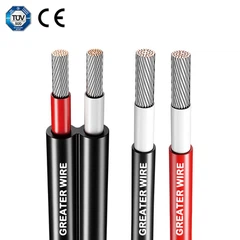

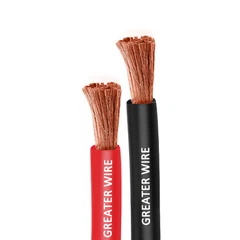
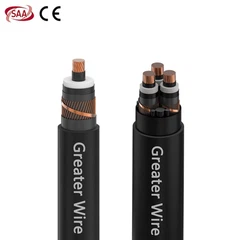
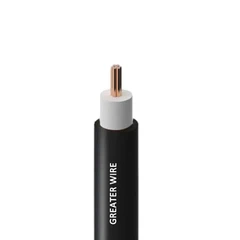
When choosing electrical wires, one material often stands out among engineers, manufacturers, and technicians: PTFE (Polytetrafluoroethylene), commonly known under the brand name Teflon. With modern technology demanding wires that can handle more extreme environments-higher temperatures, tighter spaces, chemical exposure, or longer service life-PTFE wire has become a widely recognized solution. But what exactly makes PTFE good for electrical wires, and why are more global industries adopting it as a standard choice?
This article will explore PTFE wire from multiple perspectives: what it is, its properties, common models, practical applications, and how to select the right type. Along the way, we will also show why working with a trusted manufacturer like Dongguan Greater Wire & Cable Co., Ltd. ensures not only reliable performance but also long-term value in demanding projects across industries.
What Is PTFE Wire?
PTFE wire is an electrical cable insulated with polytetrafluoroethylene, a high-performance fluoropolymer known for its exceptional resistance to heat, chemicals, and electrical stress. Unlike standard PVC-insulated wires, PTFE wires maintain their structure and performance across a wide temperature range, typically from –60 °C to +200 °C, with some models capable of even higher.
The insulation itself is smooth, non-stick, and resistant to moisture and oils. That makes PTFE wire particularly valuable in applications where cables must survive constant stress, whether inside aerospace systems, high-frequency electronics, or industrial equipment exposed to harsh environments.
One of the unique aspects of PTFE insulation is its dielectric strength. Even in very thin layers, PTFE provides excellent insulation, making wires lighter and more space-efficient without sacrificing safety. For industries where every gram matters-such as aviation or medical devices-this becomes a decisive advantage.

What Are the Properties of PTFE Wire?
When comparing PTFE wires to other insulation types like PVC or silicone rubber, PTFE almost always positions itself as the premium option. Its features can be understood in several key dimensions:
- Thermal stability: PTFE can handle extreme temperature swings without cracking, softening, or losing performance. In factories with high ambient heat, or in outdoor environments with freezing nights and scorching days, this stability ensures long-term reliability.
- Chemical resistance: Oils, fuels, acids, bases, and solvents have minimal effect on PTFE insulation. This is why it is often used in petrochemical plants or laboratories.
- Low friction surface: PTFE is naturally non-stick, so wires slide easily through conduits, reducing installation difficulty and minimizing mechanical wear over time.
- Electrical reliability: Its dielectric properties make it suitable for high-frequency signals, precision instruments, and sensitive communication equipment.
To bring this to life with an example: imagine an automotive engine bay where wires are constantly exposed to vibration, oil, and high heat. A typical PVC cable might degrade over time, causing cracks and short circuits. A PTFE wire, however, continues performing reliably, protecting both the system and the end user.
Common Models of PTFE Wire
The family of PTFE-insulated wires is broad, covering different standards, conductor constructions, and certification requirements. For instance:
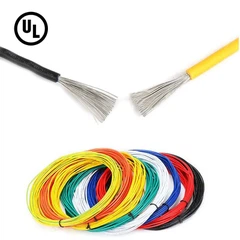
- UL1213, UL1330, UL1331, UL1332, UL1333: Widely recognized in North America, certified under UL standards, covering various voltage and temperature classes.
- MIL-W-16878: Military-grade PTFE wires used in aerospace and defense, ensuring robust performance under mission-critical conditions.
- High-frequency coaxial PTFE cables: Designed for telecommunications, radar, and RF systems.
Rather than being one product, "PTFE wire" represents an entire category. Some wires use solid copper conductors, while others use finely stranded tinned copper for maximum flexibility. Different wall thicknesses or jacket designs are also available depending on whether the end application requires light weight, higher voltage capacity, or additional mechanical toughness.
Applications of PTFE Wire
The true value of PTFE insulation becomes clear when looking at real-world applications. These wires have become indispensable across industries:
- Aerospace and aviation: PTFE wires are used in aircraft control systems, communication units, and engines where safety cannot be compromised. Their ability to perform at high altitude and temperature extremes makes them irreplaceable.
- Automotive: In electric vehicles and high-performance cars, PTFE wires ensure reliable current delivery even under vibration and constant exposure to lubricants and heat.
- Medical equipment: Devices like surgical tools, diagnostic machines, and imaging equipment require high reliability in compact designs. PTFE wires, with their slim insulation and high dielectric strength, fit perfectly.
- Electronics and data systems: High-frequency transmission and low-loss signal performance make PTFE cables a natural fit for telecommunications, radar, and advanced computing equipment.
- Industrial and chemical plants: Resistance to corrosive chemicals and thermal cycles means PTFE wire maintains long service life in demanding environments where downtime is costly.
Picture a refinery where hundreds of meters of cable are exposed to corrosive fumes, moisture, and heat. Using standard insulation would mean frequent replacements, while PTFE's resistance provides years of dependable service, reducing both cost and maintenance time.
How to Choose the Right PTFE Wire
While PTFE wire is versatile, not every type suits every application. A few guiding principles help ensure the right selection:
1.Match voltage and temperature ratings: For example, UL1332 is rated at 600 V and +200 °C, suitable for high-demand equipment, while other models may be lighter for signal transmission.
2.Conductor type: Solid conductors are ideal for fixed installations, while stranded conductors provide flexibility for dynamic or vibrating environments.
3.Certification requirements: Industries like aerospace or medical devices require strict compliance (e.g., MIL or UL listings), making certified models essential.
Choosing without considering these factors can lead to over-engineering (unnecessary cost) or underperformance (safety risks). At Greater Wire & Cable, our engineering team regularly helps customers match PTFE models to their exact project needs, ensuring both compliance and cost efficiency.
What to Keep in Mind When Using PTFE Wire
Even though PTFE is robust, proper handling ensures maximum lifespan:
Avoid sharp bending radii that may stress the conductor.
Use appropriate stripping tools, as PTFE insulation can be slippery and harder to cut cleanly than PVC.
Ensure compatibility with connectors, since PTFE insulation thickness may vary across models.
By following these simple practices, installers can make the most of PTFE's unique properties and avoid avoidable installation issues.
Is PTFE Good for Electrical Wires?
Returning to our central question: Yes, PTFE is excellent for electrical wires. It offers thermal resistance, chemical durability, electrical reliability, and long service life unmatched by most other insulation materials. Its value is particularly visible in industries where downtime, safety risks, or environmental stress could cause severe losses.
However, the key is not only in choosing PTFE as a material but also in working with a supplier who can provide consistent quality, multiple certifications, and tailored guidance. That is where Dongguan Greater Wire & Cable Co., Ltd. plays a critical role.
Why Choose Dongguan Greater Wire & Cable Co., Ltd.?
At Greater Wire & Cable, we do not simply produce wires-we deliver reliability. With a modern factory spanning over 50,000 m², fully automated production lines, and a quality management system that tracks every step from copper drawing to final packaging, we ensure each PTFE wire meets or exceeds global standards.
Our portfolio covers UL, MIL, and international certifications, making it easier for customers to pass audits, certifications, or product testing in their local markets. With over 80 countries and regions served-including North America, Latin America, Oceania, Asia, Europe, Africa, and the Middle East-we have built a strong reputation as a global supplier.
Customization is also one of our strengths: whether customers need specific lengths, colors, markings, or export packaging tailored to local regulations, our team provides fast, accurate, and flexible solutions. Add to that our 24/7 technical support and customer service, and it becomes clear why so many international companies trust Greater Wire & Cable as their long-term partner.
So, is PTFE good for electrical wires? Absolutely. It is not just "good"-in many cases, it is the best choice. From extreme environments in aerospace and chemical plants to precise, sensitive systems in medical equipment, PTFE wires consistently prove their value. By combining advanced material properties with thoughtful selection and professional support, companies can achieve both safety and efficiency.
And with Dongguan Greater Wire & Cable Co., Ltd., customers gain more than just a supplier-they gain a partner dedicated to innovation, compliance, and reliability in every meter of wire produced.
Dongguan Greater Wire & Cable Co., Ltd.
Tel/WhatsApp/Wechat: +86 135 1078 4550 / +86 136 6257 9592
Email: manager01@greaterwire.com