























In photovoltaic (PV) systems, solar cables are essential components that facilitate the transmission of electrical energy from solar panels to the inverter and other parts of the system. These cables are exposed to various environmental factors, such as temperature fluctuations, moisture, and humidity. The performance and longevity of solar wires are significantly influenced by their ability to resist degradation caused by exposure to these environmental conditions. One of the critical aspects of solar cables is their resistance to high humidity and humid environments, as moisture exposure can lead to insulation breakdown, corrosion, and system failure.
PV1-F cables are commonly used in solar power systems due to their excellent performance under outdoor and harsh environmental conditions. However, the question arises: Is the PV1-F cable suitable for use in high humidity or humid environments? In this article, we will explore the characteristics of PV1-F cables that make them suitable for such conditions, and how they compare to other solar cables when exposed to moisture and high humidity.
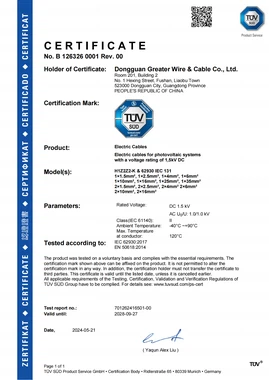
1. Understanding PV1-F Cable Construction
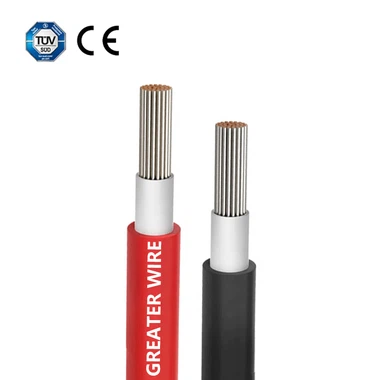
PV1-F cables are designed specifically for use in photovoltaic systems. They typically consist of several key components, each contributing to the cable's performance in different environmental conditions:
Conductor: The conductor is usually made from high-quality copper, which provides excellent electrical conductivity and ensures the efficient transmission of power from the solar panels to the rest of the system.
Insulation: The insulation of PV1-F cables is typically made from cross-linked polyethylene (XLPE), a material known for its high thermal stability and resistance to environmental degradation.
Outer Sheath: The outer sheath of PV1-F cables is commonly made from PVC (Polyvinyl Chloride) or LSZH (Low Smoke Zero Halogen) materials, both of which are designed to protect the cable from external factors such as moisture, UV radiation, and physical abrasion.
The construction of the PV1-F cable ensures it is durable, flexible, and capable of withstanding various environmental challenges, including exposure to high humidity and water.
2. The Effect of Humidity on Solar Cables
Humidity refers to the level of moisture present in the air. High humidity environments, such as coastal regions, tropical climates, and areas with heavy rainfall, can have significant effects on the longevity and performance of solar wires. When solar cables are exposed to high levels of moisture, they can suffer from the following issues:
Insulation Degradation: Prolonged exposure to moisture can cause the insulation around the conductor to degrade, leading to electrical shorts, increased resistance, or failure of the cable.
Corrosion: High humidity levels can promote the formation of corrosion on the metal conductors, especially in cables that are not designed to resist moisture or saltwater. Corrosion can reduce the cable's conductivity and shorten its service life.
Mold and Mildew Growth: In very damp conditions, moisture can accumulate within the cable sheath, potentially causing the growth of mold or mildew, which can degrade the performance and safety of the cable.
Physical Damage: Constant exposure to water or high humidity can lead to the swelling of insulation materials, making them brittle and prone to cracking or physical damage.
For solar cables used in environments with high humidity, these issues must be addressed to ensure long-term durability, safety, and efficient operation.
3. How PV1-F Cables Are Built to Withstand High Humidity
PV1-F cables are specifically designed to withstand challenging environmental conditions, including high humidity. The key features of these cables that make them suitable for use in humid environments are:
3.1 Water Resistance
One of the most critical factors for solar cables exposed to high humidity is water resistance. PV1-F cables are engineered with materials that prevent water ingress into the cable, which helps protect the insulation and prevent moisture-related degradation. The cross-linked polyethylene (XLPE) insulation provides an additional layer of protection against water and moisture, ensuring that the cable maintains its electrical integrity even in wet environments.
The outer sheath of PV1-F cables, made from PVC or LSZH, is also designed to be water-resistant, providing a protective barrier against external moisture. These materials prevent water from entering the cable, even in environments with high levels of humidity.
3.2 UV and Weather Resistance
The outer sheath of PV1-F cables is treated to be UV-resistant, which not only protects the cable from sunlight exposure but also ensures that the cable's sheath does not degrade in humid environments that may have frequent exposure to rain or dew. The weather-resistant nature of these cables means they can function reliably in both hot and cold temperatures, high humidity, and even extreme weather conditions.
The PVC or LSZH sheaths also offer abrasion resistance, ensuring that the cables are not damaged by physical wear from weather or environmental factors such as wind, snow, or rain. This adds to the overall durability of PV1-F cables in areas with high humidity.
3.3 Corrosion Resistance
Another significant concern in high humidity areas is corrosion. PV1-F cables are constructed with materials that help prevent corrosion on the copper conductors. The cross-linked insulation and water-resistant outer sheath minimize the risk of moisture penetration and corrosion. Additionally, PVC or LSZH materials are designed to prevent the formation of corrosion on the exterior of the cable, further enhancing the cable's reliability and lifespan.
3.4 Long-Term Durability
PV1-F cables are specifically designed for outdoor and solar installations, meaning they are built to last in all types of environments. Cross-linked polyethylene (XLPE) insulation is not only resistant to high temperatures but also to the effects of moisture, ensuring that PV1-F cables maintain their performance over many years, even in humid environments.
The flexibility of the cable also ensures that it can be easily installed in areas with varying humidity levels without the risk of the material cracking or becoming brittle.

4. Real-World Applications of PV1-F Cables in Humid Environments
PV1-F cables have been widely used in various locations, including:
Coastal Areas: Coastal regions are known for their high humidity levels and saltwater exposure, which can be harmful to electrical systems. PV1-F cables' resistance to moisture and saltwater makes them ideal for solar installations in coastal regions.
Tropical Climates: In tropical climates with high humidity and frequent rainfall, PV1-F cables provide reliable performance by resisting degradation from prolonged moisture exposure.
Rain-Prone Regions: Areas with frequent and heavy rainfall can cause the insulation and conductors of solar wires to deteriorate over time. PV1-F cables' ability to resist water ingress and moisture damage makes them suitable for such regions.
In all these environments, PV1-F cables offer durability, safety, and efficiency in the face of high humidity and damp conditions.

5. Comparison to Other Solar Cables in Humid Environments
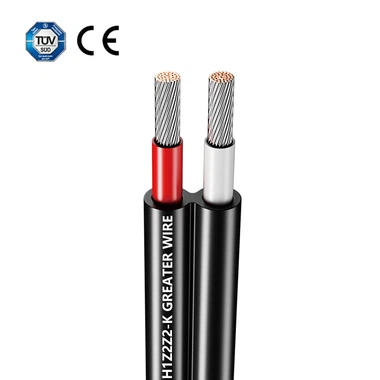
When comparing PV1-F cables to other types of solar cables, such as H1Z2Z2-K cables, it's clear that both are designed with durability in mind. However, there are some key differences:
H1Z2Z2-K cables tend to have a higher temperature tolerance and are more commonly used in harsh industrial environments, but PV1-F cables have better resistance to moisture and humidity due to their specific construction and insulation materials.
PV1-F cables are more commonly used for solar installations, making them a more specialized option for solar power systems in humid and tropical regions.
H1Z2Z2-K cables are typically more flexible and can be used in applications with extreme weather conditions, but PV1-F cables have the edge in terms of moisture resistance.
Ultimately, both cable types are robust and capable of operating in challenging environments, but PV1-F cables are particularly suitable for areas where humidity and moisture exposure are significant concerns.