


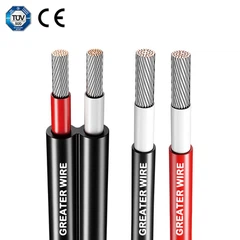

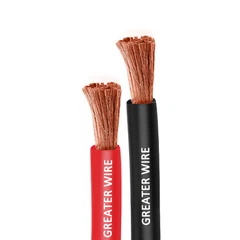
When it comes to automotive wiring, choosing the right type of cable is crucial for safety, reliability, and performance. The engine bay, battery connections, and electrical systems in modern vehicles are often exposed to extreme heat, vibration, oil, and chemical environments. This raises an important question: is silicone wire good for automotive applications?
In this article, we will explore the material characteristics of silicone electrical wire, its performance in harsh automotive environments, and how it compares to traditional wiring options like PVC and rubber cables. We will also highlight real-world automotive applications where flexible silicone wire has become the preferred choice.
Is Silicone Wire Suitable for Automotive Applications?
Silicone wire is increasingly used in modern automotive systems due to its flexibility, high heat resistance, and durability. Unlike conventional PVC wires, silicone cables remain reliable even under constant exposure to heat, vibration, and oil - all of which are common in vehicles.
For example, in high-performance sports cars or electric vehicles, silicone electrical wire is often selected to handle the higher operating temperatures and energy demands that standard wires cannot withstand.
Core Material Characteristics of Silicone Wire
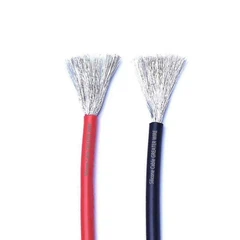
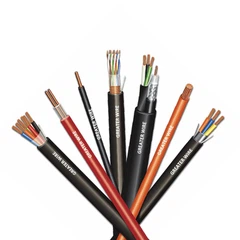
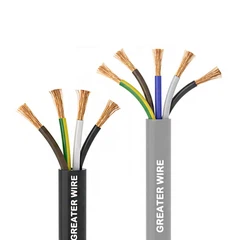
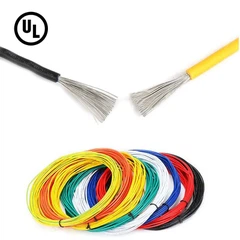
The primary reason silicone wire excels in automotive applications is its insulation material. The wire uses tinned copper conductors combined with silicone rubber insulation.
- Conductor: Ultra-fine stranded tinned copper ensures high conductivity and superior flexibility.
- Insulation: Silicone rubber offers thermal stability, UV resistance, and resistance to cracking even after long-term use.
These material properties make flexible silicone wire far more durable than standard automotive wiring.

Reliability in High-Temperature Environments
Automotive engine compartments often exceed 150°C, especially near exhaust systems or turbochargers. Silicone wire can typically withstand -60°C to +200°C, making it an ideal choice for engine bay wiring harnesses.
For example, ignition cables in performance cars frequently use silicone insulation because PVC would melt or harden under similar conditions.
Flexibility in Low-Temperature Conditions
In addition to high-heat resistance, silicone cable remains flexible even at extremely low temperatures. Unlike PVC cables, which become brittle in freezing conditions, flexible silicone wire maintains its bend radius at -60°C, making it suitable for vehicles used in cold climates like Northern Europe, Canada, or Russia.
This flexibility ensures easier installation, reduced risk of cracking, and improved long-term reliability.
Resistance to Oil and Chemical Corrosion
Automotive environments are often exposed to oil, fuel, coolants, and cleaning chemicals. Standard insulation materials degrade quickly in these conditions, but silicone electrical wire resists most automotive fluids, ensuring a longer service life.
For example, wiring routed near the engine oil filter or fuel system benefits greatly from silicone insulation, which prevents cracking and electrical leakage caused by chemical attack.
Automotive Industry Standards and Certifications
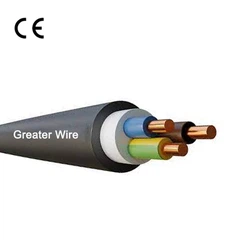
Silicone wire is widely recognized by international standards, including:
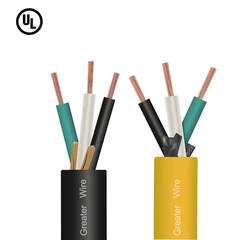
- UL (Underwriters Laboratories) for flame resistance and insulation performance.
- SAE (Society of Automotive Engineers) standards for automotive wiring harnesses.
- ISO/TS 16949 certifications for quality management in automotive manufacturing.
These certifications ensure that silicone cables meet stringent automotive safety and reliability requirements.
Silicone Wire vs. Traditional Automotive Wires
To understand why silicone wire is superior, let's compare it with common alternatives:
| Property | Silicone Wire | PVC Wire | Rubber Wire |
|---|---|---|---|
| Temperature Range | -60°C to +200°C | -20°C to +80°C | -30°C to +120°C |
| Flexibility | Excellent | Poor in cold, stiffens in heat | Good, but ages quickly |
| Oil/Chemical Resistance | Strong | Moderate | Moderate |
| Lifespan | 10+ years | 3–5 years | 5–7 years |
| Applications | Engine bay, ignition, EV systems | Standard low-cost wiring | General-purpose flexible wiring |
Typical Automotive Applications of Silicone Wire
Silicone cable is widely used in:
- Ignition systems (spark plug wires, ignition coils)
- Battery connections in electric and hybrid vehicles
- Sensors and control units exposed to harsh conditions
- Lighting systems in off-road or outdoor vehicles
- Motors and alternators where vibration and heat are constant challenges
For instance, electric vehicles (EVs) heavily rely on silicone insulated wires for high-current circuits due to their ability to maintain insulation integrity under thermal stress.
Why Choose Greater Wire & Cable?
At Dongguan Greater Wire & Cable Co., Ltd., we are proud to deliver high-quality silicone electrical wire tailored for automotive industries worldwide.
Advanced Manufacturing Equipment: We utilize international-grade extrusion, stranding, cabling, and sheathing production lines to ensure precision and consistency.
- Complete Product Range: From silicone cable to specialty flexible silicone wire, we cover the full spectrum of automotive wiring needs.
- Flexible Logistics: We support partial shipments, urgent orders, and warehouse drop-shipping to meet diverse customer requirements.
- Low MOQ & Prototyping Support: We accept small batch and sample orders, helping customers test before large-scale deployment.
- 24/7 Customer Service: Our dedicated technical support team is available around the clock to provide immediate assistance.
We combine decades of export experience with a strong commitment to quality, customization, and fast delivery, making us your trusted long-term partner in the automotive wire industry.
📞 Contact Us Today:
Dongguan Greater Wire & Cable Co., Ltd.
Tel/WhatsApp/Wechat: +86 135 1078 4550 / +86 136 6257 9592
Email: manager01@greaterwire.com