


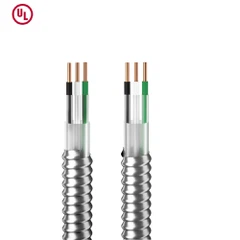
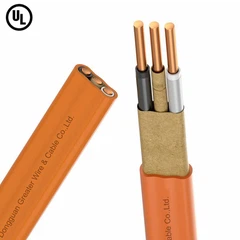
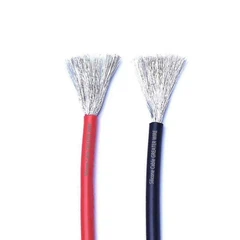
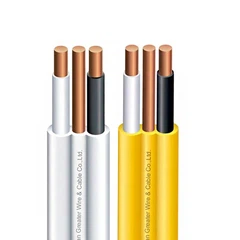

When it comes to modern electrical projects-whether in household appliances, industrial machinery, or specialized high-temperature environments-one question arises again and again: Is silicone wire heat resistant? The short answer is yes, but to truly understand why, it helps to first explore what silicone cable is, what makes it unique, and why it has become such an essential material for today's electrical and engineering solutions.
What Is Silicone Cable?
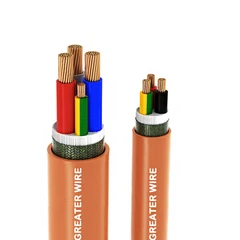
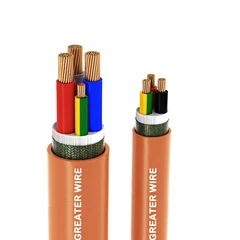
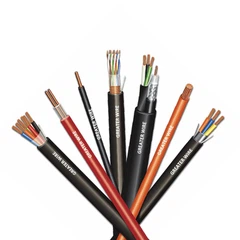
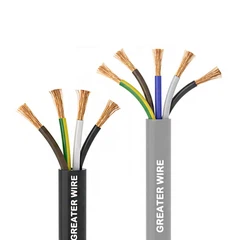
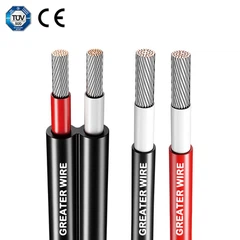
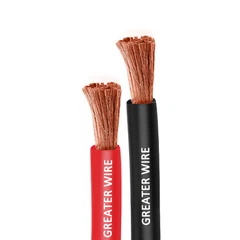
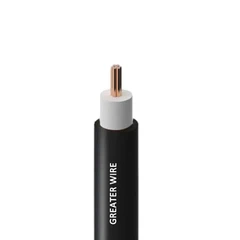
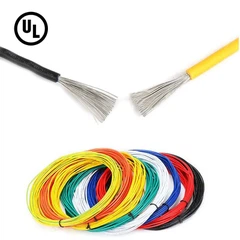
Silicone cable is an insulated electrical wire that uses silicone rubber as its primary insulation material, paired with high-purity copper or tinned copper conductors. Unlike traditional PVC-insulated wires, silicone cable is designed to maintain stability and flexibility even under extreme conditions. Think of it as the "athlete of the cable world"-always ready to perform in environments where ordinary wires might quickly fail.
Engineers often choose silicone cables for applications where temperature extremes, chemical exposure, or continuous mechanical movement could otherwise compromise safety. From laboratory test equipment to ovens, motors, and even aerospace systems, silicone cables are the quiet heroes that ensure power keeps flowing.

Key Features of Silicone Cable
What sets silicone wire apart from conventional options is its combination of physical and electrical characteristics. First and foremost, temperature resistance. Silicone insulation can typically withstand operating temperatures ranging from -60°C up to +180°C or even +200°C in certain formulations. That means the same wire that performs reliably in freezing storage facilities can also handle the scorching heat inside industrial ovens.
Another defining feature is flexibility. Unlike stiff, brittle wires that crack over time, silicone maintains a soft, bendable structure even after years of use. For electricians, this makes installation far easier, especially in tight enclosures or complex switchboards where wires need to be bent and routed without damage.
Beyond heat and flexibility, silicone also offers excellent dielectric strength (resistance to electrical breakdown), ozone and UV stability, and resistance to moisture and many chemicals. In practical terms, this means silicone wire won't easily degrade when exposed to sunlight, oil, or atmospheric pollutants, extending its service life in harsh environments.
Is Silicone Cable Really Heat Resistant?
The question at the heart of this discussion deserves a clear answer. Yes-silicone cable is heat resistant, and that's exactly what it was designed for. For example, in industrial food processing plants, ovens and heaters often require wiring that operates consistently at over 150°C. Ordinary PVC wires would harden, crack, or even melt under these conditions, but silicone wires continue to perform safely.
Similarly, in the automotive industry, engine compartments generate both high heat and continuous vibration. A silicone-insulated cable can withstand both challenges simultaneously, reducing the risk of short circuits, electrical failure, or costly downtime. In fact, many automotive manufacturers have adopted silicone wiring for sensors, ignition systems, and battery connections for this very reason.
This resistance is not limited to high heat. Silicone also remains flexible at very low temperatures-sometimes as low as -60°C-making it ideal for outdoor installations, freezer facilities, or aerospace applications where cables must perform reliably at altitude.
Application Environments for Silicone Cable
The versatility of silicone wire explains its wide adoption across industries.
In household appliances, silicone wires are used in ovens, coffee machines, toasters, and even hairdryers, where internal components generate continuous heat. In industrial settings, they are found in steel mills, glass factories, and chemical plants-environments that put enormous stress on materials. In renewable energy systems, silicone cables are used in solar installations, where they endure prolonged exposure to sunlight and fluctuating temperatures.
Perhaps most impressively, silicone cables are employed in aerospace and military equipment, where the stakes could not be higher. When satellites, rockets, or advanced vehicles rely on safe wiring under extreme conditions, silicone insulation ensures uninterrupted performance.
Choosing the Right Silicone Cable for Your Project
With so many options available, how can engineers or project managers choose the right silicone cable? The answer lies in evaluating three core factors: temperature rating, conductor size, and certification.
For example, a laboratory furnace might require silicone wires rated at 200°C to ensure long-term safety. A residential appliance might only need cables with a lower rating but higher flexibility for easy assembly. Conductor size also matters-ranging from small-gauge wires for delicate electronics to large cross-sectional cables for heavy machinery.
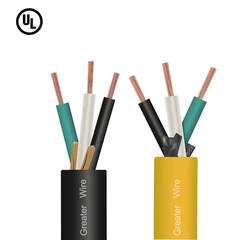
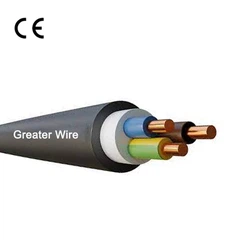
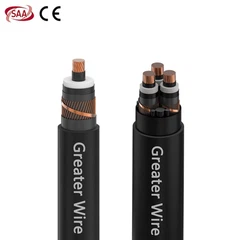
Equally important are certifications. Standards such as AS/NZS, IEC/EN, UL, or SAA verify that the silicone wire meets rigorous safety and performance requirements. Using certified products ensures compliance with local regulations and reduces risk for both installers and end users.
When in doubt, consult with a reliable manufacturer who not only provides the product but also offers professional guidance tailored to your project's specific requirements.
Why Choose Dongguan Greater Wire & Cable Co., Ltd.?
At this point, you might be wondering: among so many suppliers, why should you choose us? The answer is simple: experience, quality, and trust.
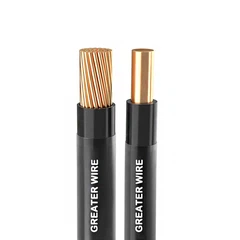
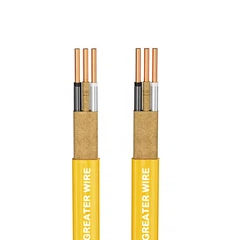
Greater Wire has been a professional wire and cable manufacturer for decades, specializing in silicone wire, ground wire, and TPS cable. Our production lines are equipped with advanced extrusion and stranding equipment to ensure consistent conductor quality and precise insulation thickness.Every batch undergoes rigorous quality control-from conductor resistance testing to high-voltage endurance tests-before it ever reaches our customers.
We hold internationally recognized certifications including SAA, UL, TUV, and CB, proving that our products meet or exceed safety requirements in multiple markets. More importantly, our team has extensive export experience across Oceania, Europe, Asia, and the Americas, supplying everything from bulk orders for industrial contractors to customized solutions for specialized engineering firms.
Beyond the technical side, we are committed to customer satisfaction. Our engineers and support staff are always ready to recommend the best cable specifications for your project, answer technical questions, and ensure timely delivery. By partnering with Greater Wire, you are not just buying a product-you are investing in peace of mind.
So, is silicone wire heat resistant? Absolutely. But more than that, it is a reliable, versatile, and future-ready solution for any application where ordinary wires fall short. From home appliances to heavy industry, from renewable energy to aerospace, silicone cables provide the durability and performance that modern systems demand.
If you are looking for a trusted supplier who combines cutting-edge technology with proven reliability, Dongguan Greater Wire & Cable Co., Ltd. is here to serve you. We deliver more than just cables-we deliver confidence, safety, and long-term value.
📞 Contact Us Today
Dongguan Greater Wire & Cable Co., Ltd.
Tel/WhatsApp/Wechat: +86 135 1078 4550 / +86 136 6257 9592
Email: manager01@greaterwire.com