



1. Understanding XHHW Cable Ratings and Underground Suitability
XHHW cables are designed for both wet and dry locations, making them a popular choice for indoor and outdoor applications. However, their underground compatibility depends on specific construction and insulation properties.
Key Ratings and Standards
UL 44 and UL 83 Compliance: XHHW cables meet Underwriters Laboratories (UL) standards for flame resistance, heat tolerance (up to 90°C in dry conditions and 75°C in wet environments), and water resistance.
NEC Compliance: The National Electrical Code (NEC) permits XHHW for direct burial if installed in conduit or raceways, depending on local codes.
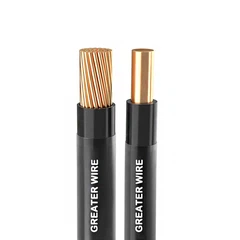
For underground use, XHHW-2 aluminum and copper variants are particularly robust due to their thicker insulation and cross-linked polyethylene (XLPE) jackets, which resist moisture, chemicals, and physical abrasion.
2. Performance Advantages of XHHW Cables in Underground Applications
Moisture and Chemical Resistance
XHHW's XLPE insulation provides exceptional protection against water ingress, a critical feature for underground installations where soil moisture and corrosive elements are prevalent. For example:
6 AWG XHHW copper wire: Ideal for residential underground circuits due to its balance of conductivity and moisture resistance.
1/0 XHHW copper wire: Used in industrial settings for high-current applications, such as feeder lines buried in conduit.
Durability Under Pressure
Underground cables face mechanical stress from soil movement and external pressure. XHHW's rugged construction ensures longevity, even in challenging environments:
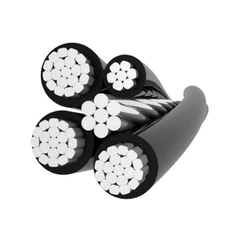
XHHW-2 aluminum underground cable: Combines lightweight aluminum conductors with XLPE insulation, reducing costs while maintaining durability for commercial projects.
Thermal Stability
The cross-linked polyethylene insulation withstands high temperatures, preventing degradation in buried conduits where heat dissipation is limited. This makes 1 AWG XHHW wire suitable for solar farm grounding systems or underground service entrances.

3. Comparing XHHW to Other Cable Types
XHHW cable has significant advantages over other common cable types (such as THHN, THWN, etc.), especially in terms of high temperature resistance and water resistance. First, XHHW cable uses cross-linked polyethylene (XLPE) as insulation material, which has stronger heat resistance and can generally withstand operating temperatures up to 90°C (in wet environments), while THHN cable is generally only 75°C. This makes XHHW cable particularly suitable for use in hot or humid environments, reducing the need for cable replacement or maintenance. In addition, XHHW cable has stronger water resistance and UV resistance, which makes it perform better in outdoor or underground applications, especially in environments with high moisture or exposure to sunlight. Compared with THWN cables, XHHW cables have a longer service life in terms of moisture resistance and aging resistance. In general, although XHHW cables may cost more than other types of cables, their excellent durability and low maintenance requirements make them an ideal choice for demanding environments.

4. Installation Best Practices for Underground XHHW Cables
When installing XHHW cables underground, it is critical to follow best practices to ensure the long-term reliability and safety of the cables. First, it is key to select the appropriate cable specifications and models to ensure that they meet the design requirements and can withstand the expected loads and environmental conditions. XHHW cables are ideal for underground power wiring due to their excellent resistance to high temperatures, water and UV rays.
During installation, the path of the cables should be clear and unobstructed to avoid any physical damage. The cables should be placed in appropriate trenches, and the bottom of the trenches should be flat and free of sharp objects to prevent damage to the cables. Using a suitable protective layer, such as a sand cushion or additional pipe protection, can also help enhance the durability of the cables.
In addition, considering the humid nature of the underground environment, special attention should be paid to the sealing of the joints and terminals during installation to prevent moisture from penetrating into the cable, causing short circuits or other failures. Regular inspection and maintenance of the cable system is also a necessary measure to ensure its normal operation.
By following these best practices, the service life of underground XHHW cables can be maximized to ensure the stable and safe operation of the power system.

5. Case Studies: Real-World Applications
In a large commercial construction project, underground XHHW cables were selected for the installation of the power distribution system. The project is located in a humid climate area, and underground power lines need to withstand high temperature and high humidity environments. To ensure the stable operation of the power system, XHHW-2 cables that meet UL 44 standards were selected. The cables use cross-linked polyethylene insulation materials and have excellent resistance to high temperatures, water and UV rays.
During the installation process, the cables were placed in pre-dug trenches and an additional protective layer was used to prevent rocks and other substances that may cause cable damage. To ensure the waterproofness of the joints and terminals, special sealing technology was used to avoid cable failures caused by humid environments. The installation of this power system not only ensures the reliability of power supply, but also reduces the subsequent maintenance costs.
After the project was completed, the XHHW cable demonstrated excellent performance in harsh underground environments, greatly improving the stability and safety of the power system. This case shows the powerful advantages of XHHW cables in underground applications, especially in high-demand environments.

6. FAQs About XHHW Underground Use
Q: Can XHHW-2 aluminum be buried directly?
A: Yes, but conduit is recommended for added protection against environmental stressors.
Q: Is 1 AWG XHHW wire suitable for wet locations?
A: Absolutely-its insulation meets UL standards for wet conditions, including underground installations.

As a trusted cable supplier in the US market, Dongguan Greater Wire & Cable Co., Ltd. has the world's leading production technology and automated production lines to ensure that the quality of each cable meets UL standards (UL83, UL44, UL719, UL493, UL62, UL758, UL1569, UL66, UL1063, UL1277), and meets NEC and CSA standards. The THHN WIRE, TC-ER CABLE, XHHW WIRE, NM-B CABLE, MC CABLE, UF-B CABLE, MTW CABLE we supply are suitable for residential, commercial, industrial and power projects. As a factory direct supplier, we can provide you with the most competitive prices while ensuring fast delivery. Whether you need bulk purchases or customized services, we can meet your needs! Contact us now for free samples and quotes!