



1. Understanding XHHW Wire: Specifications and Standards
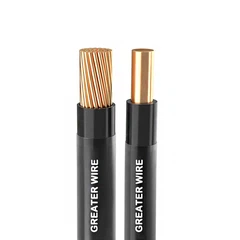
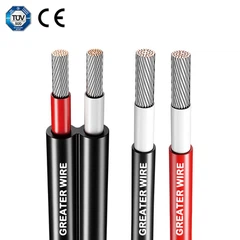
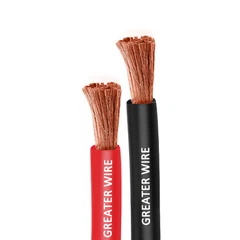
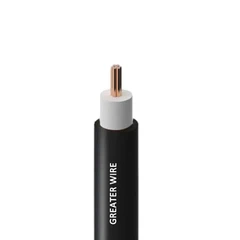
XHHW (Cross-Linked Polyethylene High Heat-Resistant Water-Resistant) wire is a widely recognized building wire designed for both residential and commercial applications. The XHHW-2 wire specification denotes an upgraded version with enhanced thermal and mechanical properties, making it ideal for challenging environments like high-rises.
Key Specifications of XHHW-2 Wire
Insulation Material: Cross-linked polyethylene (XLPE) provides superior heat resistance (rated up to 90°C in dry conditions and 75°C in wet environments).
Voltage Rating: Typically rated for 600V, suitable for power and lighting circuits in commercial buildings.
Conductors: Available in copper or aluminum, with stranded or solid configurations for flexibility and durability.
Compliance: Meets UL 44, UL 83, and National Electrical Code (NEC) standards, ensuring fire resistance and safety.
The XHHW-2 variant is specifically designed to withstand higher temperatures and harsher conditions than standard XHHW, a critical feature for vertical installations in high-rises where heat buildup and moisture exposure are common.
2. Performance Advantages of XHHW Building Wire
High-rise buildings demand wiring solutions that balance safety, longevity, and efficiency. Here's how XHHW conductors excel:
A. Thermal Stability and Fire Resistance
XLPE insulation in XHHW-2 wire offers exceptional resistance to thermal degradation. This property is vital in high-rises, where electrical systems often run through riser shafts prone to heat accumulation. Unlike PVC-insulated wires, XHHW maintains integrity even at elevated temperatures, reducing fire risks.
B. Moisture and Chemical Resistance
The water-resistant jacket of XHHW wire ensures reliable performance in damp environments, such as basements or mechanical rooms. Additionally, its resistance to oils, solvents, and acids makes it suitable for industrial sections of high-rises.
C. Mechanical Durability
High-rise installations require wires that can endure physical stress during and after installation. XHHW's robust insulation resists abrasion, crushing, and impact, minimizing the risk of damage in crowded conduit systems.
D. Flexibility and Ease of Installation
Stranded XHHW conductors offer flexibility, simplifying routing through tight spaces-a common challenge in multi-story buildings. This reduces labor costs and installation time.

3. Applications in High-Rise Buildings
The unique demands of high-rises-such as vertical power distribution, fire safety compliance, and energy efficiency-make XHHW-2 wire a preferred choice.
A. Vertical Riser Systems
High-rises rely on vertical risers to distribute power across floors. XHHW's lightweight yet durable design reduces load on support structures, while its flame-retardant properties align with fire codes requiring low smoke and zero halogen (LSZH) materials in riser shafts.
B. Emergency and Life Safety Systems
Fire alarms, emergency lighting, and HVAC systems in high-rises require wiring that remains operational during emergencies. XHHW-2's ability to function under high heat ensures continuity, critical for occupant safety.
C. Energy-Efficient Power Distribution
Modern high-rises increasingly prioritize energy efficiency. XHHW's low impedance reduces energy loss over long distances, supporting sustainable design goals. This aligns with trends in high-rise optimization, such as those seen in cold-region buildings where energy consumption is a key focus.

4. Compliance with High-Rise Building Codes
Electrical systems in high-rises must adhere to strict codes, such as the NEC, International Building Code (IBC), and local regulations. XHHW-2 wire meets or exceeds these requirements:
NEC Article 310: Specifies temperature ratings and insulation types for building wires, which XHHW-2 satisfies.
Fire Safety Standards: Complies with NFPA 70 and 72 for fire-resistant wiring in emergency systems.
Seismic Performance: While not directly related to wiring, high-rises in earthquake-prone regions require flexible and durable systems. XHHW's mechanical resilience supports structural stability during seismic events.

5. Case Studies and Industry Trends
While specific data on XHHW in high-rises is limited, broader trends in building wire selection highlight its growing adoption:
Prefabrication and Modular Construction: High-speed assembly techniques, as seen in projects like C-House, benefit from XHHW's ease of integration.
Smart Buildings: The rise of IoT-enabled systems in high-rises demands reliable wiring for data and power integration. XHHW's noise-resistant properties reduce electromagnetic interference.
Sustainability Initiatives: XHHW aligns with LEED certification goals by minimizing energy waste and using recyclable materials.
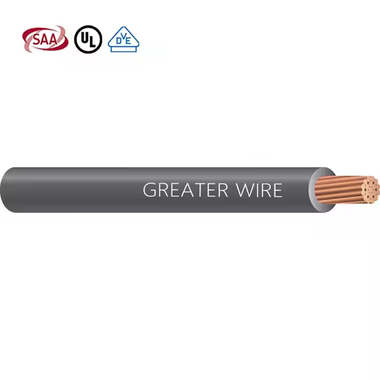
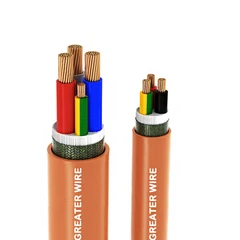
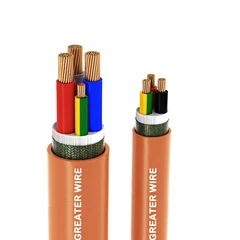
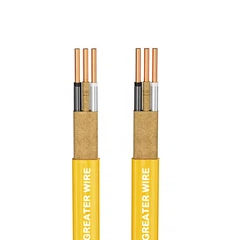
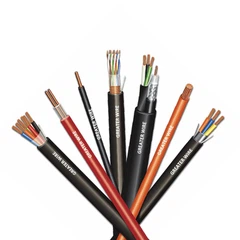
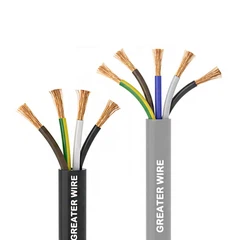
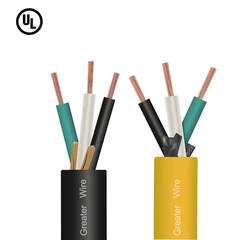
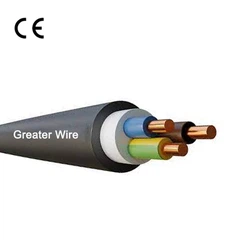
In the US cable market, Dongguan Greater Wire & Cable Co., Ltd.'s price and certification advantages are highlights. Our products have passed UL83, UL44, UL719, UL493 UL1277 and other certifications, and the quality is reliable. The large-scale production and high production efficiency can effectively reduce costs. The price is 25% lower than that of local US brands, providing you with high-quality, low-priced cable products. Whether it is a commercial building or a residential project, we can provide you with high-quality cable solutions.