

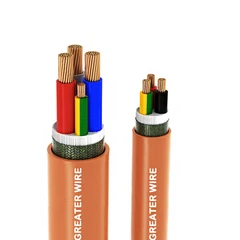
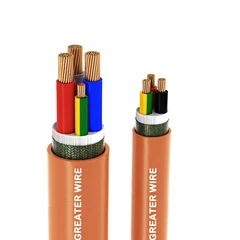

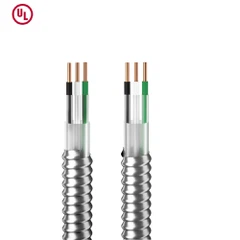
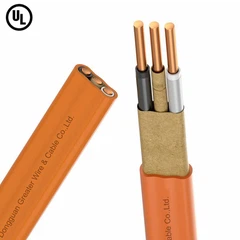
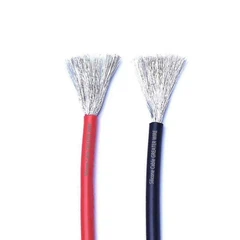
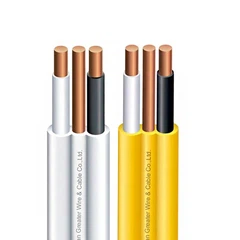
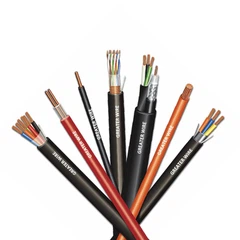
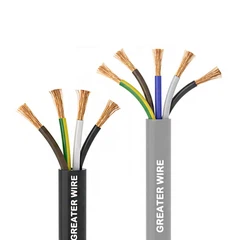
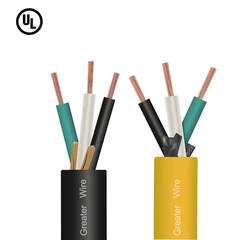
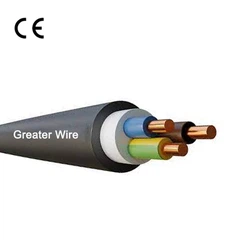
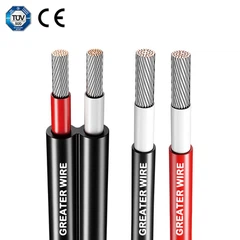

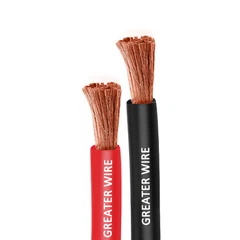
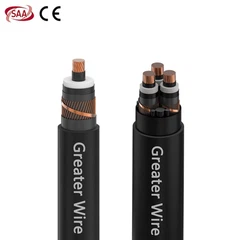
TC-ER cable is widely used for industrial and commercial exposed wiring due to its conduit-free installation advantage. This guide breaks down key TC-ER cable installation standards, core TC-ER cable NEC requirements, valid application scenarios and common violations to help electricians and contractors achieve fully code-compliant TC-ER wiring.
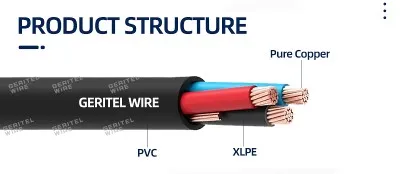
1. What Makes TC-ER Different Under NEC Code?
Per NEC Article 336, standard TC tray cables are only permitted to run inside cable trays. TC-ER (Tray Cable – Exposed Run) features enhanced crush resistance, impact resistance and outdoor UV resistance, gaining special NEC approval for exposed open-air installation outside trays and conduits. This is the key reason TC-ER replaces traditional TC cables for machine drops, equipment connections and exposed overhead runs in modern projects.
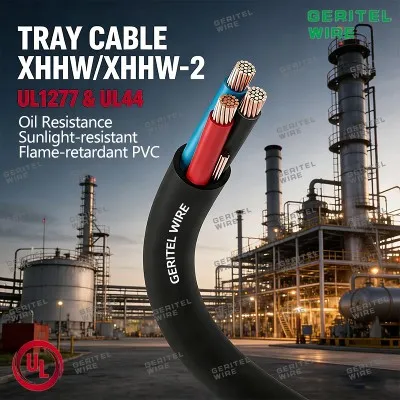
Most qualified dual rated TC-ER cable products comply with UL 1277 certification and meet NEC 336.10 rating requirements for exposed-run eligibility, dual rated for both tray and exposed run applications.
2. Core TC-ER Cable NEC Requirements & Standard TC-ER Cable Installation Rules
2.1 Maximum Unsupported Run Distance (6-Foot Rule)
This is the most critical and frequently enforced rule in professional TC-ER cable installation. NEC 336 allows unsupported exposed runs up to 6 feet (1.8 meters) when transitioning between cable trays and terminal equipment. This exception eliminates unnecessary conduit usage and simplifies on-site construction.
Critical rule: Beyond 6 feet, continuous mechanical support is mandatory; otherwise, the installation fails electrical inspection.
2.2 Cable Support & Securing Standards
For all exposed TC-ER runs exceeding the 6-foot exception range, cables must be firmly secured at intervals of no more than 6 feet. Supports must be rigid, non-corrosive, and avoid sharp edges that may damage the outer jacket. At tray exit points, dedicated support is required to protect the cable's minimum bending radius and prevent conductor deformation or insulation damage.
2.3 Permitted Installation Locations
Per NEC code, TC-ER cable is approved for:
Open exposed runs along walls, ceilings, and structural frames
Direct transitions between cable trays and industrial equipment
Indoor and outdoor applications with sunlight-resistant jacket ratings
General commercial, industrial, and residential light commercial wiring
2.4 Grounding & Circuit Protection
NEC mandates all TC-ER installations include a built-in equipment grounding conductor inside the cable assembly. Proper grounding ensures effective fault current discharge and prevents electric leakage or equipment static interference. For motor and VFD circuit wiring, overcurrent protection must follow NEC 430 series standards to match conductor size and load current.
2.5 Hazardous Location Restrictions
Standard TC-ER cables can be used in Class I, II, III Division 2 hazardous locations per NEC 500 series regulations. However, additional sealed fittings and protective measures are required for special hazardous environments to meet full code compliance. They are not permitted for Division 1 high-risk explosive environments.
3. Strict NEC Prohibitions & Common Mistakes
No direct burial without rated certification: Ordinary TC-ER cannot be buried underground unless marked with direct-burial approval.
Limited residential use: NEC restricts TC-ER inverter circuit applications only to one/two-family dwellings, prohibiting use in multi-story residential and non-residential buildings.
No overlength unsupported runs: Exceeding the 6-foot free-run limit is the top reason for inspection rejection.
No damaged jacket installation: Scratched, cracked or deformed outer jackets violate NEC safety requirements and must be replaced immediately.

4. Best Practices for Code-Compliant TC-ER Installation
Choose genuine UL 1277 listed dual rated TC-ER cable with clear TC-ER marking, which fully complies with all TC-ER cable NEC requirements and ensures qualified TC-ER cable installation for exposed run eligibility
Reserve standard bending radius to avoid insulation stress and long-term aging
Separate high-power and signal TC-ER runs properly; use shielded TC-ER for high-EMI industrial environments
Avoid physical compression, heavy friction and chemical corrosion during installation
Follow interval standards for fixing and supporting to pass all NEC-based inspections
Conclusion
Mastering official TC-ER cable NEC requirements is essential for safe, inspection-ready and code-compliant TC-ER cable installation. The 6-foot unsupported run rule, standardized support spacing, grounding specifications and usage restrictions determine the compliance and durability of all exposed TC-ER wiring projects. Strict adherence to NEC codes eliminates rework risks and ensures long-term stable operation of electrical systems.
Reliable UL 1277 TC-ER Cable Supplier
For fully NEC-compliant, UL 1277 certified shielded and unshielded TC-ER cables, choose Dongguan Greater Wire & Cable Co., Ltd.. We supply high-quality dual rated TC-ER cable with UV resistance and crush resistance. All our products strictly follow TC-ER cable NEC requirements and standard TC-ER cable installation norms, fully matching NEC installation specifications for North American projects. Custom conductor sizes, shielding structures and jacket options are available to meet diverse on-site wiring demands. We offer professional technical support, fast quotation and stable bulk supply for global electrical contractors and engineering companies.
Contact Us
Tel/WhatsApp/Wechat: +86 136 6257 9592
Tel/WhatsApp/Wechat: +86 135 1078 4550
Email: manager01@greaterwire.com
Website: www.greaterwire.com