























When electrical contractors, plant managers, and project engineers specify industrial tray cable for new construction or retrofits, the biggest mistake they make is treating all TC-ER cables the same. A cable that works perfectly in a dry manufacturing floor will fail prematurely in a corrosive wastewater treatment plant, leading to costly downtime, safety hazards, and non-compliance with industry standards.
Many industrial professionals struggle with the lack of clear, environment-specific guidance for TC-ER cable selection. This gap often results in either overspending on overspecified cables or, worse, using underspecified cables that put operations at risk. In this article, we'll break down the highest-demand applications for TC-ER cable in industrial settings, explain why it outperforms standard alternatives, and provide actionable selection advice to ensure compliance and reliability.
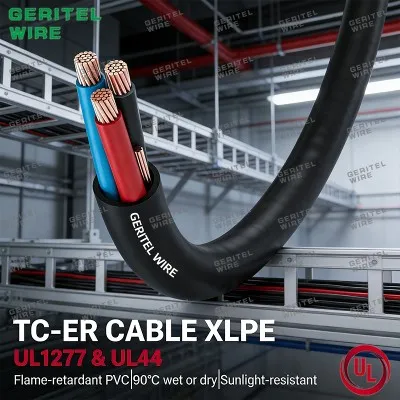
1. Three High-Demand Industrial Environments Where TC-ER Cable Outperforms Standard Tray Cables
· Wastewater Treatment Plants: Corrosion and Moisture Resistance That Lasts
Wastewater treatment facilities present one of the harshest electrical environments in industrial operations. Aeration basins, sludge processing areas, and chemical dosing stations are constantly exposed to moisture, hydrogen sulfide gas, and corrosive chemicals that degrade standard cable insulation and jackets.
Standard THHN/THWN-2 cables, while rated for wet locations, are not designed for exposed runs in these corrosive conditions. Their thin jackets often crack or degrade within 6-12 months, exposing conductors and creating shock hazards.
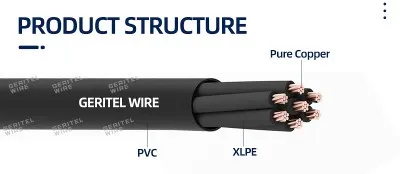
TC-ER cable solves this problem with a rugged construction that includes a PVC jacket and aluminum interlocked armor for superior protection against corrosion and physical damage. Approved for wet locations and direct burial per UL44 and UL1277 standards, it can be run directly in cable trays without additional conduit, reducing installation time and costs by up to 30%.
For main power distribution in wastewater treatment plants, 350 kcmil TC-ER cable is ideal for feeding large pumps and blowers, while 500 kcmil TC-ER cable is used for primary service entrances and high-load processing equipment. Most installations use 4/C TC-ER cable with an insulated green ground to meet NEC grounding requirements for wet locations.
· Mining Projects: Durability for Extreme Mechanical Stress
Underground and surface mining operations subject electrical cables to severe mechanical stress, including constant vibration, heavy impact, and abrasion from rock and equipment. Standard tray cables cannot withstand these conditions, leading to frequent cable failures and production interruptions.
TC-ER cable's robust construction makes it the preferred choice for mining applications. Unlike standard cables, it is approved for exposed runs in harsh industrial environments, eliminating the need for expensive metal conduit that is prone to damage from falling debris.
For mining projects, we recommend galvanized steel armor TC-ER cable, which provides superior impact and crush resistance compared to aluminum armor. 3/C 600V TC-ER cable with XHHW-2 insulation is commonly used for powering conveyor systems, crushers, and underground lighting. The XHHW-2 insulation offers excellent resistance to oil, chemicals, and temperature fluctuations, making it suitable for both underground and surface mining operations.
· Food Processing Facilities: Hygienic and Washdown-Ready Construction
Food and beverage processing facilities require electrical systems that can withstand frequent high-pressure washdowns, temperature extremes, and exposure to food-grade chemicals. Standard cables often have porous jackets that trap bacteria and moisture, creating food safety risks.
TC-ER cable with a smooth, non-porous PVC jacket is ideal for food processing applications. It can be easily cleaned and sanitized, and its resistance to moisture and chemicals prevents degradation from regular washdowns. Approved for exposed runs, it can be installed in cable trays above production lines without the need for sealed conduit systems that are difficult to clean.
For processing equipment such as mixers, ovens, and packaging machines, 3/C 600V TC-ER cable with bare ground is the most common specification. For larger refrigeration systems and utility rooms, 350 kcmil TC-ER cable is used for power distribution.
2. Critical Selection Factors to Avoid Compliance Risks and Downtime
The biggest mistake industrial professionals make when selecting TC-ER cable is choosing based solely on price. To ensure compliance and long-term reliability, always confirm the following factors based on the specific load and environmental conditions of your plant:
Conductor size and voltage rating: As a general rule, 350 kcmil TC-ER cable can handle up to 310 amps at 75°C, while 500 kcmil TC-ER cable can handle up to 380 amps. Always size conductors based on the full load current of the equipment, plus a 25% safety margin for future expansion.
Armor type: Choose aluminum interlocked armor for general industrial applications where corrosion resistance is a priority. Select galvanized steel armor for high-impact environments such as mining and heavy manufacturing.
Grounding configuration: Use insulated green ground conductors for wet locations and food processing facilities to prevent corrosion of the grounding system. Bare ground conductors are acceptable for dry, indoor applications.
Insulation type: XHHW-2 insulation offers superior resistance to heat, oil, and chemicals compared to standard THHN/THWN-2 insulation, making it the best choice for harsh industrial environments.
3. Frequently Asked Questions
Q: Can TC-ER cable be used for exposed runs in industrial plants?
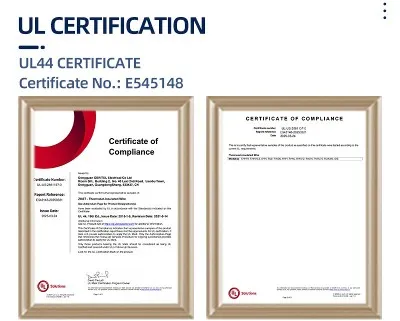
A: Yes. TC-ER cable is specifically approved for exposed runs in industrial and commercial buildings per UL44 and UL1277 standards. This eliminates the need for expensive metal conduit, significantly reducing installation time and costs.
Q: What's the difference between 350 kcmil and 500 kcmil TC-ER cable for plant applications?
A: 350 kcmil TC-ER cable is suitable for most medium-load applications, including feeding large motors, pumps, and distribution panels. 500 kcmil TC-ER cable is used for high-load applications such as primary service entrances, large industrial chillers, and heavy manufacturing equipment. Always consult the NEC ampacity tables when selecting conductor size.
Q: Is TC-ER cable suitable for direct burial in wastewater treatment facilities?
A: Yes. TC-ER cable is approved for direct burial in wet locations per UL44 and UL1277 standards. For direct burial applications in corrosive soil, we recommend using TC-ER cable with a PVC jacket and aluminum interlocked armor for maximum corrosion resistance.
4. Get Customized TC-ER Cable Solutions for Your Industrial Project
Selecting the right TC-ER cable for your factory or plant doesn't have to be a guessing game. Our team of electrical cable specialists has over 20 years of experience helping electrical contractors, distributors, and plant managers specify the correct cables for even the most challenging industrial environments.
Contact us today to discuss your specific project requirements. We'll provide you with a detailed quote and customized selection guide to ensure your TC-ER cable installation meets all safety standards and delivers reliable performance for years to come.
Dongguan Greater Wire & Cable Co., Ltd.
Tel/WhatsApp/Wechat: +86 136 6257 9592
Tel/WhatsApp/Wechat: +86 135 1078 4550
Email: manager01@greaterwire.com
Website: www.greaterwire.com