

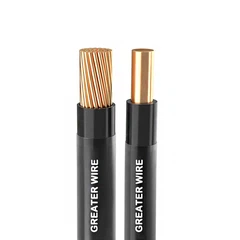

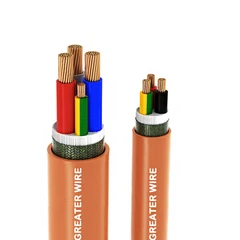
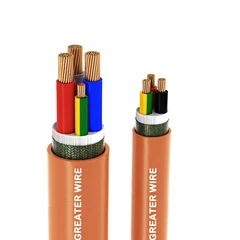
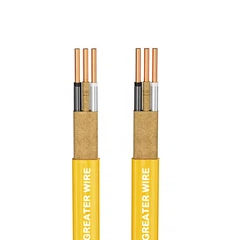
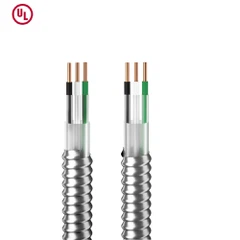
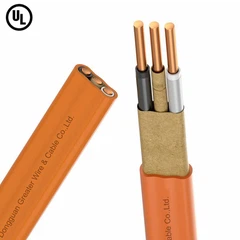
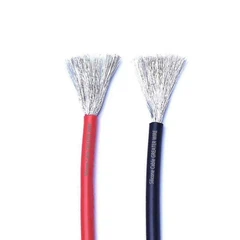
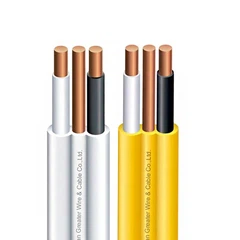
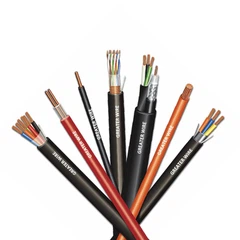
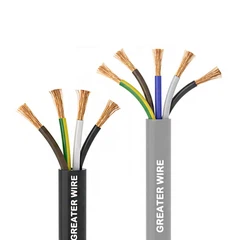
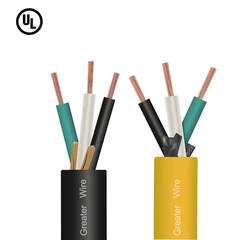
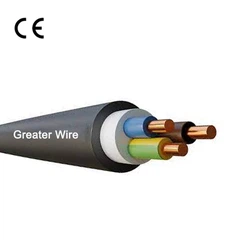
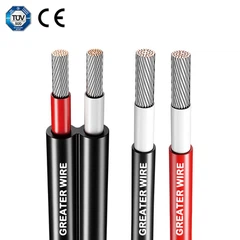

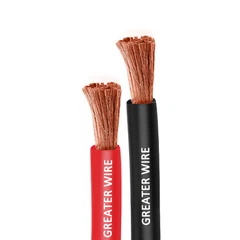
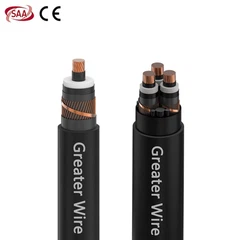
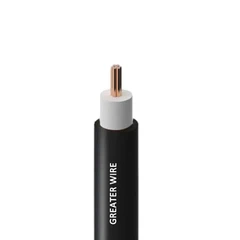
In electrical power distribution systems, building wire is a critical component that directly affects system safety, reliability, and service life. While conductor material often receives significant attention, the insulation type used on building electrical wires is equally important. Insulation determines a wire's thermal performance, mechanical durability, environmental resistance, and compliance with electrical codes.
Two major insulation categories dominate modern building wire design: thermoplastic insulation and thermosetting insulation. Each type has distinct material characteristics, advantages, limitations, and suitable application scenarios. Understanding the differences between these insulation systems is essential for engineers, contractors, and specifiers when selecting the correct building wire for a given installation.

Fundamental Concepts of Insulation Materials in Building Wire
Electrical insulation serves multiple functions in building wire systems. It electrically isolates conductors, protects against short circuits, resists environmental influences, and ensures mechanical protection during installation and operation.
The primary difference between thermoplastic and thermosetting insulation lies in how the material reacts to heat:
Thermoplastic insulation softens when heated and hardens again upon cooling.
Thermosetting insulation undergoes a chemical cross-linking process during manufacture and does not soften when reheated.
This fundamental distinction leads to significant differences in thermal stability, mechanical performance, and long-term reliability in building wire applications.

Characteristics of Thermoplastic Insulation
Thermoplastic insulation is widely used in building wire due to its processing flexibility and cost efficiency. Common thermoplastic materials include PVC (polyvinyl chloride) and nylon, often used in combinations such as THHN or THWN insulation systems.
From a manufacturing standpoint, thermoplastics are easier to extrude and recycle. They offer good surface finish and consistent insulation thickness, making them suitable for mass production of building electrical wires.
In practical use, thermoplastic insulation provides:
Good electrical insulation properties
Moderate heat resistance
Reasonable chemical and moisture resistance
Smooth surfaces for easy pulling through conduits
However, because thermoplastic materials soften under high temperatures, their long-term performance is more sensitive to thermal stress.

Characteristics of Thermosetting Insulation
Thermosetting insulation materials are chemically cross-linked during production, forming a stable molecular structure. Common thermosetting materials used in building wire include XLPE (cross-linked polyethylene), EPR (ethylene propylene rubber), and other elastomer-based compounds.
Once cured, thermosetting insulation does not melt or deform under normal operating temperatures. This gives thermosetting-insulated building wire superior thermal and mechanical stability.
Key performance features include:
Higher continuous operating temperature ratings
Improved resistance to deformation and creep
Better aging performance
Enhanced resistance to moisture and chemicals
These properties make thermosetting insulation particularly suitable for demanding electrical environments.

Thermal Performance Differences
Thermal behavior is one of the most important distinctions between thermoplastic and thermosetting insulation in building wire applications.
Thermoplastic insulation typically has a lower maximum operating temperature, commonly rated at 75°C or 90°C depending on the formulation and standard. When exposed to excessive heat, thermoplastic materials may soften, leading to insulation deformation and potential safety risks.
Thermosetting insulation, by contrast, can typically withstand 90°C to 105°C or higher continuous operating temperatures without loss of structural integrity. Because it does not soften when reheated, thermosetting insulation maintains stable dielectric and mechanical properties even under sustained thermal stress.
This difference directly impacts current-carrying capacity, service life, and suitability for high-load building wire systems.

Mechanical and Installation Performance
Mechanical performance during installation is another key factor when comparing insulation types.
Thermoplastic-insulated building wire generally has:
A smoother surface
Lower friction when pulled through conduits
Good flexibility at normal temperatures
However, at elevated temperatures, thermoplastic insulation may become softer and more prone to deformation under pressure.
Thermosetting insulation typically exhibits:
Greater resistance to compression and abrasion
Better shape retention under mechanical stress
Superior performance in tightly packed cable trays or conduits
Although thermosetting insulation may have a slightly higher pulling friction, its mechanical durability often outweighs this consideration in heavy-duty installations.

Environmental Resistance and Aging Characteristics
Environmental exposure significantly affects the long-term reliability of building wire insulation.
Thermoplastic insulation performs well in dry indoor environments but may experience accelerated aging when exposed to heat, ultraviolet radiation, or chemicals over extended periods.
Thermosetting insulation generally provides:
Better moisture resistance
Improved chemical stability
Superior resistance to thermal aging
As a result, thermosetting-insulated building wire is often preferred in industrial environments, high-temperature locations, and areas with long expected service life.

Typical Application Scenarios
Thermoplastic and thermosetting insulation types are each optimized for specific building wire applications.
Thermoplastic-insulated building wire is commonly used for:
Residential and light commercial wiring
Branch circuits with moderate current levels
Indoor conduit installations
Cost-sensitive projects
Thermosetting-insulated building wire is typically selected for:
Main feeders and high-load circuits
Industrial and commercial facilities
High-temperature environments
Applications requiring long-term reliability
Selecting the appropriate insulation type depends on the electrical load, installation environment, and performance expectations.

Standards and Common Building Wire Types
Many standard building wire designations clearly indicate insulation type.
Thermoplastic examples include:
THHN
THWN
PVC-insulated building wire
Thermosetting examples include:
XHHW
XLPE-insulated building wire
EPR-insulated power wires
Understanding these designations helps ensure compliance with electrical codes and proper application.

Economic and Lifecycle Considerations
From a cost perspective, thermoplastic insulation typically has a lower initial material cost and simpler processing requirements. This makes it attractive for projects with tight budgets or less demanding operating conditions.
Thermosetting insulation, while often more expensive initially, provides longer service life and higher performance margins, which can reduce maintenance costs and improve long-term reliability.
Evaluating insulation choice from a lifecycle cost perspective is increasingly important in modern building wire selection.


Application Scenarios and Correct Model Selection
Application Scenarios Summary
In building wire systems:
Thermoplastic insulation is suitable for standard indoor installations, residential wiring, and applications with moderate thermal and mechanical demands.
Thermosetting insulation is better suited for high-current feeders, industrial facilities, elevated temperature environments, and projects requiring long-term durability.
Each insulation type has a clear role within modern electrical installations.
How to Choose the Correct Building Wire Model and Specification
When selecting the correct building wire insulation type, the following steps are recommended:
Assess operating temperature and load conditions
Evaluate the installation environment, including moisture, chemicals, and mechanical stress
Select insulation type based on thermal and durability requirements
Choose the appropriate wire designation (e.g., THHN, XHHW, XLPE)
Ensure compliance with applicable electrical codes and standards
By aligning insulation type with application requirements, engineers and installers can ensure that the selected building wire delivers safe, efficient, and long-lasting performance.
At Dongguan Greater Wire & Cable Co., Ltd., we understand that choosing the right wire and cable solutions is critical to the success and safety of your projects.
Our experienced pre-sales and after-sales teams provide:
Professional technical consultation
Accurate product selection and application guidance
Fast and responsive support throughout the entire project lifecycle
Whether you are working on small-scale installations or large industrial projects, we are committed to delivering reliable solutions and practical support tailored to your specific requirements.
Contact Us
Dongguan Greater Wire & Cable Co., Ltd.
📞 Tel / WhatsApp / WeChat
+86 135 1078 4550
+86 136 6257 9592
📧 Email
manager01@greaterwire.com
We look forward to supporting your next project with quality products, technical expertise, and dependable service.