

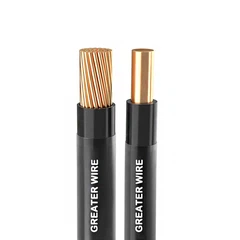

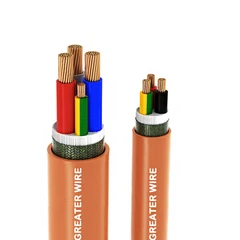
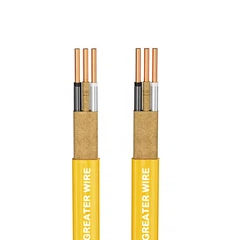
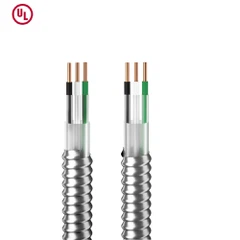
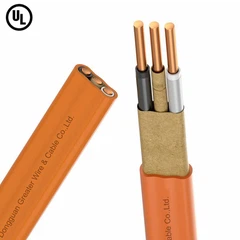
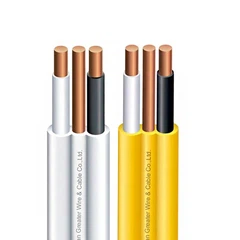
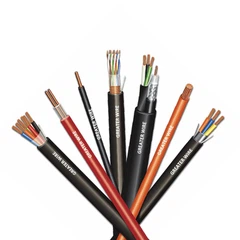
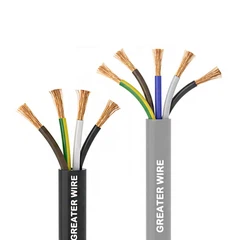
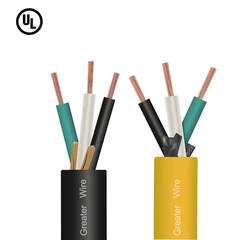
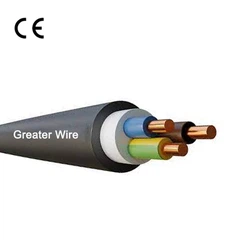
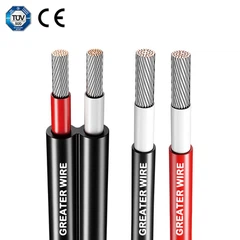

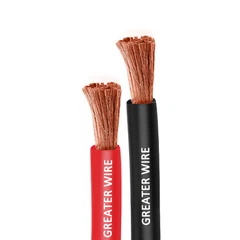
In electrical installations, building wire is the backbone of power distribution within residential, commercial, and industrial facilities. While attention is often paid to insulation type, voltage rating, and certification, the cross-sectional area of the conductor is one of the most critical parameters affecting safety and reliability.
Using building electrical wires with insufficient cross-sectional area is a common but dangerous mistake. Undersized conductors may initially appear functional, yet over time they can lead to overheating, insulation degradation, equipment failure, fire hazards, and even electric shock incidents. Many electrical accidents are directly or indirectly linked to improper conductor sizing.
This article provides a comprehensive analysis of the safety hazards caused by insufficient cross-sectional area in building wire, explains the underlying electrical principles, and outlines best practices for selecting the correct wire model and specification.

Understanding Cross-Sectional Area in Building Wire
The cross-sectional area of a building wire refers to the effective conductive area of the conductor, usually expressed in square millimeters (mm²) or American Wire Gauge (AWG). This parameter directly determines the wire's current-carrying capacity (ampacity).
A larger cross-sectional area allows more electrons to flow with lower resistance, while a smaller area increases electrical resistance. Electrical standards define minimum conductor sizes for specific current levels to ensure safe operation under continuous load conditions.
When a building wire's cross-sectional area is insufficient for the applied load, the conductor operates outside its safe thermal and electrical limits.

Overheating and Thermal Runaway Risks
One of the most immediate hazards of undersized building wire is excessive heating.
According to Joule's law, heat generated in a conductor is proportional to the square of the current multiplied by resistance. When a wire with insufficient cross-sectional area carries normal or peak load current, its higher resistance causes rapid temperature rise.
This overheating can lead to:
Continuous operation above insulation temperature rating
Localized hot spots at bends and terminations
Progressive thermal runaway under fluctuating loads
Overheating is often invisible during early stages, making it particularly dangerous in concealed wiring systems.

Insulation Degradation and Loss of Dielectric Strength
The insulation system of a building wire is designed to withstand specific temperature limits. When conductor overheating occurs, insulation materials are subjected to accelerated thermal aging.
Prolonged exposure to excessive heat causes:
Hardening or embrittlement of insulation
Cracking and surface breakdown
Reduced dielectric strength
Once insulation integrity is compromised, the risk of short circuits, leakage currents, and ground faults increases significantly, even if the conductor itself has not yet failed.

Increased Fire Hazard in Buildings
Fire risk is one of the most severe consequences of using undersized building wire.
Excessive heat from overloaded conductors can:
Ignite surrounding combustible materials
Cause insulation to melt and drip
Trigger arc faults at damaged insulation points
In residential and commercial buildings, wires are often installed inside walls, ceilings, and cable trays where heat dissipation is limited. An undersized building wire in such environments can become a hidden ignition source, leading to devastating electrical fires.
Many building fire investigations identify conductor overheating due to improper sizing as a root cause. 
Voltage Drop and Equipment Malfunction
Insufficient cross-sectional area also results in excessive voltage drop along the building wire.
As resistance increases, voltage at the load end decreases, which can cause:
Motors to overheat due to low voltage operation
Electronic equipment to malfunction or reset
Lighting systems to flicker or dim
In industrial and commercial buildings, voltage instability caused by undersized building wire can disrupt production processes, reduce equipment lifespan, and increase maintenance costs.

Reduced Mechanical and Connection Reliability
Smaller cross-section conductors are mechanically weaker and more susceptible to damage during installation and operation.
Potential issues include:
Increased risk of conductor breakage
Poor termination contact area
Higher contact resistance at connectors
When undersized building wire is terminated at standard-rated terminals, uneven pressure and insufficient contact surface can cause localized heating, loosening, and eventual connection failure.

Overloading of Protective Devices
Electrical protection devices such as circuit breakers and fuses are designed based on expected conductor ampacity.
When building wire with insufficient cross-sectional area is used:
Protective devices may not trip immediately
Conductors may overheat before protection activates
Repeated thermal cycling may occur below trip thresholds
This mismatch undermines the coordination between conductors and protection devices, reducing the effectiveness of the entire electrical safety system.

Long-Term Reliability and Maintenance Risks
Even if immediate failure does not occur, undersized building wire significantly reduces long-term system reliability.
Common long-term effects include:
Accelerated aging of conductors and insulation
Increased frequency of faults and outages
Higher maintenance and replacement costs
Over time, cumulative thermal stress can turn a marginally undersized wire into a critical failure point within the building's electrical network.

Typical Application Scenarios Where Risks Occur
Hazards related to insufficient cross-sectional area often arise in the following building wire applications:
Retrofitting older buildings without load recalculation
Expanding electrical systems without upgrading feeders
Temporary installations converted into permanent wiring
Cost-driven projects using minimum-sized conductors
These scenarios highlight the importance of proper load analysis and specification review during both initial installation and system upgrades.

Compliance, Codes, and Legal Implications
Electrical codes and standards specify minimum conductor sizes for defined load conditions. Using building wire with insufficient cross-sectional area constitutes non-compliance and may lead to:
Failed inspections
Insurance claim denial
Legal liability in case of accidents
Compliance with applicable standards is not only a technical requirement but also a legal and safety obligation.


Application Scenarios and Correct Wire Selection
Application Scenarios Summary
Safety hazards from insufficient cross-sectional area are most likely to occur in:
High-load feeder circuits
Concealed wiring installations
Long-distance power distribution
Systems with load growth over time
In these scenarios, undersized building wire poses serious risks to safety, reliability, and property.
How to Choose the Correct Building Wire Model and Specification
To avoid these hazards, proper selection of building wire is essential:
Accurately calculate design load and future expansion margin
Select conductor cross-sectional area based on ampacity standards
Account for installation conditions, including ambient temperature and grouping
Choose appropriate insulation type and voltage rating
Ensure coordination with protective devices
By selecting the correct building wire model and specification, electrical systems can achieve safe operation, regulatory compliance, and long-term reliability.
At Dongguan Greater Wire & Cable Co., Ltd., we understand that choosing the right wire and cable solutions is critical to the success and safety of your projects.
Our experienced pre-sales and after-sales teams provide:
Professional technical consultation
Accurate product selection and application guidance
Fast and responsive support throughout the entire project lifecycle
Whether you are working on small-scale installations or large industrial projects, we are committed to delivering reliable solutions and practical support tailored to your specific requirements.
Contact Us
Dongguan Greater Wire & Cable Co., Ltd.
📞 Tel / WhatsApp / WeChat
+86 135 1078 4550
+86 136 6257 9592
📧 Email
manager01@greaterwire.com
We look forward to supporting your next project with quality products, technical expertise, and dependable service.