

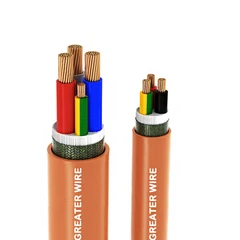
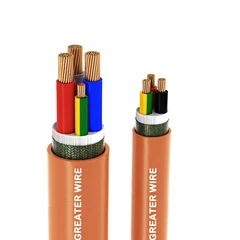


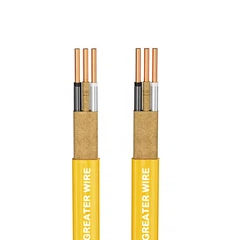
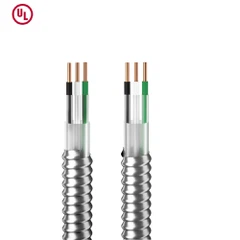
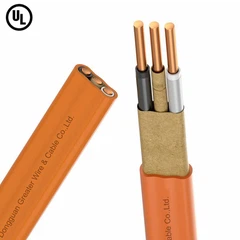

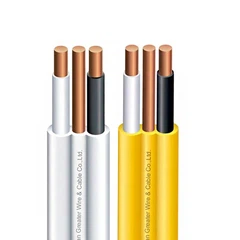
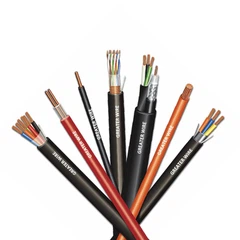
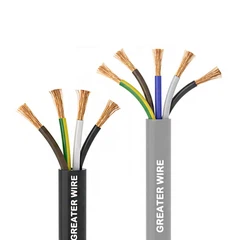
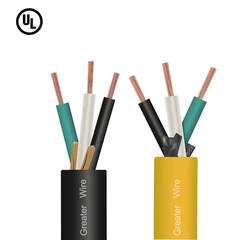
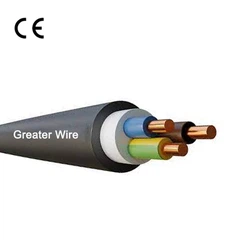

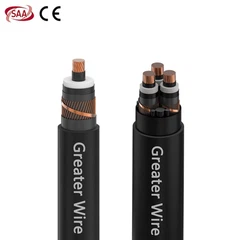
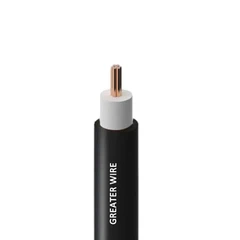
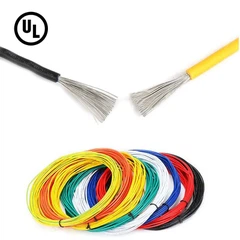
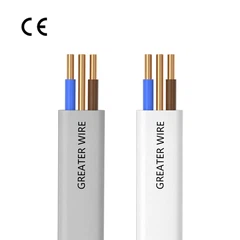
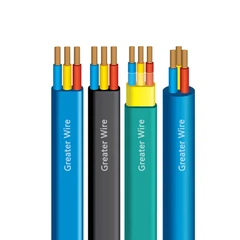
TPS cables, including TPS electrical cables and flat TPS varieties, are widely used in residential, commercial, industrial, and automotive applications. These cables are favored for their durability, flexibility, and safety features, making them suitable for various electrical installations. However, like any other electrical system, proper installation is crucial to ensuring the optimal performance and safety of TPS cables.
In this article, we will explore the key installation requirements of TPS cables, including best practices, safety measures, and technical guidelines to ensure that the cables are installed correctly for long-term use and reliability.


1. Understanding TPS Cables
Before diving into the installation requirements, it's important to understand what TPS cables are and why they are used.
TPS cables are commonly used for electrical installations in domestic, commercial, and industrial environments. They typically consist of a copper conductor, PVC (Polyvinyl Chloride) insulation, and an outer PVC sheath that provides mechanical protection. Flat TPS cables are a sub-type of these cables, with a flat cross-section that makes them ideal for installations where space is limited or aesthetics are important.
Key Features of TPS Cables:
Flexibility: These cables are flexible and easy to install in various environments.
Durability: TPS electrical cables are built to withstand mechanical stress and environmental factors such as moisture and chemicals.
Safety: The insulation material ensures electrical safety, preventing short circuits and electrical shocks.
With this in mind, let's examine the installation guidelines.

2. Choosing the Right TPS Cable Specifications
Before installation, it is essential to choose the correct TPS cable specification for the intended application. The specifications of the cable will depend on several factors, including the type of electrical load, environmental conditions, and the specific requirements of the installation site.
Factors to Consider:
Voltage Rating: TPS cables come with different voltage ratings. It's important to choose cables with a voltage rating that matches the requirements of the system.
Current Carrying Capacity: Ensure that the cable can handle the current required by the connected equipment. The current carrying capacity of the cable should be sufficient to avoid overheating or damage.
Temperature Range: Ensure that the TPS electrical cable can withstand the ambient temperature conditions of the installation. Cables can be rated for varying temperature ranges (e.g., -20°C to +70°C).
Type of Installation: Depending on whether you are installing the cable indoors, outdoors, underground, or in high-risk areas, the outer sheath material (such as PVC or LSZH) may vary.
It's essential to consult the manufacturer's technical data sheets to verify these specifications and select the correct cable.

3. Preparing the Installation Site
Preparation is a key step in any electrical installation, as it ensures that the TPS cable can be installed correctly and safely.
Step-by-Step Guide:
Survey the Installation Area: Before starting, conduct a survey of the installation area to assess the requirements. Take note of any obstacles or potential risks, such as exposure to chemicals, moisture, or extreme temperatures.
Determine Cable Length: Measure the distance between the power source and the point of connection to ensure that the cable is long enough to cover the installation without excess slack.
Check for Obstacles: Identify any obstacles (walls, beams, ducts, etc.) that may interfere with the cable route. Ensure that the cable can be installed in a way that avoids excessive bending or stress.
Assess Environmental Conditions: If the installation will occur outdoors or in harsh environments, consider using a PVC or LSZH sheathed TPS electrical cable to protect against UV radiation, moisture, and chemicals.

4. Preparing the TPS Cable
Once the installation site is ready, it's important to properly prepare the TPS electrical cable before installation. Proper handling and preparation ensure a smoother installation process and avoid damage to the cable during the installation.
Steps to Prepare the Cable:
Cut the Cable to the Right Length: Measure and cut the TPS cable to the required length, allowing a little extra to accommodate connections and potential errors.
Strip the Cable Insulation: Carefully strip the outer PVC sheath and the insulation from the copper conductors using appropriate cable stripping tools. Be careful not to damage the wire conductors during the stripping process.
Inspect the Cable for Damage: Before proceeding with installation, inspect the cable for any physical damage. Check for cuts, abrasions, or kinks that could compromise the cable's performance.

5. Installing the TPS Cable
The actual installation process of TPS cables is crucial to ensure their safe and reliable operation. Proper handling and installation techniques will help prevent future electrical issues such as overheating, short circuits, or damage to the insulation.
Installation Best Practices:
Bending Radius: Avoid sharp bends when installing the TPS electrical cable, as excessive bending can damage the cable or reduce its performance. Refer to the manufacturer's guidelines for the minimum bending radius. Typically, the radius should be at least 10 times the outer diameter of the cable.
Cable Support and Fixing: Ensure that the TPS cable is securely supported throughout the installation. Use cable clips or cable ties to prevent the cable from sagging or being exposed to excessive tension. Make sure the cable is fixed in place so that it doesn't move or get damaged over time.
Avoid Overloading: When installing the TPS electrical cable, ensure that it is not overloaded with excessive current. Check the current rating of the cable and ensure it matches the power requirements of the connected system.
Separation from Other Cables: If installing multiple cables together, maintain adequate spacing between cables to prevent heat buildup. Ideally, cables should be spaced at least one to two times the diameter of the cable to ensure adequate air circulation.
Underground Installations: If installing TPS cables underground, make sure that the cables are placed in a protective conduit to prevent physical damage from external factors such as digging or water penetration. The conduit should be made from materials like PVC or HDPE (High-Density Polyethylene) for durability and protection.
Outdoors and UV Exposure: For outdoor installations, especially in areas with high UV exposure, use cables with UV-resistant sheaths, such as LSZH sheaths, to prevent the cable from degrading over time.

6. Terminating and Connecting the TPS Cable
The final step in the installation process is to properly terminate and connect the TPS cable to the electrical system. This step is crucial for ensuring safe and efficient power delivery.
Termination and Connection Best Practices:
Proper Tools: Use appropriate connectors, terminals, and cable lugs that are compatible with the TPS electrical cable. Ensure the correct size and type of connectors are used for both mechanical strength and electrical conductivity.
Stripping the Wire Conductors: After cutting the cable, strip the insulation from the wire conductors carefully. Avoid nicking or damaging the copper conductors, as this can result in poor electrical connections or even short circuits.
Tightening Connections: When connecting the TPS electrical cable to terminals or electrical panels, ensure that the connections are tight and secure. Loose connections can lead to heating and electrical failures.
Testing the Installation: Once the installation is complete, perform a continuity test to check for any breaks in the circuit. It is also important to test the cable for correct voltage levels and resistance to ensure that it is operating within the required parameters.

7. Safety Considerations During Installation
As with all electrical installations, safety is paramount when working with TPS cables. Here are some important safety considerations:
Turn Off Power: Always ensure that power is completely turned off before starting any installation or wiring work. Use lockout/tagout procedures to ensure that the power source cannot be accidentally turned on during installation.
Proper Personal Protective Equipment (PPE): Wear appropriate PPE, such as rubber gloves, safety goggles, and insulated tools, to protect against electric shock or injury.
Follow Local Electrical Codes: Adhere to local electrical codes and standards during the installation process to ensure compliance with safety regulations.
Avoid Overloading the Circuit: Ensure that the TPS cable is not subjected to loads that exceed its rated capacity, as this could lead to overheating and potential fire hazards.