























1. Overview of AS/NZS 5000.1 Standard
The AS/NZS 5000.1 standard provides comprehensive guidelines for the design, construction, testing, and installation of electrical cables used in low and medium-voltage power distribution systems. It covers a wide range of cable types, with particular focus on those insulated with XLPE, a polymer that has gained widespread acceptance in the electrical industry due to its high dielectric strength, resistance to high temperatures, and overall durability.
The primary aim of the AS/NZS 5000.1 standard is to ensure that cables are safe, reliable, and long-lasting in their application. By adhering to this standard, manufacturers ensure that their cables can withstand environmental conditions, meet performance expectations, and ensure electrical safety.

2. Key Features of a Cable That Complies with AS/NZS 5000.1
Cables designed and manufactured to comply with the AS/NZS 5000.1 standard feature several critical attributes that ensure their performance, safety, and reliability in various applications. These features include:
2.1 Insulation Material – Cross-Linked Polyethylene (XLPE)
One of the most essential features of a cable complying with AS/NZS 5000.1 is its use of cross-linked polyethylene (XLPE) insulation. XLPE is a thermoset polymer that has undergone a cross-linking process, which makes it highly resistant to heat, chemicals, and mechanical stress. The benefits of XLPE insulation include:
High Thermal Stability: XLPE can withstand temperatures of up to 90°C continuously and can tolerate short-term peaks of 130°C, making it ideal for environments with fluctuating temperatures.
Electrical Insulation Properties: XLPE has high dielectric strength, which means it effectively prevents electrical leakage and ensures safe power transmission.
Chemical Resistance: XLPE offers resistance to moisture, acids, alkalis, and oils, ensuring that the cable is suitable for use in harsh environments.
Low Smoke and Fume Emission: XLPE cables produce minimal smoke in case of fire, ensuring better safety and visibility in emergencies.
As a result, cables insulated with XLPE offer long-lasting, efficient, and safe power transmission capabilities, making them a primary choice in compliance with AS/NZS 5000.1.

2.2 Conductor Material
The conductors in AS/NZS 5000.1 compliant cables are typically made of copper or aluminum, two materials widely used for their excellent electrical conductivity. Copper is preferred in situations where high performance and lower resistance are required, while aluminum offers a lighter and more cost-effective option for many power distribution applications.
Copper Conductors: Copper is known for its high conductivity, which reduces the loss of electrical power over long distances. Copper cables are more flexible and are often used in installations where ease of handling and connection is necessary.
Aluminum Conductors: Aluminum, though less conductive than copper, is lighter and more economical. It is often used in applications where the weight of the cable is a concern, such as overhead power lines.
The conductors must also meet specific standards for electrical resistance and thermal performance to ensure efficient power transmission in line with the AS/NZS 5000.1 standard.
2.3 Fire-Resistance and Safety
Safety is one of the most important considerations in the design of electrical cables. Cables compliant with AS/NZS 5000.1 must meet stringent fire-resistance standards to prevent the spread of flames in the event of a fire and to minimize smoke emissions.
Fire-Resistant Insulation: XLPE insulation used in these cables is designed to be fire-retardant, meaning it will not propagate flames in the event of a fire, ensuring that the cables themselves do not contribute to the spread of fire.
Low Smoke Emission: Cables meeting the AS/NZS 5000.1 standard are designed to emit minimal smoke and toxic gases when exposed to fire, improving visibility and escape time in an emergency.
Fire Barrier Materials: In some cases, cables may also be equipped with fire-resistant barriers or coatings that add an extra layer of protection in critical applications, such as in public buildings or industrial plants.
2.4 Mechanical Strength and Durability
The mechanical strength of cables is critical, especially in industrial and underground installations, where they may face physical stresses like crushing, impact, or tension. Cables that comply with AS/NZS 5000.1 are designed to be highly durable and resistant to mechanical damage, ensuring that they continue to perform safely over long periods of use.
Armoured Cables: For installations in environments where the cable may face mechanical damage, such as underground or in construction sites, armoured cables are commonly used. Steel wire armoured XLPE cables are a prime example of this. The steel armour offers protection from physical damage, ensuring the cable remains intact even when subjected to external forces.
Flexible Cables: For applications where flexibility is required, such as in robotics or machinery, flexible cables made with copper conductors and XLPE insulation offer easy handling and bending without compromising performance.
2.5 Voltage and Temperature Rating
The AS/NZS 5000.1 standard specifies the voltage ratings for cables, typically ranging from low-voltage (0.6/1 kV) to medium-voltage cables (1 kV – 36 kV). Cables must be designed to handle the expected electrical load without overheating or degrading over time.
Voltage Rating: The voltage rating indicates the maximum amount of electrical potential the cable can safely handle. This ensures that the cable does not break down or cause electrical faults due to excess voltage.
Temperature Rating: The temperature rating determines the range of ambient temperatures in which the cable can operate safely without compromising its performance or insulation integrity.
For example, SAA single core XLPE cables are often designed for low-voltage applications, while steel wire armoured XLPE cables may be used for both low and medium-voltage installations.
2.6 Environmental Resistance
Cables that comply with the AS/NZS 5000.1 standard are designed to operate in a variety of environments without degrading. Some key environmental resistances that these cables must have include:
UV Resistance: In outdoor applications, cables must be resistant to ultraviolet (UV) radiation from the sun, which can cause degradation of insulation over time. UV-resistant materials in cables prevent cracking, brittleness, and premature failure.
Moisture Resistance: Cables used in wet conditions, such as underground or in water-prone areas, must have moisture-resistant insulation to prevent short circuits and electrical faults.
Chemical Resistance: In industrial settings, cables may be exposed to chemicals, oils, or solvents. Cables meeting the AS/NZS 5000.1 standard are designed with insulation materials that are resistant to these substances, ensuring long-term performance even in harsh environments.
2.7 Identification and Markings
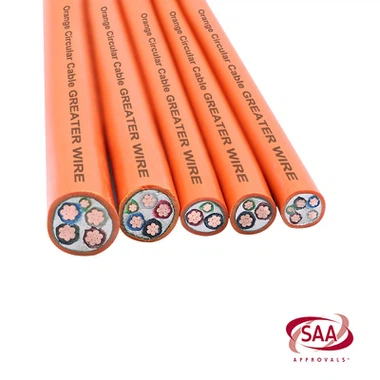
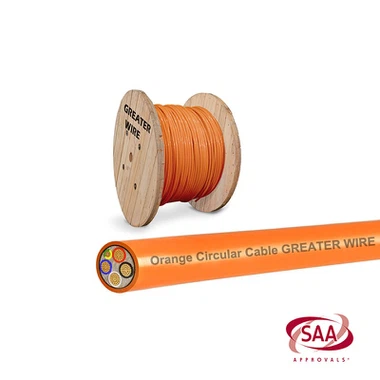
Cables complying with the AS/NZS 5000.1 standard must be clearly marked with essential information, including the manufacturer's details, cable specifications, and compliance symbols. For example, cables like Australia orange circular cable sizes are usually identified by an SAA symbol, which certifies that the cable has been tested and approved for use in Australia.
Clear markings help ensure that the correct cables are selected for the right applications, providing traceability and accountability for installers and manufacturers.

3. Cable Types That Comply with AS/NZS 5000.1
Several specific cable types comply with the AS/NZS 5000.1 standard. Below, we discuss some of the most common types:
3.1 SAA Single Core XLPE Cable
The SAA single core XLPE cable is a widely used type of cable compliant with the AS/NZS 5000.1 standard. These cables are typically used for single-phase applications, where one conductor is sufficient to transmit electrical power. They offer excellent electrical performance, high thermal resistance, and a reliable, long-lasting solution for residential, commercial, and industrial installations.
3.2 Australia Orange Circular Cable Sizes
In Australia, orange circular cables are often used for power distribution. The AS/NZS 5000.1 standard specifies various Australia orange circular cable sizes, ensuring that these cables meet the necessary performance criteria for both safety and functionality. These cables are commonly used in electrical installations that require higher capacity and durability.
3.3 Steel Wire Armoured XLPE Cable
For installations where additional mechanical protection is needed, such as in underground or harsh environments, steel wire armoured XLPE cables are commonly used. The steel wire armouring offers additional protection from physical damage, while the XLPE insulation ensures high performance in terms of electrical insulation and thermal resistance.
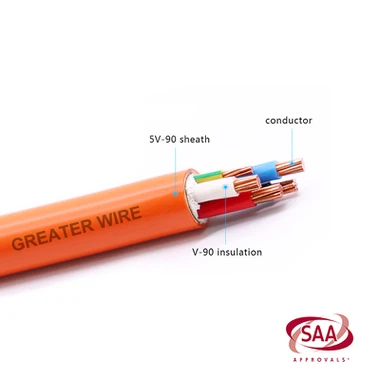
Dongguan Greater Wire & Cable Co., Ltd. specializes in the production of Australian SAA certified wires. Relying on advanced manufacturing technology and strict quality inspection, every meter of product meets international standards and provides stable and reliable electrical solutions for your engineering projects.