


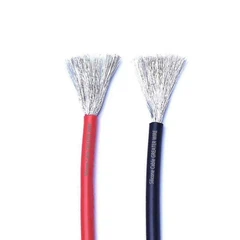
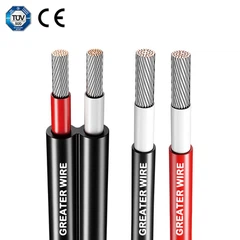

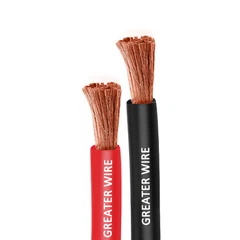
The installation of solar cables is a critical step in the setup of a solar power system, as the proper connection and wiring ensure the system's efficiency, longevity, and safety. Among the various types of solar cables, PV1-F cables are commonly used due to their reliability, high performance, and durability in photovoltaic (PV) applications. These cables are specially designed for solar energy systems, offering excellent insulation properties and resistance to UV radiation, heat, and weathering.
However, like any electrical system, careful planning and correct installation procedures are essential to maximize the performance and lifespan of the solar cables. This article outlines the key precautions to take when installing PV1-F cables, covering aspects such as safety, correct installation techniques, and proper maintenance.

1. Understanding the Importance of Proper Installation
Before delving into the precautions, it's crucial to understand why correct installation is so important. The PV1-F cable is responsible for transmitting electrical energy from the solar panels to the inverter and from the inverter to the grid or energy storage systems. Any issues during installation can lead to performance losses, safety hazards, and premature wear of the cables, which may require costly repairs or replacements.
Installing solar wires properly ensures:
Efficient power transfer: Incorrect cable sizes, poor connections, or damaged insulation can cause energy losses and system inefficiencies.
Safety: Faulty wiring can lead to electrical hazards, including short circuits, electrocution risks, and even fires.
Longevity: Exposure to environmental elements like moisture, UV radiation, and physical stress can degrade cables if not properly protected or installed.

2. Key Precautions for Installing PV1-F Cable
2.1 Correct Cable Selection and Sizing
The first step in ensuring a successful installation is selecting the right PV1-F cable specification. PV1-F cables come in various sizes, voltages, and current ratings, depending on the specific requirements of the solar power system.
Cable Size: The size of the cable should be appropriate for the current-carrying capacity required by your system. For example, cables with larger cross-sectional areas (e.g., 6mm², 10mm², or 16mm²) are suitable for higher current and longer distances, while smaller cables (e.g., 2.5mm²) may suffice for shorter runs and lower power systems.
Voltage Rating: Ensure the cable has a voltage rating that matches or exceeds the maximum voltage of your solar array. PV1-F cables typically have a rating of 1 kV (kilovolt), which should be adequate for most low-voltage solar power systems.
Temperature Rating: The PV1-F cable is designed to operate in extreme temperatures, ranging from -40°C to +90°C, but you should ensure that your installation environment does not exceed these limits.
Inadequate cable sizing or mismatched voltage ratings can cause power loss, overheating, and even system failures. Always consult with an expert or refer to the solar panel and inverter manufacturers' guidelines to determine the correct cable size and rating.
2.2 Proper Routing of Cables
During installation, the way the solar wire is routed can significantly impact its performance and longevity. Follow these guidelines to ensure that the cables are correctly installed:
Avoid Sharp Bends: Cables should not be bent beyond the manufacturer's recommended bend radius. Excessive bending can damage the insulation and cause mechanical stress on the internal conductor, leading to potential electrical faults.
Use Cable Trays or Conduits: Where possible, use cable trays or conduits to support the cables. This provides physical protection and prevents the cables from being exposed to excessive friction, impacts, or abrasions.
Maintain Distance from Heat Sources: Keep the cables away from heat sources, including hot water pipes, exhaust systems, and other electrical equipment that generates heat. High temperatures can degrade the cable's insulation and shorten its lifespan.
Ensure Proper Cable Length: Avoid using excessively long cables, as this can lead to voltage drop over long distances. If long cable runs are necessary, select cables with appropriate cross-sectional areas to minimize power loss.
Avoid Crossing Other Electrical Cables: If possible, avoid routing solar cables alongside or near other electrical cables, especially those carrying high voltages. This minimizes the risk of electromagnetic interference (EMI), which can affect the performance of the solar system.
2.3 Protection from Environmental Elements
PV1-F cables are designed to be resistant to various environmental factors, including UV radiation, water, and extreme temperatures. However, additional measures should be taken to ensure that the cables are not exposed to extreme environmental conditions, especially in areas with harsh climates.
UV Protection: Ensure that the cables are UV-resistant, as they will be exposed to sunlight for extended periods. Although PV1-F cables are designed to withstand UV radiation, avoid placing them in direct sunlight for prolonged periods before they are installed. For additional protection, consider using cable trays or conduits that provide extra shielding.
Waterproofing: If the cables are installed in areas where they may be exposed to moisture (e.g., underground, in basements, or near water sources), ensure the installation is waterproof. Properly seal all connections and junction boxes to prevent water ingress, which can lead to short circuits or cable degradation.
Temperature Extremes: While PV1-F cables are rated to handle a wide range of temperatures, extremely cold conditions can make the cables brittle and prone to cracking. In freezing climates, it is advisable to install cables in areas that offer some protection from extreme cold, such as in insulated conduits.
2.4 Ensuring Proper Terminations and Connections
The connections at the ends of the solar cables are critical to the safety and performance of the solar power system. Poor connections can lead to high resistance, overheating, and even electrical fires.
Use Certified Connectors: Always use solar cable connectors that are certified for the appropriate voltage and current ratings. Connectors should be corrosion-resistant and capable of handling the electrical loads without overheating.
Tight Connections: Ensure that the cable is properly stripped and terminated at the connectors, with tight, secure connections. Loose connections can cause arcing and lead to failures or even fires.
Use of Junction Boxes: In cases where multiple solar cables are joined together, ensure that the junction boxes are properly sealed and that the cables are securely fastened. Junction boxes also offer an additional layer of protection from the environment, especially moisture and dust.
2.5 Proper Grounding and Safety
Grounding is essential for the safe operation of any electrical system, including solar installations. Proper grounding ensures that in case of a fault, the electrical current is safely directed to the ground, reducing the risk of electrical shock or fire.
Ground the System Properly: Ensure that all metal parts of the solar panels and other components are grounded to prevent electric shock in the event of a fault.
Use of Surge Protection Devices (SPDs): Install surge protection devices to protect the system from electrical surges that may result from lightning strikes or other transient voltage events. These devices help prevent damage to the solar cables and other components.
Follow Local Electrical Codes: Ensure that the installation follows all local electrical codes and regulations. These codes are designed to ensure safety and may include specific grounding requirements, wire sizing, and other precautions.
2.6 Regular Maintenance and Inspections
Once the installation is complete, ongoing maintenance and inspections are vital to ensure the solar cables continue to perform optimally throughout their lifespan.
Inspect for Wear and Tear: Periodically inspect the cables for any signs of damage, wear, or degradation. Look for cracks in the insulation, exposed copper conductors, or any other signs of damage. Replace any damaged cables immediately to avoid system failure or safety risks.
Check for Loose Connections: Regularly check the connectors and junction boxes to ensure that they remain tight and secure. Loose connections should be tightened immediately to prevent overheating and potential failures.
Monitor System Performance: Keep an eye on the performance of your solar system, and address any issues with power loss or inefficiency promptly. Significant drops in energy production can indicate a problem with the cables or connections.