



AC cables (Alternating Current Cables) are essential components in modern homes and industrial power systems. From household appliances to industrial equipment, AC cables ensure safe and efficient electricity transmission.
But do you really know what AC cables look like, what their internal structure is, or how to choose and install them properly? In this article, we will take a comprehensive look at AC cables-from appearance and structure to types, selection, and installation tips-so you can confidently choose the right cable solution for your project.
Overview of AC Cable
AC cables are designed to transmit alternating current electricity from a power source to devices and equipment. Compared with DC cables, AC cables have stricter safety and insulation requirements to handle voltage fluctuations and long-term usage.
Common applications include:
- Household appliances: Air conditioners, refrigerators, TVs
- Industrial equipment: Machinery, electric tools, lighting systems
- Power transmission: Buildings, factories, and outdoor power networks
Appearance of AC Cable
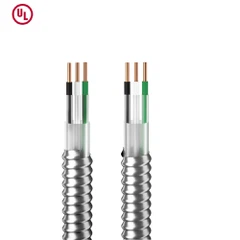
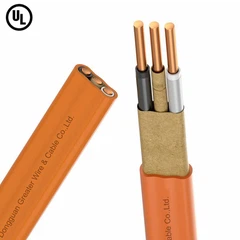
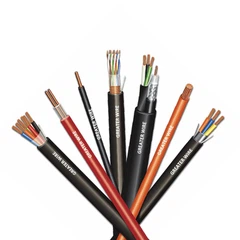
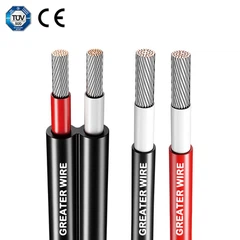
AC cables come in various forms, but typically share the following features:
Common Shapes
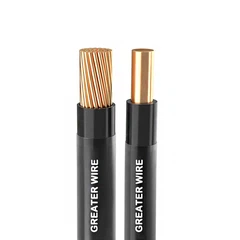
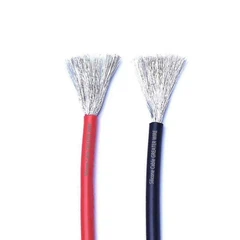
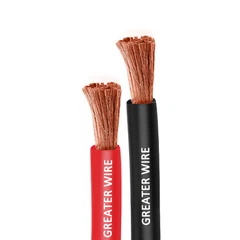
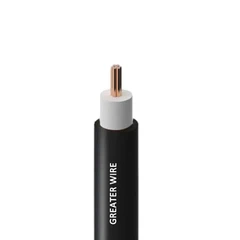
- Single-core cables: Suitable for low-current, small devices
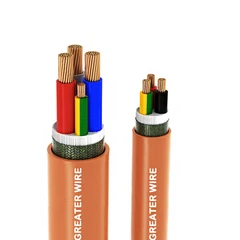
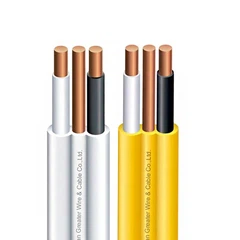
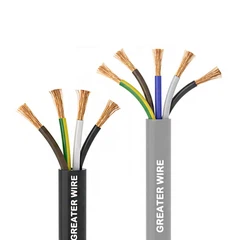
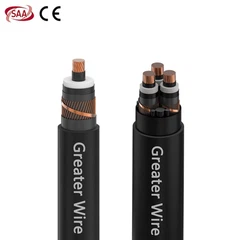
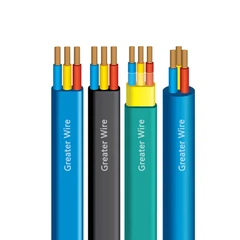
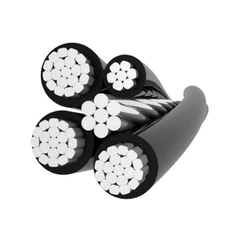
- Multi-core cables: Transmit multiple circuits, widely used in industrial and large-scale construction
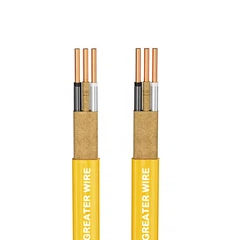
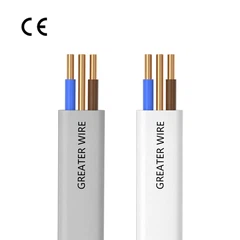
- Round and flat designs: Round cables are flexible and easy to route, while flat cables are ideal for tight spaces
Color and Markings
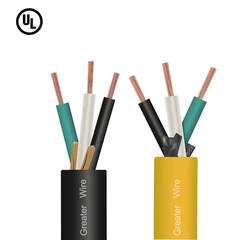
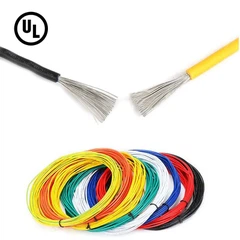
- Conductor colors like red, black, blue, and yellow/green indicate different functions
- Outer insulation is often printed with cable model, voltage rating, and certification marks
Length and Size
- Household cables: 1–50 meters
- Industrial and construction cables: Customizable according to project needs
- Higher voltage cables usually have larger diameters
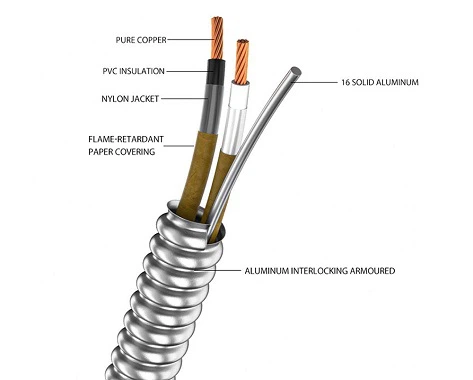
Internal Structure of AC Cable
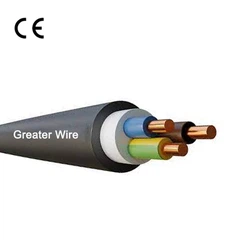
The internal structure of AC cables is crucial for safety and performance:
Conductor
- Made of copper or aluminum for excellent conductivity
- Stranded design improves flexibility and durability
Insulation Layer
- Materials include PVC and XLPE for heat resistance, abrasion resistance, and fire safety
- Thickness depends on voltage rating for maximum insulation protection
Sheath
- Outer layer protects against weather, water, and chemical corrosion
- Different cables are designed for indoor, outdoor, or underground use
Types of AC Cable
AC cables can be categorized by voltage, application, and structure:
By Voltage
- Low voltage (≤1kV)
- Medium voltage (1kV–35kV)
- High voltage (>35kV)
By Application
- Household cables: For residential and office devices
- Industrial cables: For factories, machinery, and lighting systems
- Special environment cables: Heat-resistant, waterproof, fire-resistant, or corrosion-resistant
By Structure
- Single-core or multi-core
- Shielded or unshielded (for interference protection)

Selection and Installation Tips
Proper selection and installation of AC cables improve safety and lifespan:
Selection Tips
- Choose cable models based on power, voltage, and application
- Opt for certified cables to ensure reliable materials and performance
Installation Tips
- Avoid excessive bending or pressure on cables
- Protect cables from moisture, corrosion, or high temperatures
- Follow safety regulations to prevent electric shock or short circuits
Why choose us
Now that you have a complete understanding of AC cables-their appearance, internal structure, types, and selection tips-you know that choosing a high-quality AC cable is crucial for any project.
Dongguan Greater Wire & Cable Co., Ltd. proudly presents the AC90 series, offering excellent conductivity, high temperature resistance, fire protection, and durability-ideal for household, industrial, and construction projects.
We provide comprehensive solutions for projects of any size, backed by a professional pre-sale and after-sale team ready to solve all your technical challenges.
📞 Contact us today:
- Tel/WhatsApp/WeChat: +86 135 1078 4550 / +86 136 6257 9592
- Email: manager01@greaterwire.com
Choose AC90 for safer, more efficient, and longer-lasting power transmission. Contact us now to get a tailored cable solution for your project!