

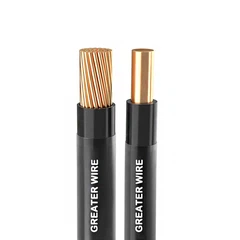

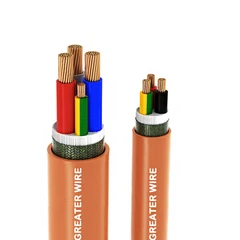
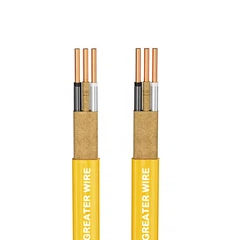
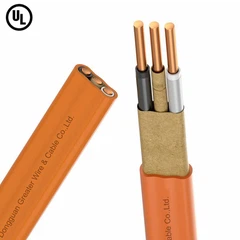
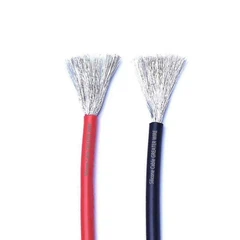
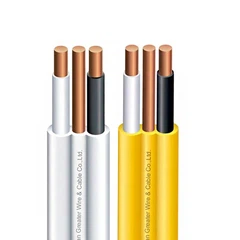
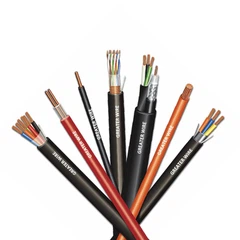
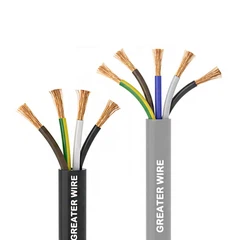
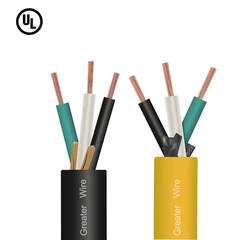
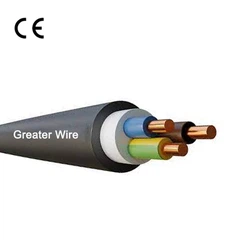

When it comes to electrical installations, choosing the right cable is more than a technical decision-it's a matter of safety, reliability, and compliance. One of the most commonly used wiring types is the Armored Cable (AC), prized for its strength and flexibility.
But here's a crucial question that many contractors and homeowners overlook:
Where is AC cable not permitted to be used?
Understanding the limits of AC cable application isn't just about avoiding fines or inspection failures-it's about protecting people, property, and performance. Let's explore what AC cable is, where it can and can't be used, and how to make the smartest, safest choice for your project.
What Is AC Cable?
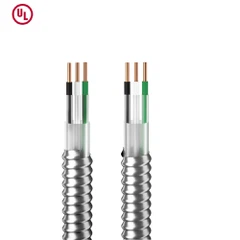
AC cable (Armored Cable), as defined by the National Electrical Code (NEC Article 320), is a flexible electrical cable that consists of:
- Interlocked aluminum or steel armor for mechanical protection
- Insulated conductors within the armor
- A bonding strip to ensure grounding continuity
It is commonly referred to as Type AC or "BX" cable, and is widely used in residential, commercial, and light industrial wiring due to its:
- Excellent mechanical strength
- Ease of installation (no need for conduit in many applications)
- Compact design suitable for tight spaces
However, despite its advantages, AC cable isn't designed for every environment-and improper use can lead to corrosion, short circuits, or safety hazards.
General Rules for Using AC Cable
Under the NEC, AC cable is typically permitted in the following conditions:
- Dry indoor locations, such as within walls or ceilings
- Residential or commercial buildings where it's not subject to moisture
- Protected spaces where there is no risk of mechanical damage
When properly installed, AC cable delivers excellent protection and durability. Yet, understanding where it cannot be used is just as critical to ensure compliance and longevity.

Where AC Cable Is Not Permitted to Be Used
Damp or Wet Locations
AC cable is not rated for moisture exposure. It must never be installed:
- Outdoors without a protective conduit
- In bathrooms, crawl spaces, or basements prone to dampness
- In underground runs or near water sources
Alternative: Use MC (Metal-Clad) cable or UF (Underground Feeder) cable for such conditions.
Corrosive or Hazardous Environments
In areas where chemical vapors, acids, or corrosive gases are present (e.g., factories, chemical plants), AC cable can deteriorate quickly. Its armor may corrode, leading to dangerous faults.
Solution: Choose corrosion-resistant, jacketed MC cable or sealed conduit systems.
Direct Burial or Concrete Encapsulation
AC cable cannot be buried directly in soil or encased in concrete, as it's not moisture-sealed. Direct contact with these materials can cause long-term corrosion and insulation breakdown.
Exposed or Unprotected Areas
Avoid using AC cable where it can be physically damaged-such as in garages, open framing, or mechanical rooms-unless adequate protection (like conduit or covering) is provided.
Outdoor Installations
AC cable is not designed for outdoor exposure to sunlight or extreme temperatures. For outdoor applications, MC cable with an outdoor-rated jacket or conduit wiring is required.
Air Plenum Spaces (Unless Listed)
Because of fire and smoke concerns, AC cable is generally not permitted in air-handling or plenum spaces, unless it is specifically rated and listed for that use.

Common Misunderstandings About AC Cable
Many installers and DIY users make costly mistakes due to misconceptions about AC cable:
❌ Myth 1: "If it has armor, it's safe for outdoor use."
Truth: AC armor protects against mechanical impact, not moisture or UV exposure.
❌ Myth 2: "AC and MC cables are the same."
Truth: MC cable includes an additional insulated grounding conductor and can be used in more environments, including damp locations.
❌ Myth 3: "Any armored cable passes inspection."
Truth: Compliance depends on environmental rating, listing, and proper installation per NEC standards.
Understanding these differences helps ensure code compliance and long-term safety.
Why Choose Our AC90 Cable?
Our AC90 armored cable is engineered for:
- Superior flexibility and easy installation
- Corrosion-resistant aluminum armor for long life
- NEC and CSA compliance for both safety and reliability
- Available for small or large-scale projects, with custom specifications upon request
No matter your project-residential, commercial, or industrial-we provide full technical support, professional consultation, and fast delivery to keep your business moving forward.
📞 Contact Us Today:
- Dongguan Greater Wire & Cable Co., Ltd.
- Tel/WhatsApp/WeChat: +86 135 1078 4550 / +86 136 6257 9592
- Email: manager01@greaterwire.com
Let our team of professionals help you choose the safest and most efficient wiring solution for your next project.
Your safety, our expertise - Greater Wire & Cable.