


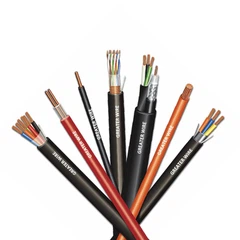
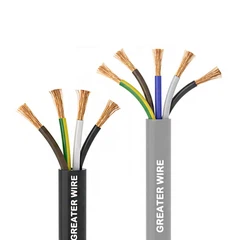
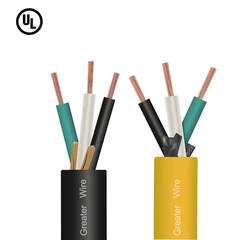
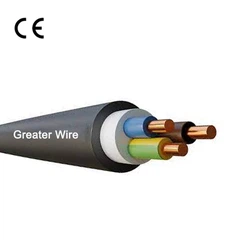
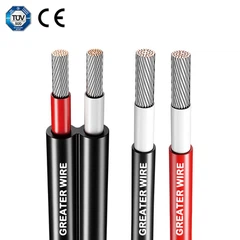

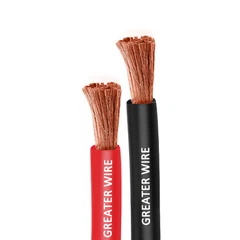
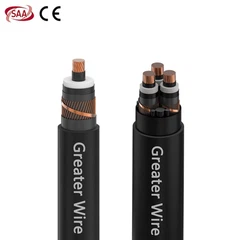
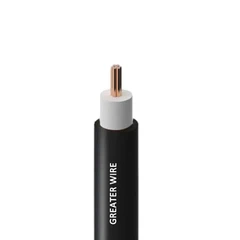
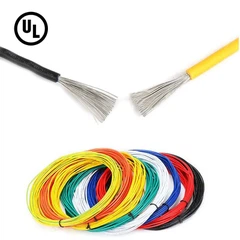
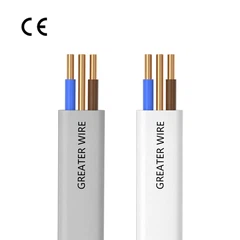
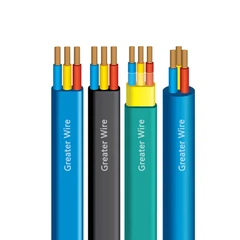
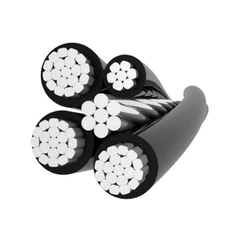
If you have ever worked on a battery system-whether it is a solar storage bank, an electric vehicle, a forklift, or a UPS-you have probably encountered a thick, flexible cable with red or black insulation connecting the batteries to the rest of the system. That is likely a Class 5 copper PVC battery cable.
But what exactly does "Class 5" mean? And why does it matter?
This article explains what Class 5 copper PVC battery cable is, how it differs from other cables, its key characteristics, and where it is used in real-world applications.

1. What Is Class 5 Copper Conductor?
Conductors are classified based on their construction and flexibility:
Class 1: Solid conductor (single wire) - stiffest, used for fixed installations
Class 2: Stranded conductor (few thick strands) - moderately flexible, used for general wiring
Class 5: Flexible conductor (many thin strands) - highly flexible, designed for applications requiring frequent bending or movement
Class 6: Extra flexible conductor (very many ultra-fine strands) - maximum flexibility
A Class 5 conductor is made by twisting a large number of thin copper wires together.
What this means for you: A Class 5 conductor bends easily, withstands repeated flexing without breaking, and is much easier to route through tight spaces than solid or coarse-stranded conductors.
A Class 5 copper battery cable uses this flexible conductor construction with PVC insulation, specifically designed for DC power applications in battery systems.
2. What Is a PVC Battery Cable?
A PVC battery cable is a high-current DC cable with polyvinyl chloride (PVC) insulation. It is designed to connect batteries to loads such as starters, inverters, motors, and power distribution units.
Key construction features:
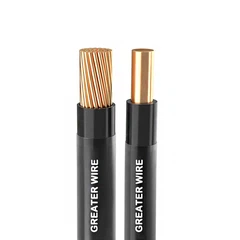
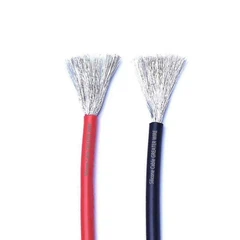
- Conductor: Multi-strand bare copper (Class 5/6 soft strand)
- Insulation: PVC compound (standard, heat-resistant, or flame-retardant grade). Thickness typically 0.8–2.0 mm depending on voltage rating and gauge.
- Jacket (optional): PVC outer layer for extra mechanical protection in harsh environments.
- Color coding: Red (positive) and black (negative) for easy polarity identification.
Typical specifications:
- Rated voltage: 450/750V AC / 600V DC
- Temperature range: Standard PVC –20°C to +70°C; heat-resistant grades up to 105°C
- Flame retardancy: VW-1 – self-extinguishing
- Conductor sizes: 2.5 mm² to 95 mm² (AWG 14 to 3/0)
For battery cable for DC power, the 600V DC rating is a critical specification-it ensures the cable can handle the voltage levels common in battery banks, solar storage systems, and electric vehicles.

3. Why Class 5 Matters for Battery Connections
Battery connections are not static. Batteries are moved, replaced, and reconfigured. Vibration is constant in vehicles and mobile equipment. Cable routing in battery cabinets is tight and complex.
Class 5 conductors solve these problems:
- Flexibility: The many thin strands bend easily, reducing stress on terminations
- Vibration resistance: Fine stranding resists fatigue failure from constant movement
- Ease of installation: Cables can be routed through tight spaces without excessive force
- Termination reliability: Flexible conductors conform better to lug connections, reducing resistance and heat buildup
A flexible copper conductor cable for batteries like Class 5 ensures that connections remain reliable even in high-vibration environments such as forklifts, golf carts, and electric vehicles.
4. Key Advantages of Class 5 Copper PVC Battery Cable
- High flexibility. Class 5 fine copper stranding ensures easy routing in tight battery cabinets. This is essential for energy storage systems where batteries are packed densely and cable paths are constrained.
- Double PVC protection. Many Class 5 battery cables feature both PVC insulation and a robust PVC outer sheath, offering enhanced resistance against mechanical impact and abrasion.
- Chemical resistance. PVC battery cables effectively withstand battery acid, alkali, and oil. This is crucial in environments where batteries may leak or where oil and grease are present.
- Flame retardant. PVC is formulated with flame retardants that meet VW-1 standards. In the event of a short circuit or overload, the cable resists ignition and does not propagate flames.
- Cost-effective. PVC battery cables offer the best price-to-performance ratio among battery cable types-significantly cheaper than silicone or rubber alternatives while delivering reliable electrical performance.
- Reliable copper conductor. High-conductivity bare copper ensures stable current flow and minimal voltage drop over years of service.
5. Where Is Class 5 Copper PVC Battery Cable Used?
Class 5 copper PVC battery cables are used in a wide range of DC power applications:
- Energy Storage Systems (ESS). Battery cabinets in solar storage systems, grid-scale storage, and residential battery units require flexible cables that can be routed in tight spaces. Class 5 cables are rated for DC 900V-1500V energy storage environments.
- Electric Vehicles (EV) and Hybrid Vehicles. Connecting battery packs to inverters, motors, and charging systems. The cable must handle high current while withstanding vibration and temperature changes.
- Forklifts and Material Handling Equipment. Industrial batteries in forklifts, scissor lifts, and floor machines require flexible cables that can withstand frequent movement and vibration.
- Golf Carts and Utility Vehicles. Battery connections in golf carts, lawn mowers, and other battery-powered utility vehicles.
- Marine and RV Applications. Battery systems in boats, RVs, and marine vessels.
- UPS and Backup Power Systems. Stationary battery banks in data centers, hospitals, and critical facilities require reliable, flexible battery cables.
- Solar Energy Storage Systems. Connecting solar panels to battery banks and inverters.
- Industrial Battery Packs. Large-scale industrial battery systems for peak shaving, load leveling, and backup power.
For Class 5 copper battery cable, common cross-sections range from 2.5 mm² to 95 mm² (or AWG 14 to 3/0). Larger sizes up to 400 kcmil are available for high-current applications.

FAQ
Q1: What does Class 5 mean in battery cable?
Class 5 is a conductor flexibility classification. It means the conductor is made of many thin copper strands twisted together, providing high flexibility for applications requiring bending and vibration resistance.
Q2: Is Class 5 battery cable suitable for outdoor use?
Yes, when the PVC insulation is UV-resistant and the cable is properly installed.
Q3: What is the voltage rating of Class 5 PVC battery cable?
Standard Class 5 PVC battery cables are rated 450/750V AC and 600V DC. Heat-resistant grades for energy storage systems are rated up to DC 900V-1500V.
Need Class 5 Copper PVC Battery Cable for Your Project?
Our Class 5 flexible copper PVC battery cables are available in sizes from 2.5 mm² to 400 kcmil, with red/black color coding. Whether you are building an energy storage system, an electric vehicle, or an industrial battery bank, we have the right cable for your application.
Tell us about your project-voltage, current, and installation conditions. We will recommend the right Class 5 copper PVC battery cable and provide the documentation you need.
Contact us
Dongguan Greater Wire & Cable Co., Ltd.
Tel/WhatsApp/Wechat: +86 136 6257 9592
Tel/WhatsApp/Wechat: +86 135 1078 4550
Email: manager01@greaterwire.com
Website: www.greaterwire.com