



1. What is MTW (machine tool wire) and its UL1063 standard?
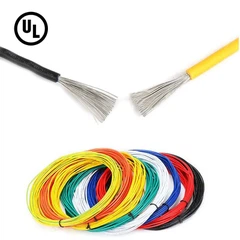
"MTW" stands for "machine tool wire," specifically for electrical connections within machine tools or accessory equipment. This type of wire must possess high flexibility, good abrasion resistance, and adaptability to vibration and complex wiring environments, making it extremely common in industrial automation and manufacturing.
The key standard it complies with is UL1063. Developed by Underwriters Laboratories (UL), this standard specifically specifies the structure, performance, and safety requirements for wiring within machine tools and industrial machinery. MTW cable must also comply with the National Electrical Code (ANSI/NFPA 70) and the Electrical Standard for Industrial Machinery (ANSI/NFPA 79). Since 2007, AWM (Appliance Wiring Material) cable, traditionally used for home appliance wiring, has been excluded from NFPA 79, further highlighting the specialized and essential nature of MTW for industrial wiring.

2. Key Technical Characteristics of MTW Cable
Rated Voltage and Temperature Capability
MTW wire is generally rated at 600V and is suitable for control and power circuits commonly found in industrial machinery. Its temperature rating is differentiated by: it can withstand temperatures up to approximately 90°C in dry environments, while exposure to moisture, oil, or coolant is recommended to not exceed 60°C. This ensures the cable's reliability in a variety of industrial scenarios.
Construction and Insulation Materials
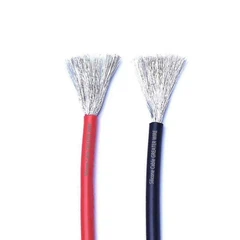
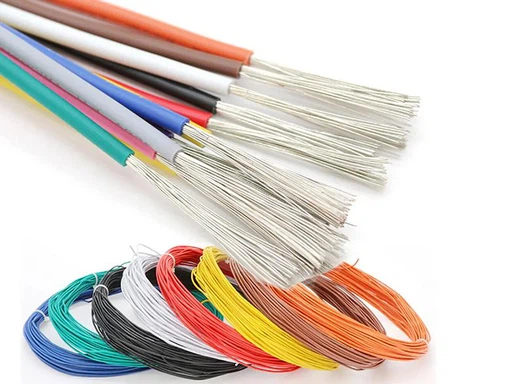
MTW cable utilizes stranded annealed copper conductors, offering excellent flexibility and flex fatigue resistance, making it suitable for use in dynamic mechanical environments. The insulation material is primarily PVC (polyvinyl chloride), which offers abrasion, oil, and chemical resistance, as well as excellent flame retardancy. Some products are additionally coated with a nylon (polyamide) sheath for enhanced oil resistance, abrasion resistance, and mechanical protection.
Flame Retardancy and Safety Certifications
MTW cable must pass the VW-1 flame retardancy test, and can also meet higher levels such as FT-1 and FT-4. It also has the UL1063 certification mark, which means that its structure and performance meet the stringent standards for industrial machinery use
3. Typical Uses of MTW Wire
Internal Wiring in Industrial Machine Tools
MTW wire is widely used in machine tool internal electrical control systems, such as transmission modules, servo controls, and pushbutton panels. Its vibration and abrasion resistance, combined with its excellent flexibility, makes it ideal for the frequently moving wiring found in machine tools.
Control Cabinet and Terminal Block Connections
In automation and machine control systems, control cabinets are often compact and complex. MTW wire's multi-strand structure allows for easy bending, adapting to various connections and ensuring stable signal and power transmission.
Wiring in Refrigeration Equipment and Household Appliances
MTW wire is also used for internal wiring in air conditioners, automatic washing machines, and refrigeration equipment. Its moisture and oil resistance allows it to withstand the demands of long-term operation and complex environments.
Conduit Wiring and Equipment Connections
Its flexible, multi-strand structure makes it easy to route through pipe raceways and conduit systems, maintaining connection integrity even in complex routings and reducing the risk of wire damage.
Wiring for Dynamic Mechanical Equipment and Moving Components
MTW wire is suitable for connecting cables in dynamic locations such as automated production lines, robotic joints, and mobile platforms. It maintains stable performance despite continuous bending and vibration.

4. Advantages of MTW wire over Other Wires
More Suitable for Industrial Environments than AWM: While AWM (home wire) is suitable for wiring inside fixed equipment, it is prone to failure in vibration and moisture. MTW, complying with UL1063 and NFPA79, is more suitable for the machine tool industry.
Superior to THHN/THWN Series in Dynamic Adaptability: THHN/THWN cables are mostly solid conductors or stranded, suitable for building wiring. MTW CABLE's multi-strand design offers greater flexibility, making it suitable for dynamic mechanical connections and resistant to oil and coolant.
5. How to Choose the Right MTW Cable
Determine Environmental and Temperature Requirements
For use in dry areas, choose a model rated for temperatures ≥90°C. For use in humid, oily environments, choose a model rated for temperatures ≥60°C.
Conductor and Strand Selection
For dynamic components or those subject to frequent bending, choose a stranded type. A higher strand count provides greater flexibility. For static wiring, choose fewer strands or solid conductors to reduce costs.
Insulation Requirements
For environments exposed to oil, coolant, or mechanical abrasion, choose MTW cable with an additional nylon sheath. For general industrial applications, standard PVC insulation is sufficient.
Safety and Compliance
Always ensure that the MTW product is UL1063 certified and complies with relevant industrial safety standards such as NFPA79 and NFPA70 (NEC).