


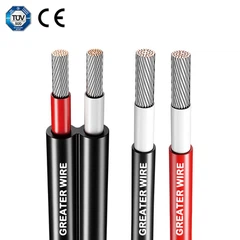

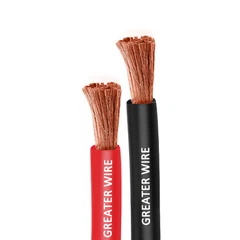
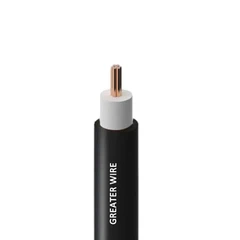
1. What Makes XHHW Wire Unique?
1.1 Material and Construction
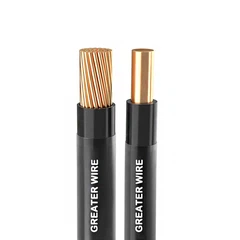
XHHW wire is constructed with a cross-linked polyethylene (XLPE) insulation, which provides exceptional resistance to heat, moisture, chemicals, and abrasion. This makes it suitable for both dry and wet locations, including direct burial (when rated XHHW-2). Unlike thermoplastic-insulated wires like THHN, XLPE retains its structural integrity at higher temperatures (up to 90°C in dry conditions and 75°C in wet environments). This thermal stability reduces the risk of insulation degradation over time, ensuring a longer service life.
1.2 Key Advantages
Higher Ampacity: XHHW copper conductors, such as 1/0 XHHW copper wire and 2/0 XHHW wire, can carry more current than similarly sized THHN or Romex cables due to superior insulation properties.
Moisture Resistance: XHHW-2-rated wires (e.g., XHHW-2 aluminum underground) are specifically designed for underground or high-humidity installations.
Durability: XLPE insulation resists cracking, sunlight (UV exposure), and oil, making it ideal for industrial settings.
Safety Compliance: Meets NEC (National Electrical Code) standards for use in conduit, raceways, and direct burial.
2. Cost Comparison: XHHW vs. Alternative Wires
2.1 XHHW Copper vs. THHN Copper
THHN (Thermoplastic High Heat-Resistant Nylon) is a common alternative to XHHW. While THHN is slightly cheaper upfront, its thermoplastic insulation lacks the longevity of XLPE. For example, 1 AWG XHHW wire costs approximately 10–15% more than THHN of the same gauge. However, over a 20-year lifecycle, XHHW's reduced maintenance and replacement needs offset the initial premium. THHN is also limited to dry locations unless dual-rated as THWN-2, which narrows its cost advantage.
2.2 XHHW Aluminum vs. USE-2 Aluminum
Aluminum wires like XHHW-2 aluminum underground are popular for cost-sensitive projects. Compared to USE-2 (Underground Service Entrance) cables, XHHW-2 offers better heat resistance and flexibility. While USE-2 is slightly cheaper per foot, it lacks the dual ratings (dry/wet) of XHHW-2, limiting its application scope. For underground installations, XHHW-2 aluminum underground ensures compliance with NEC moisture requirements, reducing long-term risks of corrosion or insulation failure.
2.3 XHHW vs. PV Wire for Solar Applications
Photovoltaic (PV) wire is designed for solar panel connections. While PV wire shares XHHW's UV resistance, it lacks the same heat tolerance and mechanical strength. For example, 4 AWG XHHW can handle higher temperatures in combiner boxes or inverters, reducing the need for derating. Though PV wire is lighter, XHHW's versatility across solar and non-solar applications makes it a more cost-effective multi-purpose solution.

3. Applications and Value by Gauge
3.1 1/0 XHHW Copper Wire
Commonly used in feeder circuits and industrial machinery, 1/0 XHHW copper wire supports up to 150A at 75°C. Compared to 1/0 THHN, it offers better performance in humid environments like wastewater treatment plants. The higher initial cost (~2.50/ftvs.THHN's2.50/ftvs.THHN's2.20/ft) is justified by its extended lifespan.
3.2 2/0 XHHW Wire
This gauge is ideal for service entrance cables and heavy-duty motors. A 2/0 XHHW wire can handle 175A, outperforming aluminum SER cables in ampacity. While aluminum alternatives are cheaper, copper's lower voltage drop and corrosion resistance reduce energy losses in long runs.
3.3 1 AWG XHHW Wire
Used in commercial HVAC systems and subpanels, 1 AWG XHHW wire balances cost and capacity. Its XLPE insulation allows tighter bundling in conduit without overheating concerns, saving installation labor compared to THHN.
3.4 4 AWG XHHW
A versatile choice for branch circuits and outdoor lighting, 4 AWG XHHW provides 85A capacity. Its moisture resistance eliminates the need for additional conduit in wet locations, cutting project costs by 15–20% compared to PVC-coated alternatives.
3.5 XHHW-2 Aluminum Underground
Aluminum XHHW-2 is a budget-friendly option for underground feeders. While XHHW-2 aluminum underground costs 30% less than copper, proper termination techniques are critical to prevent galvanic corrosion. Its lightweight nature reduces shipping costs for large projects.

4. Long-Term Cost Savings of XHHW
4.1 Reduced Maintenance
XHHW's robust insulation minimizes downtime from insulation cracks or short circuits. For industrial plants, this reliability can save thousands annually in maintenance labor and production halts.
4.2 Energy Efficiency
Copper XHHW wires like 2/0 XHHW wire have lower resistance than aluminum, reducing voltage drop and energy waste over long distances. This efficiency can cut electricity bills by 3–5% in large facilities.
4.3 Compliance and Insurance Benefits
Using NEC-compliant XHHW wire reduces liability risks. Insurers often offer lower premiums for buildings with XLPE-insulated wiring due to its fire-resistant properties.

5. When to Choose Alternatives
While XHHW excels in most scenarios, consider alternatives for:
Temporary Installations: THHN's lower cost may suffice for short-term use.
Extreme Flexibility: MTW (Machine Tool Wire) is better for repetitive motion.
Low-Voltage Systems: UF-B cable is cheaper for residential outdoor lighting.

Dongguan Greater Wire & Cable Co., Ltd.'s UL certification and price advantage create great value for American customers. Our products are certified by UL83, UL44, UL719, UL493 UL1277, etc., and the quality is reliable. The large-scale production and high production efficiency can effectively reduce costs. The price is 25% lower than that of domestic American brands. We can provide you with high-quality and low-priced cable products. Whether it is a large commercial project or a small residential renovation, we can meet your needs.