























In the world of solar energy, solar cables play a crucial role in ensuring the safe and efficient transmission of electrical energy from solar panels to inverters and from there to the grid or storage devices. Among the various types of solar cables available, the H1Z2Z2-K cable has become one of the most widely used due to its durability, flexibility, and resistance to various environmental factors. However, when considering any cable for a solar installation, one of the key factors to consider is its service life-the duration for which it will perform reliably and without failure.
In this article, we will explore the service life of the H1Z2Z2-K solar cable, factors influencing its longevity, and how to maximize the lifespan of solar cables in general. Additionally, we will discuss the key attributes that make the H1Z2Z2-K cable a reliable option for solar wire applications and how it compares to other cables commonly used in solar systems.

1. What is the H1Z2Z2-K Solar Cable?
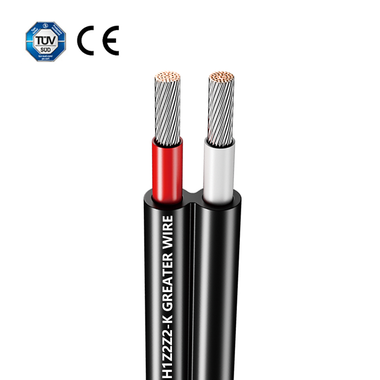
The H1Z2Z2-K cable is a specialized cable designed for use in photovoltaic (PV) solar systems. It is often selected for solar panel wiring due to its ability to handle high voltages, resist UV radiation, and withstand temperature fluctuations and mechanical stresses. The cable is known for its:
Voltage rating: Typically up to 1,000V DC for standard models, making it suitable for residential and commercial solar installations.
Insulation: The double-layered insulation (denoted by Z2Z2) offers enhanced protection against environmental factors such as moisture, UV rays, and temperature extremes.
Flexibility: The K designation indicates that the cable is highly flexible, which makes it easier to install and manage in tight spaces and complex PV system layouts.
Mechanical durability: The cable is designed to resist abrasion, tears, and other physical damage that may occur during installation or in harsh outdoor conditions.
The H1Z2Z2-K cable is ideal for both indoor and outdoor applications, including rooftop installations, where it can be exposed to sunlight, wind, rain, and extreme temperatures. It is primarily used for the interconnection of solar panels, inverters, and other electrical components in a solar system.
2. Understanding the Service Life of the H1Z2Z2-K Cable
The service life of a cable refers to the period during which the cable can perform its intended function without significant degradation of its electrical, mechanical, or insulation properties. For solar cables, the service life is influenced by several factors, including the quality of the materials used, the environmental conditions to which the cable is exposed, and how well the cable is maintained over time.
The H1Z2Z2-K solar cable is typically designed to have a long service life, with manufacturers often specifying a minimum service life of 25 years under typical usage conditions. This duration is based on standard operating conditions, which include exposure to solar radiation, ambient temperature, and weather. However, the actual service life of the cable can vary depending on several factors.
3. Factors Influencing the Service Life of the H1Z2Z2-K Cable
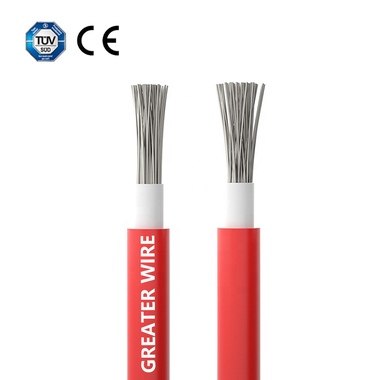
Several factors can influence the service life of the H1Z2Z2-K cable, both in terms of its physical integrity and its ability to maintain reliable electrical conductivity. These factors include:
3.1 Environmental Conditions
The environmental conditions in which the cable is installed have a significant impact on its service life. The H1Z2Z2-K solar cable is designed for outdoor use, and as such, it is built to withstand exposure to sunlight, moisture, and varying temperatures. However, extreme environmental conditions can accelerate wear and tear, leading to a shorter lifespan.
UV Exposure: Over time, prolonged exposure to UV radiation from the sun can degrade the insulation material of the cable. This can lead to cracks in the outer insulation layer and, in extreme cases, failure of the cable. However, the H1Z2Z2-K cable is designed with UV-resistant insulation, which helps to protect it from degradation due to sunlight.
Temperature Extremes: The cable can operate within a temperature range of -40°C to 90°C, depending on the specific model. Excessive heat can cause the insulation material to become brittle, while freezing temperatures can make the cable more prone to cracking and damage. Proper installation methods, such as ensuring the cable is not exposed to direct heat sources, can help mitigate temperature-related wear.
Moisture: Exposure to moisture or water can lead to insulation breakdown and corrosion of the conductors, which may shorten the cable's service life. However, the H1Z2Z2-K cable is designed to be resistant to moisture ingress, providing good protection against water-related damage.
3.2 Mechanical Stress and Wear
The cable's ability to withstand physical stress is another key factor influencing its service life. Cables used in solar applications are often subjected to mechanical stresses during installation and throughout their lifetime. The H1Z2Z2-K cable is designed to be flexible and durable, which allows it to withstand bending, abrasion, and pulling forces.
However, excessive mechanical stress, such as excessive tension during installation or repeated movement, can cause wear on the insulation and even damage the conductor. Ensuring that cables are properly installed, protected from abrasion, and secured in place can help prevent unnecessary mechanical stress.
3.3 Electrical Load
The electrical load carried by the cable is another factor that influences its service life. Cables are designed to carry a certain amount of current without overheating or experiencing degradation. For the H1Z2Z2-K cable, the current-carrying capacity depends on the cable size and the insulation material.
Overloading the cable by running excessive current through it can lead to overheating, which can cause the insulation to break down and the cable to fail prematurely. Proper sizing of the cable based on the solar system's power requirements and regular maintenance to ensure that the system is operating within safe electrical limits are essential to maximizing the cable's service life.
3.4 Installation Quality
The quality of installation plays a crucial role in determining the service life of any cable. Poor installation practices, such as improperly securing cables, exposing them to excessive mechanical strain, or incorrectly routing cables, can lead to premature cable failure. Conversely, careful installation that minimizes mechanical stress, ensures proper cable protection, and avoids damage to the cable will contribute to a longer service life.
3.5 Maintenance and Inspection
Regular maintenance and inspection of the cables are essential for ensuring their long-term performance. While the H1Z2Z2-K cable is designed to be low-maintenance, periodic inspections can help identify any potential issues, such as damage to the insulation or signs of wear due to mechanical stress or environmental exposure.
In addition to regular inspections, cleaning the cables of dirt and debris, especially in environments with heavy dust or pollution, can help maintain the integrity of the insulation and prevent degradation over time.

4. Typical Service Life of the H1Z2Z2-K Cable
Under typical conditions, the H1Z2Z2-K solar cable is designed to provide a service life of at least 25 years. This is based on the assumption that the cable is installed in accordance with industry standards, exposed to typical environmental conditions, and not subjected to excessive stress or misuse.
In residential and commercial solar installations, where the cable is typically used in outdoor environments, the H1Z2Z2-K cable can perform reliably for 25 years or more, as long as it is maintained properly and installed correctly. In some cases, the cable's actual service life may exceed this period, especially if the system is well-maintained and operating under mild environmental conditions.
4.1 Real-World Performance
While manufacturers typically specify a 25-year minimum service life for the H1Z2Z2-K cable, real-world performance can vary based on several factors. For example, cables installed in extreme climates with prolonged exposure to UV radiation or extreme temperatures may experience a shorter lifespan. Similarly, cables that are subjected to frequent mechanical stress or electrical overloading may degrade more quickly.
In contrast, cables installed in moderate climates and well-maintained systems may exceed the expected service life, continuing to perform for 30 years or more.

5. Maximizing the Service Life of the H1Z2Z2-K Cable
To ensure that the H1Z2Z2-K solar cable lasts for its full service life, several best practices can be followed during installation, operation, and maintenance:
Proper installation: Ensure that cables are installed according to manufacturer guidelines, with sufficient protection from physical stress, UV exposure, and extreme temperatures.
Regular inspections: Conduct periodic inspections to identify signs of wear or damage, especially in high-stress areas like junction boxes or areas where cables are exposed to excessive movement.
Temperature and environmental considerations: Minimize exposure to extreme temperatures and UV radiation by using appropriate cable management techniques, such as using cable conduits or trays.
Protect against mechanical damage: Avoid subjecting cables to mechanical stress, such as excessive bending, pulling, or compression, and ensure that cables are not exposed to sharp edges or abrasive surfaces.