


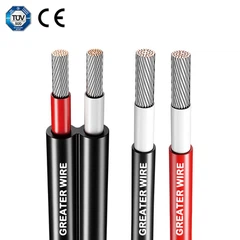

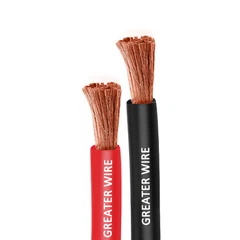
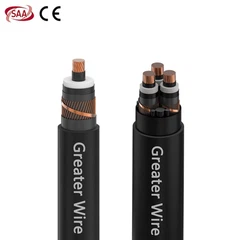
As solar energy systems continue to grow in popularity and complexity, the performance of the cables used to connect photovoltaic (PV) panels, inverters, and other system components becomes ever more crucial. One important factor to consider when selecting cables for solar installations is their ability to resist electromagnetic interference (EMI), a phenomenon that can degrade the performance of electrical systems and devices. In this article, we will examine whether the H1Z2Z2-K cable, a popular solar cable, has the capability to resist EMI, and why this characteristic is important for the performance and safety of solar systems.

1. Understanding Electromagnetic Interference (EMI)
Electromagnetic interference (EMI) refers to the disturbance caused by external electromagnetic fields that interfere with the normal operation of electrical circuits. EMI can be generated by both natural and man-made sources, including power lines, electrical devices, radio frequency signals, and even solar panels themselves. EMI can lead to a variety of issues in electrical systems, including:
Signal degradation: Interference can affect the transmission of data or control signals in systems such as solar monitoring or communication devices.
System malfunctions: EMI can cause electrical components such as inverters and controllers to malfunction, leading to system downtime or reduced efficiency.
Power loss: Interference can lead to power losses due to improper electrical flow or reduced energy conversion efficiency.
In solar installations, EMI can come from several sources, including:
Inverter switching: The process of converting DC power from the solar panels to AC power for use in the grid or in storage involves switching operations that can create EMI.
Power cables: The cables themselves can either emit or be affected by EMI, especially when they carry high currents or long distances of electrical transmission.
Other equipment: Equipment such as motors, transformers, and other electrical devices in the system can also contribute to EMI.
Because EMI can significantly impact the performance of a solar system, it is crucial to select cables that can resist or minimize such interference.

2. Properties of the H1Z2Z2-K Solar Cable
The H1Z2Z2-K cable is a widely used cable in solar applications, especially in residential and commercial PV systems. This cable is known for its durability, flexibility, and ability to withstand harsh environmental conditions. Key features of the H1Z2Z2-K cable include:
Voltage rating: The cable is designed for applications with voltages up to 1,000V DC (or higher, depending on specific models).
UV resistance: The cable is UV resistant, which makes it suitable for outdoor applications where it is exposed to sunlight.
Temperature resistance: The cable can operate in temperatures ranging from -40°C to 90°C, making it suitable for a variety of climates.
Mechanical resistance: The cable is built to withstand physical stresses, including abrasion, tearing, and impact.
The H1Z2Z2-K cable is typically used in the interconnection of solar panels, inverters, and other electrical components in a PV system, where it performs a critical role in carrying high-voltage DC electricity. It is often chosen for its robustness and flexibility, especially in areas where cables may be exposed to UV light or other harsh environmental factors.
However, when it comes to its ability to resist electromagnetic interference (EMI), the question becomes whether the cable is designed to mitigate or block EMI effectively.

3. Electromagnetic Interference Resistance in Solar Cables
In general, most solar cables, including the H1Z2Z2-K cable, are not specifically designed to offer electromagnetic shielding. This is because solar cables are typically focused on conducting DC power rather than dealing with the noise and interference associated with AC power systems. However, several factors can influence the ability of a cable to resist or minimize EMI, including:
Insulation material: The materials used for the cable's insulation can affect its susceptibility to EMI. Cables with thicker or denser insulation materials may have better resistance to EMI.
Conductor construction: Cables with multiple conductors or twisted pairs can help cancel out some of the EMI by ensuring that the conductors' electromagnetic fields interact in a way that neutralizes interference.
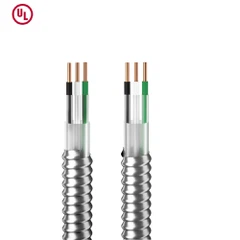
Cable shielding: Cables that are specifically designed to resist EMI often incorporate shielding materials-such as braided copper wire or foil shields-that surround the cable and block out electromagnetic radiation.
The H1Z2Z2-K cable is typically constructed with a double-layered insulation system, which is designed to provide mechanical protection and electrical safety. However, it does not typically feature additional EMI shielding, as it is primarily focused on protecting against environmental factors such as UV exposure and temperature extremes.

4. Factors Affecting EMI in Solar Installations
Even though the H1Z2Z2-K cable may not be designed with specific EMI resistance in mind, it is essential to understand the broader context of EMI in solar installations. In particular, the following factors should be considered:
4.1 Distance and Layout of Cable Runs
The longer the cable runs in a solar system, the more likely they are to be affected by or contribute to EMI. Long cables can act as antennas, especially if they are carrying high current, which can result in both radiated EMI and susceptibility to external interference. Proper cable management-such as minimizing cable length, using proper cable routes, and avoiding parallel runs with high-voltage AC cables-can help reduce EMI risks.
4.2 Use of Inverters
Inverters are one of the primary sources of electromagnetic interference in solar systems. Switching-mode power supplies (SMPS) inside inverters can generate significant EMI due to the high-frequency switching operations they perform. Inverters with poor EMI filtering can radiate interference that may affect other sensitive equipment. When selecting cables, it's important to ensure that the cable layout minimizes the impact of inverter-generated EMI.
4.3 Environmental Considerations
In installations where there are significant levels of EMI-such as industrial environments with large motors or transformers-additional EMI protection may be necessary. Shielded cables (which incorporate materials like braided copper or aluminum foil) can help block out unwanted interference. However, for residential and commercial solar systems in typical outdoor or rooftop environments, the level of EMI is usually not significant enough to warrant the need for such shielding.
4.4 Regulatory Standards for EMI in Solar Systems
While cables like the H1Z2Z2-K may not be specifically designed for EMI shielding, many countries have regulations in place that define acceptable levels of EMI in solar installations. Standards such as the IEC 60364 (International Electrotechnical Commission) and NEC (National Electric Code) in the United States provide guidelines on limiting EMI exposure in solar systems. These standards require that systems be designed and installed in a way that minimizes electromagnetic disturbance, ensuring that cables, inverters, and other components do not interfere with other electrical systems or cause safety issues.

5. Mitigating EMI in Solar Installations
Although the H1Z2Z2-K cable may not inherently provide electromagnetic shielding, several practices can be used to minimize EMI in solar installations:
5.1 Proper Cable Management
Using cable management systems such as cable trays, raceways, or conduits can help reduce the impact of EMI by keeping cables organized and routed away from sources of interference. Ensure that cables are not run in parallel with AC power cables to avoid inducing noise.
5.2 Twisted Pair Cables
In some cases, twisted pair cables (which consist of two insulated conductors twisted together) can be used to cancel out EMI. This design helps reduce the effect of external interference, especially when the cable needs to carry data or control signals.
5.3 Shielded Cables
If EMI is a major concern in a particular installation, consider using shielded solar cables, which feature an additional layer of conductive material (such as copper or aluminum foil) around the conductors. This shield prevents external electromagnetic fields from penetrating the cable and helps contain any electromagnetic emissions generated within the cable.
5.4 Use of High-Quality Inverters
To minimize the EMI generated by the solar inverter, it is important to choose an inverter with high-quality EMI filtering capabilities. Inverters that comply with international EMI standards such as IEC 61000-6-3 (for residential and light industrial applications) will reduce the amount of interference they emit.