

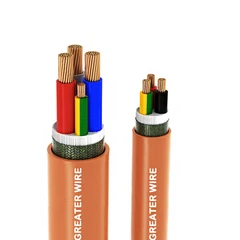
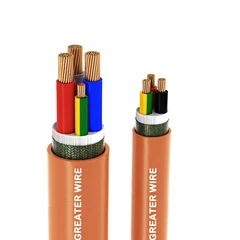


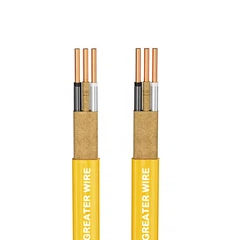
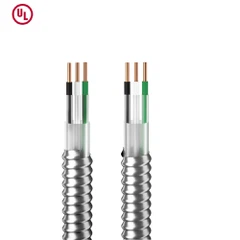
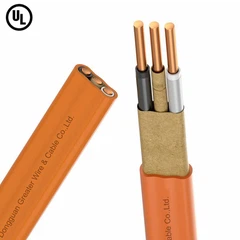

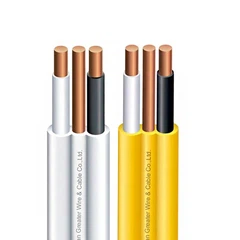
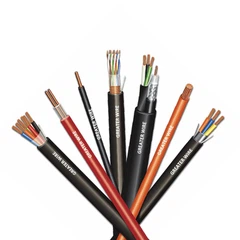
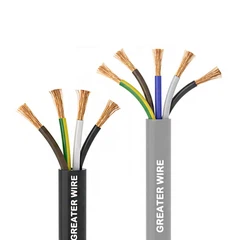
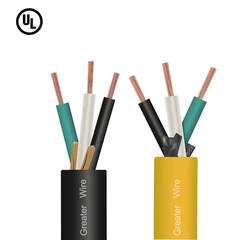
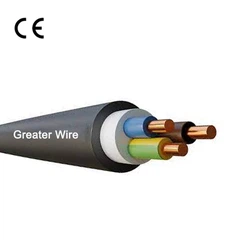
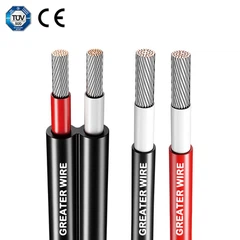

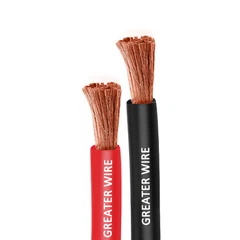
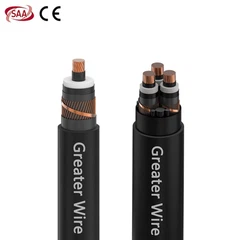
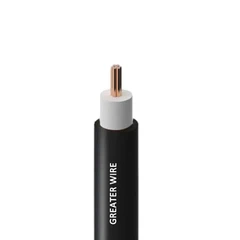
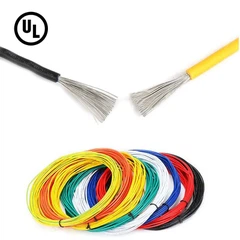
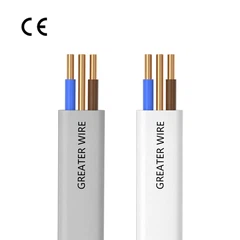
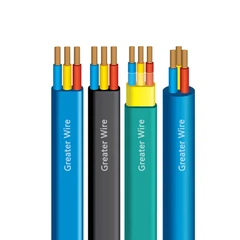
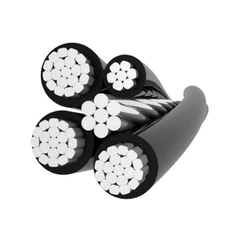
In modern home electrical systems, TPS wire (Thermoplastic Sheathed Cable) is one of the most common types of cables. It is widely used in electrical wiring in residential and commercial buildings, especially in lighting circuits, socket circuits and power connections of some household appliances. Since TPS cables involve current transmission, safety during installation is crucial, and any negligence may lead to electrical failures or even fires and other safety accidents. Therefore, it is very necessary to follow appropriate safety regulations when installing TPS wires.
This article will introduce in detail the safety regulations that should be followed when installing TPS wires, including electrical safety, environmental requirements, installation technical requirements and other aspects to ensure the stability of the electrical system and the safety of users.


1. Understand the basic characteristics of TPS cables
Before installing TPS wires, you must first understand its basic characteristics. TPS cables are usually composed of conductors, insulation layers and outer sheaths. The conductors are usually made of copper or aluminum, and the outer sheaths are made of thermoplastic materials (such as PVC). This design makes TPS cables have excellent temperature resistance, corrosion resistance and resistance to mechanical damage. Understanding these characteristics helps to correctly select the appropriate installation location and use environment.
In addition, the rated voltage of TPS cables is usually 300/500V, 600/1000V, etc. When using, it is necessary to ensure that the rated voltage of the cable is higher than or equal to the rated voltage of the electrical equipment.

2. Follow local electrical safety regulations and standards
When installing TPS wires, you must strictly follow the local electrical safety regulations and standards. The electrical safety standards of each country and region may be different, but the electrical safety regulations in most regions require that when installing electrical equipment and cables, certain standards must be met to ensure the safety of personnel and property.
Taking Australia as an example, the installation of TPS wires must follow the relevant requirements of the Australian Electrical Installation Standard (AS/NZS 3000). This standard specifies the installation requirements of electrical equipment, cable selection, wiring methods, protective devices, etc. In other countries, similar standards are also required to be followed, such as the International Electrotechnical Commission Standard (IEC).

3. Choose the right specifications of TPS cables
Choosing the right specifications of TPS cables is one of the most critical steps in the installation process. If the cable specifications do not meet the requirements of the current load, it may cause the cable to overheat, fuse, or cause a fire. Therefore, when selecting TPS cables, the following aspects need to be considered:
(1) Current carrying capacity
TPS cable specifications are usually distinguished by cross-sectional area, such as 1.5 mm², 2.5 mm², 4 mm², etc. Select the appropriate cable specification according to the size of the electrical load. For example, 2.5 mm TPS cables are usually used to carry 20 amperes of current and are suitable for household sockets and lighting circuits. If the current load is larger, a larger cable specification (such as 4 mm², 6 mm², etc.) should be selected.
(2) Cable material
TPS cable conductors are usually copper or aluminum. Copper conductor cables have better conductivity, so copper conductor TPS cables are more common in most household electrical systems. However, aluminum conductor cables have lower costs and are also used in some simpler electrical installations. It is necessary to select the appropriate cable material according to actual needs.
(3) Outer sheath material
TPS cable outer sheath is usually made of PVC, which has the characteristics of UV resistance, corrosion resistance, and high temperature resistance. During installation, ensure that the selected cable outer sheath can adapt to factors such as temperature, humidity, and UV exposure in the environment. For electrical wiring outdoors or in humid environments, cables with additional waterproof and moisture-proof features can be selected.

4. Proper TPS cable laying
When installing TPS cables, the cable laying method is very important. The correct laying method can ensure the safe operation of the cable and avoid potential electrical failures. The following are some things to pay attention to during installation:
(1) Avoid excessive bending
The cable should avoid excessive bending during installation. Excessive bending can damage the insulation layer of the cable, causing electrical failure or short circuit of the cable. Each cable has a minimum bending radius, which should be strictly followed during installation. Generally, the minimum bending radius of TPS cables is about 5 times the outer diameter of the cable.
(2) Avoid high temperature or humid environments
Although TPS cables have good temperature and moisture resistance, they may still be damaged in extreme temperatures or overly humid environments. Therefore, when installing cables, try to avoid exposing the cables to high temperature or humid environments. When used in humid environments, cables designed for humid environments should be selected.
(3) Maintain proper cable spacing
If multiple cables need to be laid together, sufficient spacing should be maintained to prevent overheating or short circuiting of the cables. When intensively wiring, cable tubes or cable troughs should be used to keep the cables neatly arranged. Too small cable spacing will cause heat accumulation, which will affect the safety of the cables.
(4) Avoid mechanical damage
During the installation process, the cables should be protected from mechanical damage such as pulling, compression or collision. The outer sheath of the cable can provide certain protection during installation, but if the cable is subjected to excessive external force, it may cause the outer sheath to break or the conductor to break, causing electrical failure.

5. Use appropriate electrical protection equipment
In order to ensure the safety of the electrical system, appropriate protection devices should be equipped when installing TPS wires. The following are some common protection devices:
(1) Circuit Breaker
Circuit breakers are key devices to prevent current overload or short circuit. When the current load exceeds the safe range, the circuit breaker can automatically cut off the circuit to prevent damage to the cable or other electrical equipment. When installing TPS cables, a circuit breaker with a suitable rated current should be selected according to the current load.
(2) Residual Current Device (RCD)
A residual current device (RCD) is a device that prevents leakage. It can cut off the circuit when leakage occurs in electrical equipment to avoid electric shock or fire accidents. Especially in humid environments or high-risk areas, residual current devices are safety devices that must be installed.
(3) Grounding protection
Grounding protection can effectively prevent the risk of electric shock when electrical equipment leaks. When installing TPS cables, it is necessary to ensure that the electrical equipment is properly grounded and take appropriate grounding measures.

6. Regular inspection and maintenance
Even if all safety regulations are followed during installation, electrical systems may still experience aging, wear and other problems during long-term use. In order to ensure the safety of electrical systems, regular inspection and maintenance are essential. The following are some inspection and maintenance suggestions:
(1) Check the cable sheath
The cable sheath is a barrier that protects the internal conductor and insulation layer. Regularly check whether the outer sheath is intact to ensure that the cable is not damaged by external environmental factors.
(2) Check the connection terminals
The terminals that connect the cable to the socket, switch, circuit breaker, etc. may become loose or corroded due to long-term use. Regularly check whether the connection terminals are firm and clean to ensure smooth current transmission.
(3) Detect current load
Regularly check the current load in the electrical system to ensure that the current does not exceed the rated carrying capacity of the cable. If current overload is found, adjust the electrical system in time or replace the cable with a larger specification.