


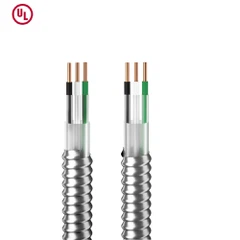
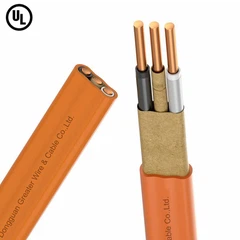
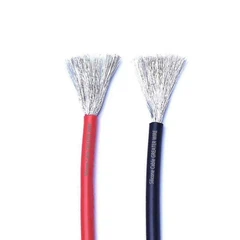
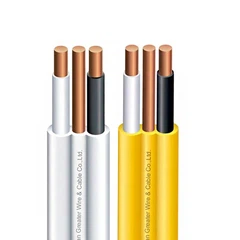

1. Introduction to XHHW Wire
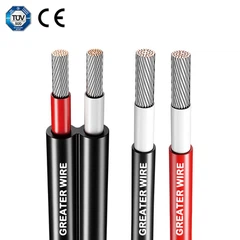
XHHW wire is a versatile, high-performance electrical cable designed for dry and damp locations. Its insulation system ensures resistance to heat, moisture, chemicals, and physical abrasion. The acronym "XHHW" breaks down as follows:
X: Cross-linked polyethylene (XLPE) insulation.
HH: High heat resistance (up to 90°C in wet conditions, 90°C–150°C in dry conditions).
W: Water-resistant jacket.
This combination makes XHHW wire ideal for demanding environments, from industrial machinery to underground conduits. Below, we dive into the insulation materials and their role in specific wire sizes, including 4 AWG XHHW, 2/0 XHHW wire, and 4/0 XHHW-2 copper wire.
2. Insulation Materials in XHHW Wire
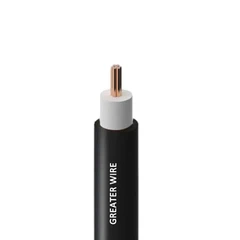
The superior performance of XHHW wire stems from its dual-layer insulation system:
A. Cross-Linked Polyethylene (XLPE)
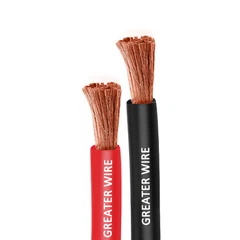
XLPE is the primary insulation layer in XHHW wire. This thermoset material undergoes a chemical or radiation-induced cross-linking process, transforming its molecular structure to enhance:
Thermal Stability: Withstands temperatures up to 150°C (302°F) in dry environments.
Dielectric Strength: Resists electrical breakdown under high voltage.
Chemical Resistance: Protects against oils, acids, and solvents.
Flexibility: Maintains pliability even in cold temperatures.
XLPE's cross-linked structure prevents melting under high heat, making it safer than thermoplastic insulations like PVC.
B. Water-Resistant Jacket
The outer jacket of XHHW wire is typically made of moisture-resistant polyvinyl chloride (PVC) or chlorinated polyethylene (CPE). This layer provides:
Water Resistance: Protects against dampness in wet locations.
Abrasion Resistance: Shields the conductor from physical damage during installation.
Flame Retardancy: Meets UL standards for flame spread resistance.
Together, these layers ensure XHHW wire performs reliably in harsh conditions.

3. XHHW Wire Sizes and Their Applications
XHHW wire is available in various gauges, each suited to specific current-carrying capacities and applications. Below, we analyze popular sizes, including 4 AWG XHHW, 2/0 XHHW wire, and 4/0 XHHW-2 copper wire.
A. 4 AWG XHHW Copper Wire
Conductor: 4 AWG solid or stranded copper.
Insulation: XLPE + PVC jacket.
Voltage Rating: 600V.
Applications:
Service entrance cables.
Feeder circuits for HVAC systems.
Industrial control panels.
The 4 AWG size balances flexibility and ampacity (85–95 amps), making it ideal for medium-load circuits. Its insulation ensures longevity in both dry and damp settings.
B. 2/0 XHHW Wire
Conductor: 2/0 AWG copper (larger diameter for higher current).
Insulation: Thicker XLPE layer to handle 150°C in dry conditions.
Voltage Rating: 600V–2kV.
Applications:
Heavy machinery power supply.
Commercial building feeders.
Solar farm wiring.
The 2/0 XHHW wire's robust insulation supports up to 175 amps, making it a go-to for high-demand environments.
C. 4/0 XHHW-2 Copper Wire
The "-2" suffix denotes compliance with stricter standards (UL 44 and UL 83) for use in wet locations up to 90°C.
Conductor: 4/0 AWG copper (largest in this series).
Insulation: Dual-layer XLPE and CPE jacket for enhanced moisture resistance.
Ampacity: 230–260 amps.
Applications:
Underground conduits.
Wastewater treatment plants.
Substation connections.
This wire's heavy-duty insulation ensures reliability in extreme environments.
D. 4 XHHW Copper Wire
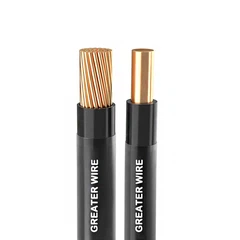
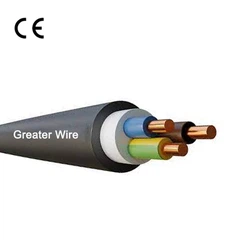
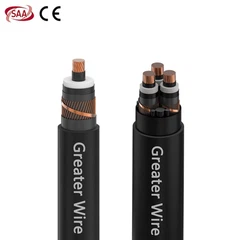
Often confused with 4 AWG, "4 XHHW copper" refers to a 4-conductor cable (e.g., 4/3 XHHW for three-phase systems). Its insulation includes:
Individual XLPE layers on each conductor.
Overall PVC jacket for mechanical protection.
Applications:
Multi-circuit industrial setups.
Data center power distribution.

4. Advantages of XHHW Insulation Over Alternatives
XHHW wire outperforms other insulated cables like THHN/THWN due to:
Higher Temperature Ratings: Safe for use near heat sources.
Longer Lifespan: XLPE resists degradation from UV exposure and chemicals.
Versatility: Approved for direct burial and wet locations.
Safety: Reduced risk of short circuits and fires.
For example, 4/0 XHHW-2 copper wire is preferred over aluminum alternatives in corrosive environments because copper is naturally resistant to oxidation.

5. How to Choose the Right XHHW Wire
Selecting the correct XHHW wire involves evaluating:
Ampacity Requirements: Use NEC tables to match wire size (e.g., 2/0 XHHW wire for 175-amp loads).
Environment: Opt for 4/0 XHHW-2 in wet or underground applications.
Local Codes: Ensure compliance with UL, NEC, and regional standards.

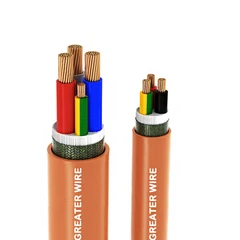
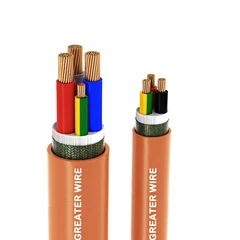
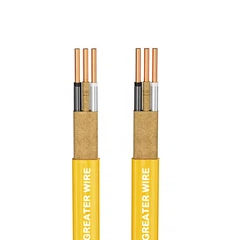
Dongguan Greater Wire & Cable Co., Ltd. has a spacious production workshop and advanced production equipment, and can produce 1.3 million meters of high-quality cables per month. The R&D team conducts in-depth research on US market standards and requirements and continuously improves products. Our THHN WIRE, XHHW, TC-ER CABLE and other products have passed UL83, UL44, UL1277 and other certifications, and have excellent quality. In terms of price, due to large-scale procurement and efficient production, we can provide American customers with products that are 25% lower than the market average price. We are your high-quality partner for long-term cooperation.