

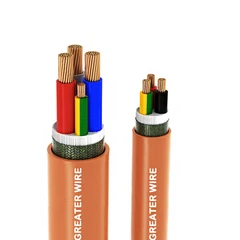
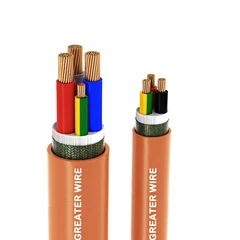

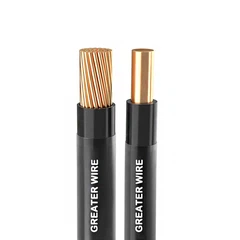
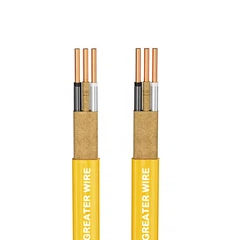
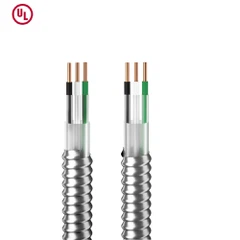
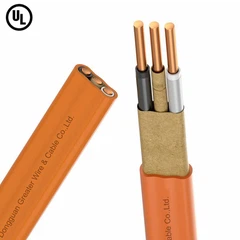
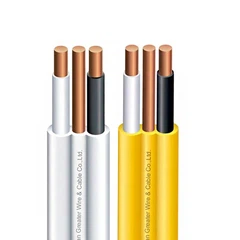
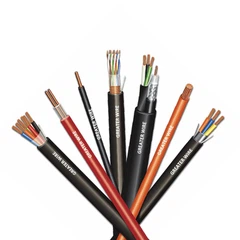
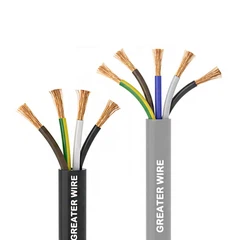
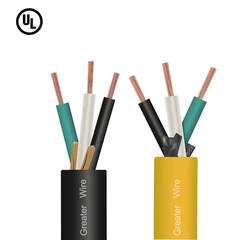
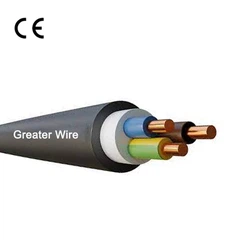
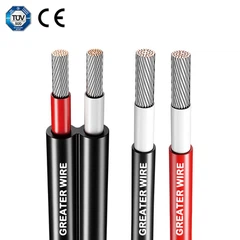

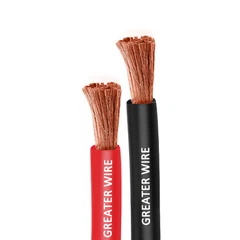
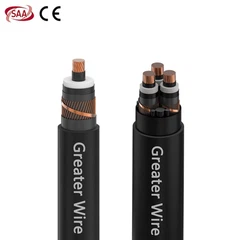
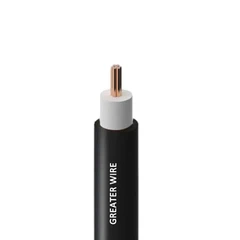
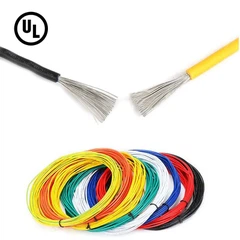
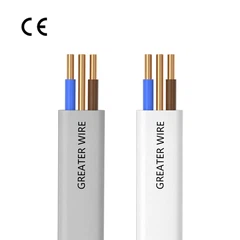
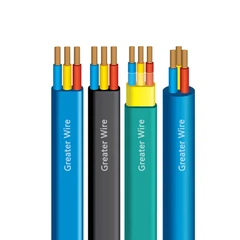
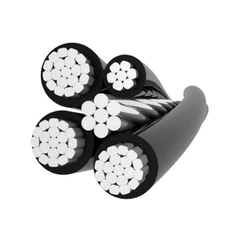
Cables play a vital role in modern power systems, especially in medium voltage power distribution. As a core component of power transmission, medium voltage cables are widely used in many places from substations to industrial facilities, commercial buildings, and residential areas. In Australia, medium voltage cables are widely used in urban and rural power distribution systems. This article will focus on the specifications, application areas and common cable types of medium voltage cables in Australia, especially 11kV copper cables, 5kV medium voltage cables and 35kV medium voltage cables.

1. What is a medium voltage cable?
Medium voltage cables are cables used to transmit and distribute electricity, and are generally suitable for power systems with voltage levels between 1kV and 36kV. These cables are mainly used to transmit electricity from substations to end users, such as industrial facilities, commercial buildings, and residential areas. Depending on the voltage level, medium voltage cables can be divided into low voltage cables (below 1kV), medium voltage cables (1kV-36kV), and high voltage cables (above 36kV). In Australia, the voltage levels of medium voltage cables are generally 5kV, 11kV, and 35kV.
The design and specifications of medium voltage cables usually vary according to the different needs of the usage scenarios. For example, 11kV copper cables are commonly used in medium-sized power distribution systems, while 35kV medium voltage cables are used for larger-scale power transmission and industrial applications.

2. Specifications of medium voltage cables in Australia
1. Medium Voltage Cable Specifications
The specifications of medium voltage cables include conductor materials, insulation layers, shielding layers, and outer sheaths. Specific specifications are designed based on factors such as voltage level, application environment, mechanical protection and chemical resistance. Here are some typical specifications of medium voltage cables:
Conductor material: The conductor material of medium voltage cables is usually copper or aluminum. Copper has better conductivity and higher strength, so 11kV copper cables are more common than aluminum cables under certain high-load conditions. The advantages of copper cables are stable electrical performance and strong oxidation resistance, so they are more suitable for power systems that require long-term stable operation.
Insulation material: The insulation layer of medium voltage cables is usually cross-linked polyethylene (XLPE) or paper-wrapped oil insulation. XLPE insulation material has good electrical insulation performance and heat resistance, which can effectively prevent electrical breakdown inside the cable.
Shielding layer: In order to reduce external electromagnetic interference and ensure the safety of power transmission, medium voltage cables are usually equipped with a shielding layer. The shielding layer is generally composed of copper or aluminum foil, which can effectively prevent electric field interference and increase the compressive strength of the cable.
Outer sheath: The outer sheath protects the cable from mechanical damage and environmental factors. Common outer sheath materials include polyvinyl chloride (PVC) and polyethylene (PE). In harsh environments, UV-resistant and corrosion-resistant sheath materials may also be required.
2. 11kV Copper Cable
11kV copper cable is one of the most common medium-voltage cables in Australia's power distribution system and is suitable for various medium-voltage power transmission and distribution networks. Due to the high conductivity and oxidation resistance of copper, 11kV copper cable can provide stable power transmission in most power systems.
In urban and industrial power distribution in Australia, 11kV copper cables are often used for power transmission from substations to various load centers. These cables are usually laid underground or above ground and can effectively withstand various environmental conditions, including moisture, chemicals and mechanical pressure.
3. 5kV Medium Voltage Cable
5kV medium voltage cables are mainly used for smaller-scale power distribution systems. They are usually used for power transmission in low-density residential areas, commercial areas and some small industrial areas in cities. Due to the lower voltage, these cables are more suitable for applications that do not require high power transmission.
Compared with medium-voltage cables of higher voltage levels, 5kV medium-voltage cables have relatively low requirements for conductor materials and insulation layers when used. Usually, this type of cable uses copper or aluminum as the conductor, XLPE as the insulation material, and copper foil or aluminum foil as the shielding layer.
4. 35kV MV Cable
35kV medium-voltage cables are usually used in large industrial projects, urban power grids, and some high-voltage power transmission systems. 35kV cables can transmit large amounts of power over long distances and are suitable for power distribution networks with high loads and high power requirements.
The design requirements for this type of cable are high, and usually high-quality conductor materials, cross-linked polyethylene (XLPE) insulation layers, and multi-layer shielding protection are used to ensure stable power transmission and electrical safety. The use environment of 35kV cables is usually underground cable trenches, industrial areas, and inside power stations.

3. Application areas of medium-voltage cables in Australia
Australia's power distribution system covers all aspects from power production to user terminals. Medium voltage cables are the core part connecting substations and distribution equipment. They play an important role in the following major application areas:
1. Urban power distribution system
In urban power distribution systems, medium voltage cables are mainly used for power transmission from substations to various buildings, factories and other end users. In particular, 5kV medium voltage cables and 11kV copper cables are widely used in urban power networks. They are usually laid underground to ensure stable power transmission while avoiding possible damage caused by exposure to the outside environment.
2. Industrial power system
For large industrial facilities, 35kV medium voltage cables are a key component of power distribution. These cables are used to transmit high-voltage power to various production areas in the factory to ensure the normal operation of production lines and equipment. Due to the large load in industrial environments, the use of 35kV medium voltage cables can meet the needs of high power and high load.
3. Power transmission system
Medium voltage cables are not only used for local power distribution, 11kV copper cables and 35kV medium voltage cables are also widely used in power transmission systems to transmit power from power plants to major power stations. During power transmission, cables with higher voltage levels can ensure the stability and safety of long-distance transmission.
4. Renewable energy systems
With the rise of renewable energy, more and more medium-voltage cables in Australia are used in power distribution systems for renewable energy such as solar and wind power. These systems need to transmit the power obtained from solar panels or wind turbines to the power grid or end users through medium-voltage cables. 5kV medium-voltage cables and 11kV copper cables perform well in this application.
